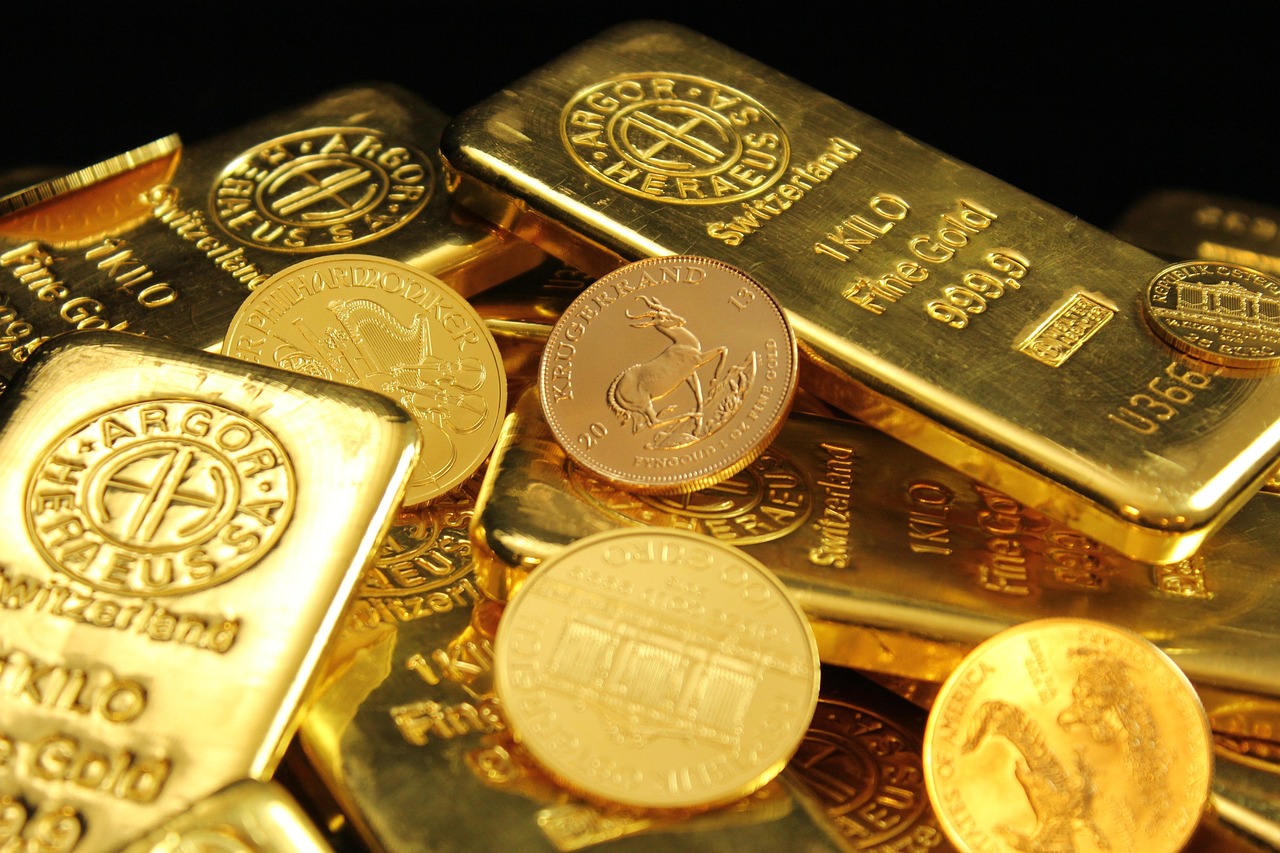
Gold has exploded roughly 13% in August 2026, putting the precious metal on course for its strongest monthly performance since September 1999 as investors pile back into hard assets amid a weaker dollar, U.S. debt anxiety and volatile Treasury yields. Spot gold surged above $4,600 an ounce on August 21, transforming what began as a rebound from June’s brutal selloff into one of the most powerful gold rallies in nearly 27 years.
For investors, the message is bigger than another safe-haven rally. Gold is increasingly trading at the intersection of Federal Reserve policy, U.S. fiscal credibility, currency risk and Treasury-market stress — and that combination could determine whether the latest gold price forecast points back toward January’s record highs or toward another violent reversal.
Gold Price Forecast Changes After a Stunning August Rally
Seeking Alpha reported gold up 13.7% month-to-date, at roughly $4,597, putting August on pace to become its best month since September 1999. The Financial Times similarly calculated a gain of more than 13% during August, while Reuters reported spot gold hitting a more than three-month high near $4,604 on August 21.
The exact percentage varies slightly with the pricing benchmark and observation time, but the direction is unmistakable: gold has staged an extraordinary comeback.
That matters because the metal entered August from a dramatically weaker position. The World Gold Council said gold ended July near $4,027 an ounce, essentially unchanged for that month and down about 8% for 2026 at the time. Its mid-year outlook noted that bullion had surged above $5,500 in January before collapsing below $4,000 in late June.
Related articles




August has therefore erased a large portion of that damage in a matter of weeks.
Gold Breaks Through a Crucial Technical Barrier
The speed of the rebound has also changed the technical picture.
Reuters reported that gold broke above its closely watched 200-day moving average, helping fuel renewed speculative demand. The move above that long-term trend indicator matters because systematic traders and momentum-oriented funds often treat a sustained break above the 200-day line as evidence that market direction is improving.
That creates the possibility of a self-reinforcing trade: stronger prices attract momentum buyers, which produce stronger prices and potentially draw additional capital from investors who missed the first leg of the rebound.
But technical momentum cuts both ways.
A rally of more than 13% in less than a month leaves gold vulnerable if yields suddenly rise, the dollar rebounds or speculative positions become crowded. Investors should not assume that the size of August’s gain guarantees another similar move in September.
Why Gold Is Suddenly Surging
Several forces are hitting the market simultaneously, but the U.S. Treasury market may be the most important new catalyst.
Treasury has been confronting heavy financing needs as investors demand higher yields to absorb America’s growing debt load. On August 3, the department said it expected $739 billion of privately held net marketable borrowing during the July-September quarter, $68 billion more than its May estimate.
Those borrowing requirements matter for gold because concerns over government debt can influence both long-term interest rates and confidence in the dollar.
Reuters reported this week that Treasury doubled the size of certain long-end bond buybacks to at least $4 billion per operation following a selloff that had pushed long-maturity Treasury yields to levels not seen since 2007. The intervention initially helped yields, but investors continued questioning inflation, deficits and debt sustainability.
That market reaction has produced an unusual outcome: Treasury actions intended to calm bonds have simultaneously helped ignite demand for alternative stores of value.
The Dollar Has Become Gold’s Secret Weapon
Gold typically benefits when the U.S. dollar weakens because bullion is denominated in dollars globally.
The Financial Times reported that the dollar fell around 1% following Treasury’s latest actions, while gold surged. Reuters likewise identified dollar weakness as one of the central drivers behind Friday’s breakout.
The relationship is particularly important for international investors. A weaker dollar effectively reduces the local-currency cost of buying gold outside the United States, which can support demand.
More importantly, investors appear increasingly concerned about currency debasement and fiscal risk, rather than treating gold purely as an inflation hedge.
That shift could be critical to the gold price forecast.
If markets begin viewing large deficits, expanding Treasury issuance and interventions in the bond market as a structural rather than temporary issue, demand for assets outside the traditional dollar-based financial system could remain elevated.
Fed Interest Rates Add Another Bullish Ingredient
Federal Reserve policy is creating another layer of uncertainty.
The Fed held the federal funds target range at 3.5% to 3.75% on July 29, saying economic activity remained solid but inflation was still above its 2% objective. Significantly, three policymakers dissented because they favored a 25-basis-point rate increase.
That is hardly an obvious recipe for soaring gold prices. Higher interest rates normally hurt bullion because investors can earn income from bonds and cash while gold itself pays no yield.
Yet the market is increasingly wrestling with competing forces.
Weak economic data can reduce expectations for additional Fed tightening, while persistent inflation and fiscal concerns can simultaneously strengthen gold’s appeal as a hedge. The result is a market where investors are watching real yields, rather than just the headline Fed funds rate.
Reuters reported earlier this week that weaker U.S. retail sales pushed investors to reduce expectations for a near-term rate hike while the dollar weakened, helping gold advance.
For bulls, the ideal scenario is falling real yields plus a softer dollar.
For bears, a renewed inflation shock that forces the Fed into aggressive tightening could reverse that setup quickly.
Gold’s Safe-Haven Status Is Making a Comeback
Another reason August’s rally is significant is that gold’s traditional safe-haven reputation suffered earlier this year.
During extreme market stress surrounding the Middle East conflict, investors sold gold aggressively as liquidity needs overwhelmed the conventional flight-to-safety trade. Gold eventually dropped from January’s record above $5,500 to below $4,000 by late June.
Reuters reported on August 17 that gold was showing signs of reclaiming that safe-haven role as institutional investors potentially rebuilt positions and lower oil prices eased some inflation concerns.
That change in behavior matters.
If gold can again rise during periods of financial uncertainty rather than being liquidated to raise cash, institutional demand could become more durable.
The World Gold Council has also highlighted ETF inflows as a supportive factor. In July, European-listed gold funds helped offset pressures from elevated real interest rates, suggesting that investor demand was already strengthening before August’s breakout accelerated.
Gold ETFs and Mining Stocks Could Become the Next Trade
Investors do not need to own physical bullion to participate in the gold move.
Gold-backed ETFs provide direct exposure to bullion prices, while gold miners offer operational leverage: when gold prices increase faster than production costs, miners‘ profit margins can potentially expand significantly.
That leverage also creates more risk.
Mining companies face fuel, labor, geopolitical, permitting and capital-expenditure costs that physical gold does not. A miner can underperform even while bullion rises if its production disappoints or expenses surge.
For portfolio managers, this makes the distinction important. A gold ETF is primarily a bet on the metal; a mining stock is a bet on gold plus management execution and operating economics.
After such a rapid August advance, investors chasing miners may therefore need to pay close attention to valuations rather than assuming every gold-related security will rise equally.
Could Gold Return to $5,000?
The psychologically important $5,000 level has suddenly moved back into view.
Gold remains below the record highs reached in January, so a return to $5,000 would not require an unprecedented new valuation. But it would confirm that the June collapse was a correction inside a longer-term bull market rather than the beginning of a sustained downturn.
Some Wall Street forecasts are already leaning bullish.
The Wall Street Journal reported that Morgan Stanley sees gold potentially exceeding $5,000 by 2027, citing improving macro conditions, central-bank demand and fiscal risks. Separately, recent market reporting has highlighted continued institutional interest in options designed to benefit from higher gold prices.
Those projections remain forecasts, not guarantees.
The World Gold Council’s mid-year analysis was more restrained, arguing that under a backdrop of moderate growth, elevated inflation and limited further monetary tightening, gold could remain broadly rangebound unless the macro environment changed materially.
August may be evidence that the environment is changing — but investors still need confirmation.
The Biggest Risks to the Gold Rally
The most immediate threat is a sudden dollar rebound.
If U.S. economic data strengthen unexpectedly and markets price in additional Fed tightening, Treasury yields could climb and the dollar could regain ground. That combination would increase gold’s opportunity cost and pressure international demand.
Positioning is another risk.
After a double-digit monthly rally and a breakout through major technical resistance, speculative interest is likely substantially stronger than it was near the June lows. Momentum can push prices far beyond fundamental estimates, but crowded trades can reverse extremely quickly when catalysts fade.
Physical demand also deserves attention.
Reuters reported that elevated prices were already discouraging some retail buying in India, while Chinese demand appeared steadier. If investment demand cools while jewelry and retail buyers resist higher prices, one important source of support could disappear.
Outlook: What Investors Should Watch Next
The gold price forecast now hinges on four forces: the dollar, Treasury yields, Fed policy and institutional flows.
A sustained hold above the 200-day moving average would strengthen the technical case that the June low marked a major turning point. Continued ETF inflows, renewed central-bank demand and further dollar weakness could then put $5,000 back on investors‘ screens surprisingly quickly.
But upcoming U.S. inflation data and the Fed’s September 15-16 meeting could radically change the equation. The Federal Reserve has already made clear that inflation remains above target, meaning markets cannot safely assume monetary policy will automatically turn dovish.
For now, gold has transformed from one of 2026’s most painful reversals into one of its hottest momentum trades.
The question is no longer whether the rebound is real. It is whether August’s historic surge is the end of the comeback — or the opening shot in gold’s next run at record highs.