
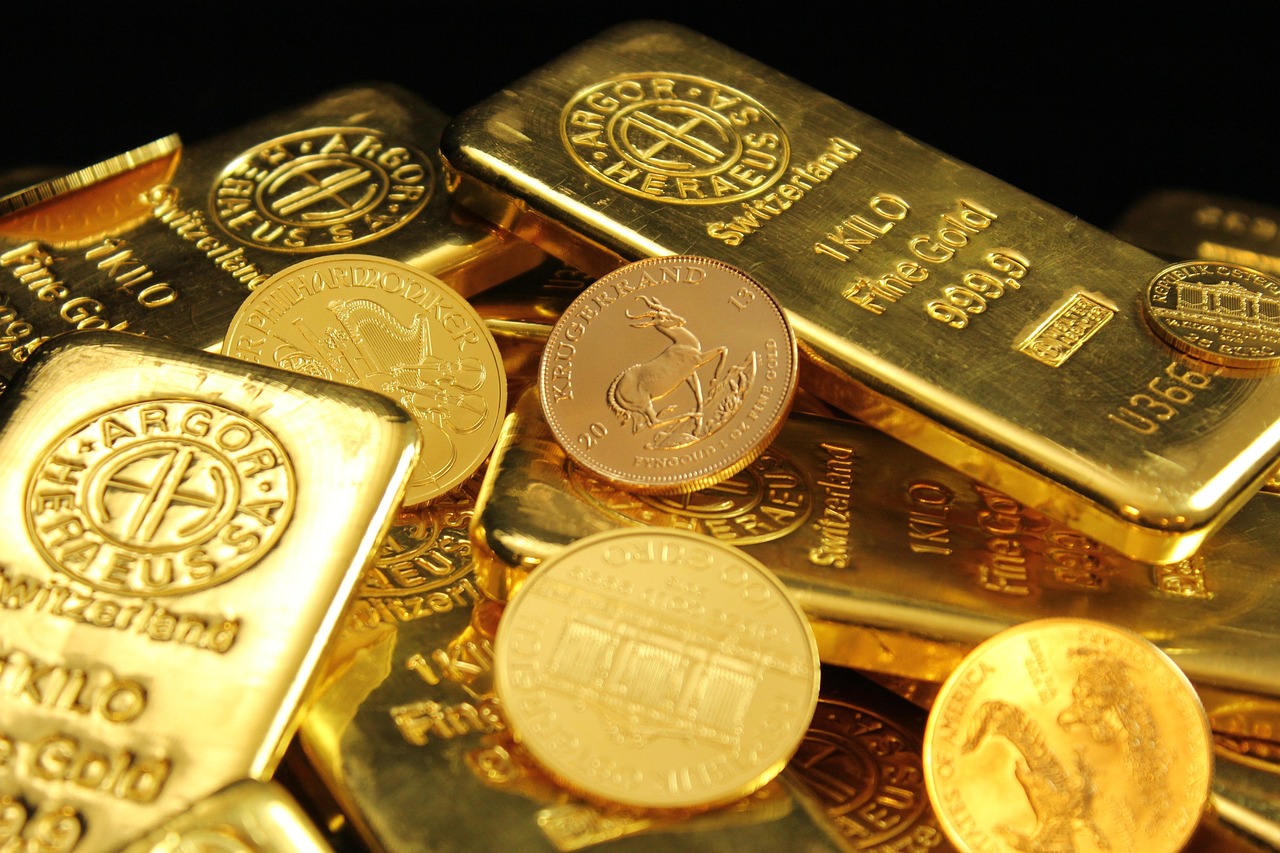
Gold has fallen back below the psychologically important $4,000-per-ounce level, extending a sharp retreat from the record highs reached earlier in 2026.
Spot gold dropped about 3% on July 13 and traded near $3,997 per ounce, its lowest level since the beginning of the month. The decline came as escalating Middle East tensions pushed oil prices higher, increasing inflation concerns and strengthening expectations that the Federal Reserve could maintain restrictive monetary policy or raise interest rates again.
The move may appear counterintuitive because geopolitical instability normally supports safe-haven assets such as gold. This time, however, investors are focusing on the possibility that higher energy prices will keep inflation elevated. Higher interest rates can make interest-bearing assets more attractive relative to gold, which does not pay income.
Forecasts for the end of 2026 remain widely dispersed. Some financial institutions expect bullion to recover toward $4,600 to $5,000, while more cautious projections suggest the correction could extend toward $3,500 or $3,800.
Why Gold Fell Below $4,000
The immediate pressure on gold came from a combination of rising oil prices, a stronger U.S. dollar and changing Federal Reserve expectations.
Related articles





Renewed conflict involving the United States and Iran raised fears of disruptions to energy supplies through the Strait of Hormuz. Oil prices increased approximately 5% during the latest escalation, intensifying concerns that higher transportation and production costs could feed into consumer inflation.
Gold is often described as an inflation hedge, but its short-term relationship with inflation is more complicated. When inflation increases the likelihood of tighter monetary policy, Treasury yields and the dollar may rise. Both developments can pressure bullion because gold becomes more expensive for buyers using other currencies and less attractive compared with assets that generate interest.
Markets were assigning a 75% probability to a Federal Reserve interest-rate increase in September following the latest oil-price surge, according to the CME FedWatch data cited by Reuters.
Upcoming inflation reports, retail sales and Federal Reserve commentary could therefore have a greater immediate influence on gold than geopolitical headlines alone.
Major Banks Still Expect a Year-End Recovery
Although several banks have reduced their gold forecasts, many remain constructive over the remainder of the year.
HSBC lowered its average 2026 gold-price forecast to $4,560 per ounce from $4,864, reflecting a more hawkish Federal Reserve and a stronger dollar. The bank expects gold to trade within a broad range of $3,800 to $4,700 during 2026 and finish the year near $4,750.
Goldman Sachs has also become more cautious. The bank reduced its December forecast to $4,900 from $5,400, while maintaining the view that gold’s medium-term fundamentals remain supportive. Goldman described the near-term outlook as vulnerable but retained a constructive longer-term position.
ING expects gold to average approximately $4,300 during the third quarter and $4,600 in the fourth quarter. Those figures were reduced from earlier estimates of $4,850 and $5,000, respectively.
Bank of America lowered its average 2026 forecast to about $4,360 but indicated that gold could eventually recover toward $5,000 after the monetary-tightening cycle ends.
Taken together, these projections suggest that several major institutions see the current decline as a significant correction rather than the end of gold’s longer-term uptrend. However, the range of outcomes remains unusually wide.
Central-Bank Buying Could Create Long-Term Support
Central-bank purchases remain one of the strongest structural arguments for gold.
Global central banks bought an estimated 244 metric tons of gold during the first quarter of 2026, an increase of 3% from the previous year and above the five-year quarterly average.
The World Gold Council’s latest reserve survey also found that 89% of responding central banks expect worldwide official-sector gold reserves to increase over the next 12 months. A record 45% said they expect their own institutions to add to their holdings.
Central banks purchase gold for several reasons, including diversification away from traditional reserve currencies, protection against geopolitical sanctions and concerns about sovereign debt.
These purchases can create a relatively stable source of demand because reserve managers generally make long-term allocation decisions rather than trading in response to short-term price movements.
Central-bank demand does not guarantee that prices will rise every quarter. However, continued accumulation may limit the depth of major corrections and provide support when investment demand from ETFs or futures traders weakens.
ETF Flows and the Dollar Will Be Critical
Gold-backed exchange-traded funds offer investors exposure to bullion without requiring physical storage. ETF inflows can provide significant incremental demand, while outflows can place pressure on prices.
Gold ETFs recorded net inflows of approximately 62 metric tons during the first quarter, although that was substantially below the unusually strong inflows recorded in the comparable period of 2025.
HSBC believes the ETF outflows seen earlier in 2026 may moderate during the second half. Renewed inflows would support a recovery, particularly if investors become more concerned about economic growth, government debt or geopolitical instability.
The U.S. dollar may be equally important. Because gold is globally priced in dollars, a stronger currency typically makes the metal more expensive for international buyers.
A sustained dollar rally driven by higher U.S. interest rates would create a difficult environment for bullion. A weaker dollar caused by slower growth or a more accommodative Federal Reserve could help gold recover toward the upper end of current forecasts.
Could Gold Fall Toward $3,500?
The bearish scenario cannot be dismissed.
Analysts cited following the latest selloff warned that continued increases in oil prices and interest-rate expectations could push gold toward $3,800 or potentially $3,500.
Capital Economics previously forecast an end-2026 price of $3,500, arguing that the rapid increase in bullion had become difficult to justify and that the market was vulnerable to a substantial correction.
A decline toward that level would become more plausible if inflation remains elevated, the Federal Reserve raises rates, the dollar strengthens and investors continue withdrawing capital from gold ETFs.
Improving geopolitical conditions could also reduce safe-haven demand. If energy markets stabilize and equity markets remain resilient, investors may prefer income-producing assets over precious metals.
Physical demand could weaken as well. High prices have already placed pressure on jewellery volumes, which fell 23% year over year during the first quarter.
What Could Push Gold Back Toward $5,000?
The bullish scenario depends on a reversal in monetary-policy expectations and continued demand from central banks and institutional investors.
A meaningful economic slowdown could cause the Federal Reserve to abandon rate increases and eventually consider easier monetary policy. Lower real yields—the return on bonds after accounting for inflation—would improve gold’s relative attractiveness.
An escalation in geopolitical conflict could also support bullion, particularly when it increases concerns about financial stability rather than only energy-driven inflation.
Citi has maintained a six-to-12-month gold target of $5,000, while earlier forecasts from JPMorgan and Metals Focus also anticipated prices around or above that threshold during the later part of 2026.
Persistent concerns about fiscal deficits, government debt and reserve diversification would provide additional support. Gold often benefits when investors question the long-term purchasing power of major currencies or the sustainability of sovereign borrowing.
Where Could Gold End 2026?
Based on the latest institutional forecasts, a year-end range of approximately $4,500 to $4,900 appears to represent the central scenario among several major banks.
That would imply a recovery from the latest sub-$4,000 level but would still leave gold below the most optimistic targets published before the Federal Reserve adopted a more hawkish position.
The outcome will depend heavily on interest rates. If inflation remains persistent and the Fed raises borrowing costs, gold could remain near $3,800 to $4,200. If inflation eases, economic growth slows or policymakers become less restrictive, bullion could recover toward $4,700 to $5,000.
Investors should therefore treat any single price target as a scenario rather than a certainty. Gold’s recent volatility shows how quickly monetary-policy expectations can outweigh even traditionally supportive geopolitical developments.
FAQ
Why has gold fallen below $4,000 per ounce?
Gold declined as rising oil prices increased inflation concerns and strengthened expectations of higher U.S. interest rates. A firmer dollar also reduced demand for the metal.
What is the 2026 year-end gold price forecast?
Major forecasts vary. HSBC expects approximately $4,750, Goldman Sachs projects around $4,900 and ING expects fourth-quarter prices to average approximately $4,600.
Could gold fall to $3,500?
Yes. A continued rise in interest rates, a stronger dollar and weaker investment demand could push gold toward $3,500, although that is below the central forecasts of several major banks.
What could push gold back above $5,000?
Lower interest rates, a weaker dollar, central-bank purchases, ETF inflows, escalating geopolitical risks and concerns about government debt could support a move toward $5,000.
Is gold still considered a safe-haven investment?
Gold continues to serve as a safe-haven and diversification asset, but it can decline during geopolitical crises when those events increase inflation and interest-rate expectations.
Disclaimer: This article is for informational purposes only and does not constitute financial advice. Always conduct your own research before making any investment decisions.