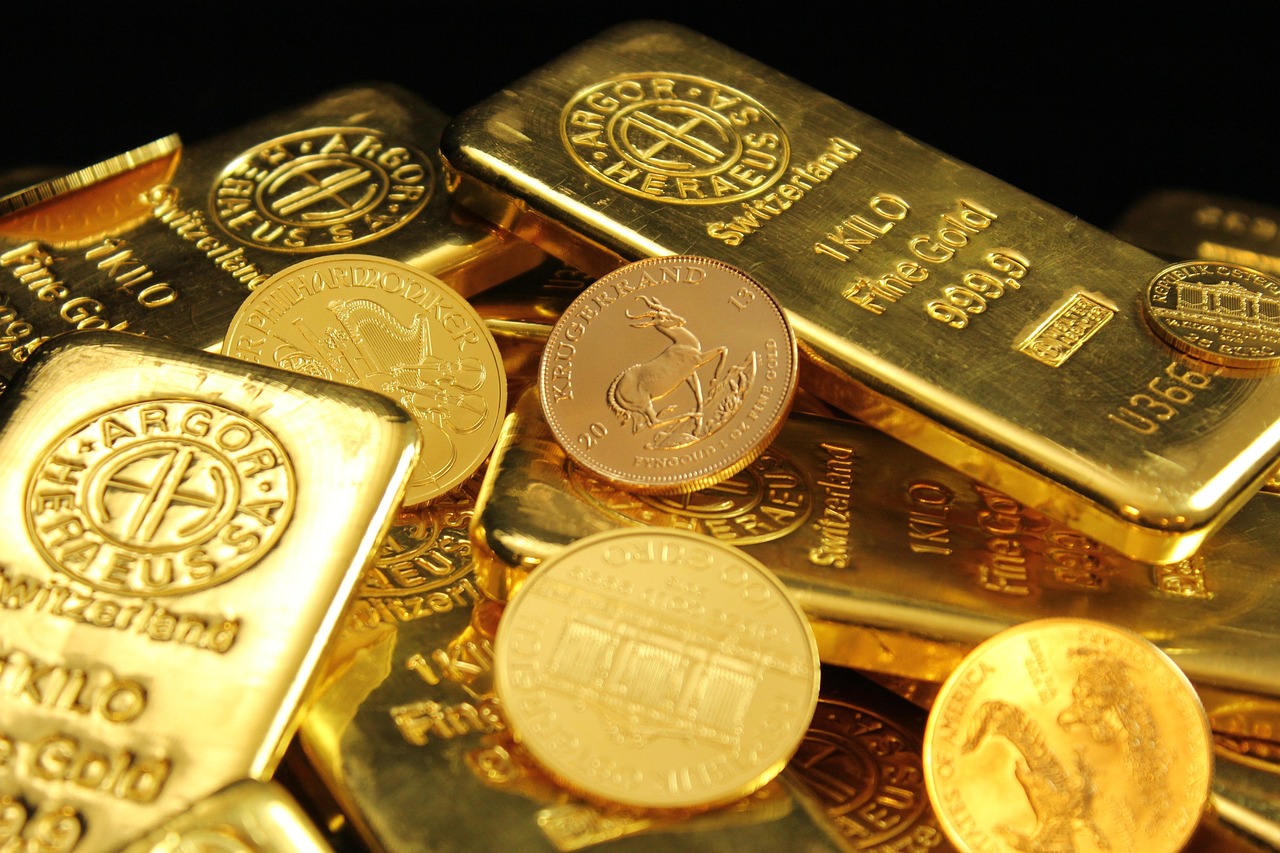
Gold prices steadied on Tuesday after a sharp slide that pulled bullion well below the record highs reached in late January, as investors reassessed the balance between geopolitical risk, inflation worries and the outlook for U.S. interest rates. Spot gold was trading around $4,408.77 an ounce on March 24, while futures were near $4,409.30, after the market fell to a four-month low in the previous session.
From Safe-Haven Surge to Sharp Correction
The latest pullback marks a striking reversal for a market that had looked nearly unstoppable only weeks ago. On January 26, spot gold climbed to an all-time high of $5,110.50 an ounce, while U.S. gold futures settled at $5,082.50, driven by a wave of safe-haven demand amid geopolitical tensions and strong investor appetite for defensive assets. At that stage, the market was also supported by expectations that looser U.S. monetary policy later in the year would reinforce demand for non-yielding bullion.
That momentum has since faded. By March 24, gold had fallen roughly 13.7% from the January record to around $4,408.77. Reuters also reported that bullion hit a low near $4,097.99 in the prior session, underscoring the scale of the correction. The recent move shows how quickly sentiment can shift when traders move from buying gold as a haven to selling it in response to rising yields, dollar strength and tighter financial conditions.
Why Gold Is Falling Despite Geopolitical Tension
At first glance, the retreat may appear counterintuitive. Gold usually benefits from geopolitical stress, and the conflict backdrop that initially fueled the rally has not disappeared. But markets are increasingly focusing on the inflationary consequences of Middle East disruption, especially the risk that higher oil and gas prices could keep inflation elevated and make central banks more cautious about cutting rates. Reuters reported that this shift in focus has limited gold’s ability to rally on safe-haven demand alone.
A stronger U.S. dollar has added further pressure. Because gold is priced in dollars, a firmer greenback makes the metal more expensive for holders of other currencies, often dampening international demand. At the same time, the prospect of higher-for-longer rates reduces the appeal of bullion, which does not pay interest. This combination has become the dominant short-term driver, outweighing the geopolitical premium that pushed prices above $5,100 in January.
Related articles





Volatility Replaces the One-Way Rally
The market is no longer moving in a straight line. Recent trading was highly volatile, with bullion caught between haven buying on one side and liquidation pressure on the other. Since the conflict escalation on February 28, gold has been pulled lower even as risk sentiment remained fragile, a sign that macroeconomic and positioning factors are now playing a larger role than simple crisis hedging.
That volatility has also spilled into investor flows. That gold-backed exchange-traded funds saw notable outflows in recent weeks, particularly from U.S. investors, suggesting that some market participants are locking in gains or reducing exposure as price swings intensify. For traders, this makes gold less of a passive refuge and more of an actively managed macro trade tied to the dollar, inflation expectations and central-bank policy.
Structural Support Still Remains
Even after the recent correction, the broader case has not disappeared. Earlier in the rally, Reuters highlighted continued support from central-bank buying and reserve diversification, with institutions seeking alternatives to dollar-heavy reserve portfolios. That longer-term demand base helped underpin gold’s move to fresh highs and may continue to provide support during periods of weakness.
The strength of gold prices has also had tangible effects beyond the trading floor. On March 24, the Bank of France said it booked a one-off capital gain of 12.8 billion euros from upgrading part of its gold reserves during a period of high market prices. While the transaction did not increase the country’s total holdings, it illustrated just how far bullion valuations had risen before the latest retreat.
What Investors Should Watch Next
The next direction for gold will likely depend on whether inflation concerns keep delaying expectations for U.S. rate cuts, and whether the dollar remains strong. If incoming data softens and markets revive bets on monetary easing later in 2026, bullion could regain some of its footing. But if energy-driven inflation persists and U.S. yields stay elevated, gold may remain vulnerable to further selling pressure in the near term.
For now, the gold market is sending a clear message: even the world’s most established safe-haven asset is not immune when inflation fears, rate expectations and dollar strength begin to dominate. Prices remain historically elevated, but the easy upward march that defined the start of 2026 has given way to a more fragile and far more volatile phase.
Conclusion
Gold is still trading at historically high levels, but the market tone has changed decisively. The rally that carried bullion to record highs above $5,100 an ounce has given way to a correction shaped by a stronger dollar, fading hopes for imminent Fed easing and renewed inflation concerns. In the short term, gold is behaving less like a simple haven and more like a macro asset exposed to shifting expectations on rates and growth.
FAQ
Why are prices falling in March 2026?
Gold has come under pressure from a stronger U.S. dollar and reduced expectations for near-term Federal Reserve rate cuts, even as geopolitical tensions remain elevated.
What was the 2026 record high?
Spot gold hit a record $5,110.50 an ounce on January 26, 2026.
What is the latest price level?
On March 24, 2026, spot gold was around $4,408.77 an ounce and U.S. futures were near $4,409.30.
Is the long-term outlook still positive?
The longer-term case still has support from central-bank demand, reserve diversification and persistent macro uncertainty, although short-term volatility remains high.
Disclaimer
This article is for informational purposes only and does not constitute investment advice, financial promotion or a recommendation to buy or sell any asset. Commodity markets are volatile, and past price moves are not a reliable indicator of future performance.