Why gold has been valued for thousands of years and how you can invest wisely in the world’s most trusted asset.
The Enduring Allure of Gold
Gold has fascinated humanity for millennia.
From the ancient Egyptians who mined it, to the Romans who minted gold coins, to modern investors who see it as a store of wealth — gold has always stood for value, beauty, and security.
But what makes gold so special?
Why is it considered a “safe haven” for investors?
And how can you profit from it in today’s financial world?
This guide explains everything you need to know — from gold’s origins and history to its modern investment options.
What Is Gold? – More Than Just a Shiny Metal
Gold is a precious metal that rarely occurs in pure form in nature.
It’s usually found as an alloy with other metals and is known for its density, resistance, and durability.
Unlike most materials, gold doesn’t corrode, tarnish, or react with air or moisture — making it virtually indestructible.
Related articles



Because of these unique properties, gold is prized not only for jewelry but also for industrial uses.
It’s highly malleable and an excellent conductor of electricity and heat, which makes it essential for electronics, aerospace, and even dentistry.
Still, around 75% of all mined gold is used in jewelry, which remains its largest market.
Gold as an Investment – A Safe Haven in Uncertain Times
Gold has long been viewed as a safe and stable investment.
Its value comes from its scarcity, durability, and independence from currencies or politics.
When inflation rises or markets panic, many investors turn to gold to protect their wealth.
Even central banks hold vast gold reserves to strengthen their currencies and hedge against crises.
While the world has moved beyond the gold standard, gold still plays a vital role in maintaining financial confidence.
Private investors have several ways to buy gold:
- Physical gold – gold bars or coins
- Gold ETFs – exchange-traded funds tracking the gold price
- Certificates or derivatives – for price exposure without owning the metal
Where Does Gold Come From?
Gold is mined on nearly every continent — except Antarctica, where mining is banned.
The largest producers today are China, Australia, Russia, and the United States.
Unlike oil or other commodities, gold doesn’t get “used up.”
It circulates indefinitely — as jewelry, bullion, or industrial material.
Globally, gold reserves are at record highs.
The United States holds the most (about 8,100 tonnes), followed by Germany, the IMF, and France.
These reserves act as a financial safety net in times of global uncertainty.
A Brief History of Gold
Gold has shaped economies and cultures for thousands of years.
As early as 2000 BC, ancient Egyptians mined and refined it.
By 50 BC, the Romans were minting the first official gold coins, turning it into a cornerstone of commerce.
Across civilizations, gold symbolized wealth, power, and divinity.
It adorned temples, crowns, and art — a universal sign of prestige.
In the 20th century, gold became the backbone of the global monetary system under the Gold Standard, ensuring that paper money could always be exchanged for gold.
Although that system ended in the 1970s, gold remains one of the strongest tools to hedge against inflation and currency devaluation.
How Is the Gold Price Determined?
The gold price — or spot price — reflects its current market value and is set multiple times daily across global trading hubs such as London, New York, Zurich, and Hong Kong.
It’s influenced by supply and demand, US dollar strength, geopolitics, and production levels.
When market uncertainty rises or the dollar weakens, gold prices often climb.
Gold is priced in US dollars per troy ounce (31.1 grams).
As of June 2025, gold traded around $3,385 per ounce, continuing its long-term upward trend.
How to Invest in Gold
Investors can choose from several options depending on their goals:
🪙 Physical Gold
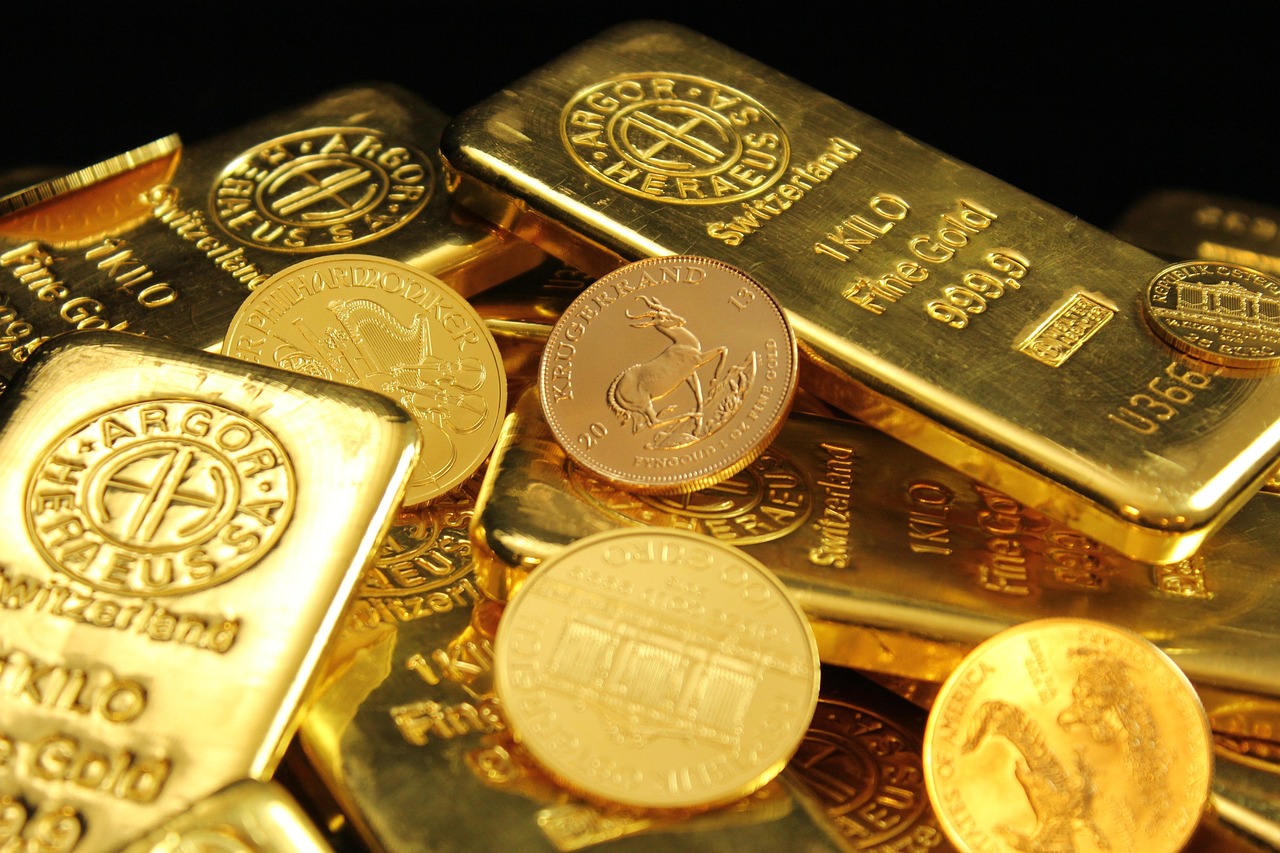
Gold bars and coins such as the Krugerrand, Maple Leaf, or Vienna Philharmonic are the classic choice.
Buy from banks or reputable dealers and store them securely — ideally in a bank vault or professional depository.
💰 Gold ETFs and Funds
These track the gold price without you owning the metal.
They trade like stocks, offering high liquidity and low costs — perfect for convenient portfolio diversification.
📈 Gold Certificates and Derivatives
These are speculative instruments linked to gold’s performance, often with leverage.
They carry higher risk and are not ideal for beginners.
🧾 Xetra-Gold
A unique hybrid: a security backed by physical gold holdings, tradable on the stock exchange — combining the advantages of tangible gold with market flexibility.
💡 Tip: Always consider costs such as premiums, storage fees, or fund charges.
Investment-grade gold (bars and coins) is VAT-exempt in most countries.
Why Invest in Gold?
Gold offers distinct advantages that make it a staple of long-term investing:
- Crisis protection: Retains value even during financial or political turmoil.
- Inflation hedge: Gold often rises when the purchasing power of money falls.
- Diversification: Moves independently of stocks and bonds, reducing portfolio risk.
- Durability: Gold can’t be printed or destroyed — its value endures.
However, gold doesn’t generate income (like dividends or interest) and can be volatile in the short term.
Final Thoughts – Gold: A Classic with a Future
Gold is far more than a beautiful metal — it’s a proven store of value that bridges tradition and modern finance.
Whether as physical bullion, jewelry, or financial instruments, gold remains one of the most trusted assets in the world.
For beginners, gold is best viewed as part of a balanced portfolio, offering stability and protection in uncertain times.
With a solid plan, awareness of costs, and a basic understanding of market dynamics, you can confidently enter the timeless world of gold investing.