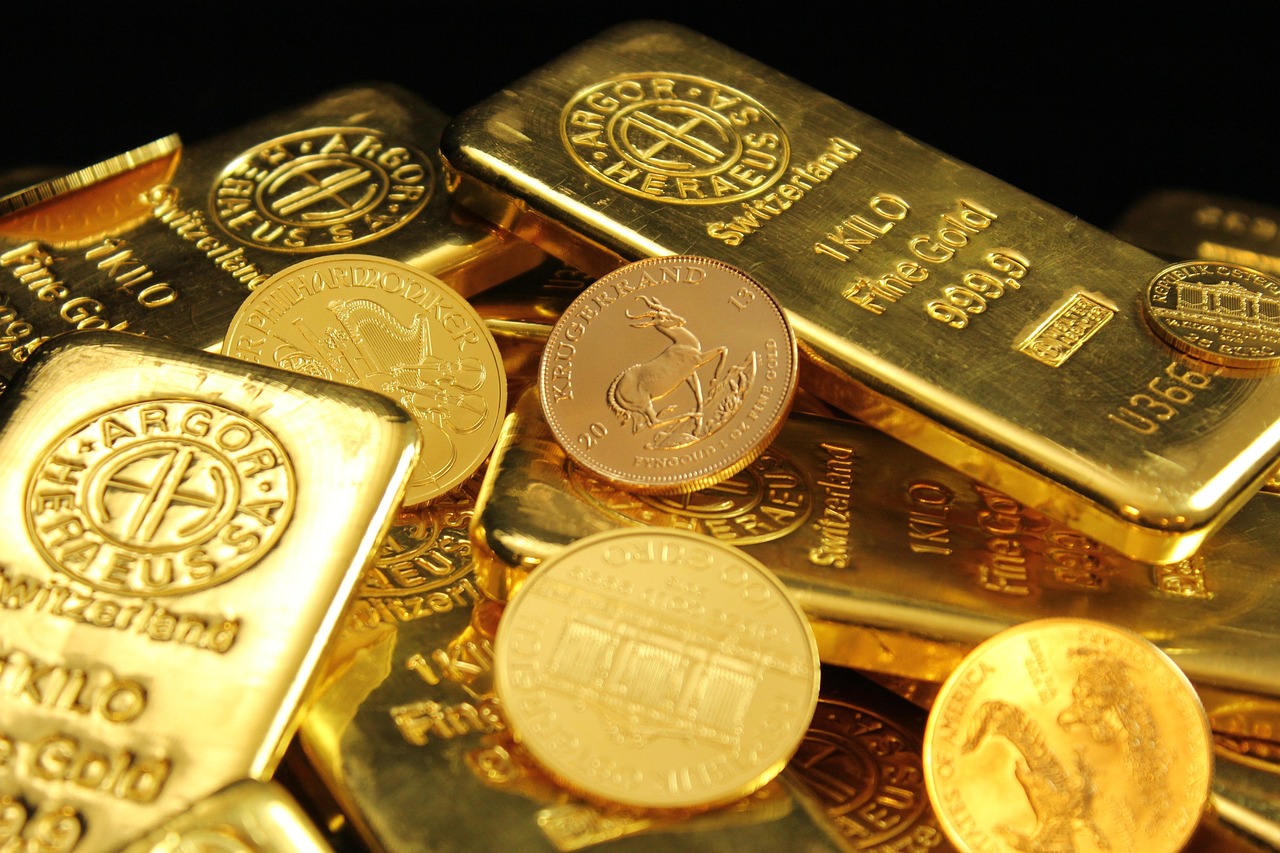
Gold edged higher as investors weighed falling oil prices, a softer U.S. dollar and lower Treasury yields against continuing uncertainty around the Iran war. The move showed how quickly gold can respond when several macro forces shift at once: geopolitical risk, inflation expectations, interest rates and currency markets.
For investors following gold ETFs, mining stocks or broader portfolio diversification strategies, the latest move is important because it highlights a central market tension. Gold can benefit from safe-haven demand during geopolitical stress, but it can also struggle when oil-driven inflation fears push interest-rate expectations higher.
Why Gold Rose as Oil, the Dollar and Yields Fell
Gold often performs best when real yields decline, the U.S. dollar weakens and investors seek protection from market stress. That combination appeared to support bullion in the latest session.
Reuters reported that spot gold steadied after an earlier drop, supported by a softer dollar and lower yields as oil prices fell on uncertainty over a potential resolution to the U.S.-Israeli war on Iran. Spot gold was up 0.1% at $4,547.54 per ounce at the time of that report, while U.S. gold futures for June delivery settled slightly lower at $4,542.50.
The dollar matters because gold is priced in U.S. currency. When the dollar weakens, gold becomes less expensive for buyers using other currencies, which can support demand. Treasury yields matter because gold does not pay interest. When yields fall, the opportunity cost of holding bullion declines.
Related articles





Oil adds a more complicated layer. In a typical geopolitical crisis, higher oil prices may increase inflation concerns. That can hurt gold if investors believe the Federal Reserve will keep interest rates high for longer. But when oil falls, some of that inflation pressure eases, potentially lowering bond yields and helping gold regain support.
That is why the latest gold price today story is not just about safe-haven buying. It is also about the interaction between commodity markets, inflation outlook, Fed interest rate expectations and currency moves.
Iran War Uncertainty Keeps Safe-Haven Demand Alive
The Iran war remains central to the market narrative because of its implications for energy supply, inflation and global risk sentiment. The Strait of Hormuz is one of the world’s most important oil chokepoints, so disruptions or fears of escalation can quickly affect crude prices and investor positioning.
Associated Press reported that oil prices had climbed amid uncertainty around the Iran war, including concerns over disruptions near the Strait of Hormuz and limited progress in diplomatic efforts. Brent crude rose to $104.08 per barrel, while U.S. crude climbed to $97.25 in that report.
Yet the market has not treated gold as a one-way trade. Seeking Alpha noted that gold had declined 14% since the war began in late February, even though the conflict disrupted maritime traffic through the Strait of Hormuz. That decline suggests investors have been more focused at times on rising yields, a stronger dollar or changing expectations for monetary policy than on geopolitical risk alone.
This is a key lesson for investors. Gold is often described as a safe-haven asset, but it does not rise automatically during every crisis. The direction of real interest rates, the U.S. dollar and inflation expectations can be just as important as headline geopolitical risk.
What Falling Treasury Yields Mean for Gold ETFs
Gold ETFs such as SPDR Gold Shares, iShares Gold Trust and other bullion-backed funds are often used by investors who want exposure to gold without holding physical metal. These products generally track movements in gold prices, though fees and market structure can create small differences over time.
Lower Treasury yields are usually constructive for gold ETFs because they reduce the income advantage of bonds. When investors can earn attractive yields on government debt, gold may look less appealing because it produces no cash flow. When yields fall, gold’s lack of income becomes less of a disadvantage.
This relationship is especially important in an environment where the Federal Reserve’s next move remains a major question for equity markets. If investors believe inflation pressures are easing and rate cuts are more likely, gold may find support. If oil prices surge and inflation expectations rise again, the market may price in tighter monetary policy, which could weigh on gold.
For ETF investors, the practical takeaway is that gold exposure should be evaluated alongside the rest of a portfolio. Gold may help diversify risk, but it can also be volatile when macro narratives shift quickly.
Why Gold Miners May React Differently Than Bullion
Gold mining stocks can move with the gold price, but they are not the same investment as bullion. Miners carry operating risks, cost inflation, debt exposure, capital spending needs and company-specific execution issues. When energy prices are volatile, mining companies can face pressure because fuel and equipment costs affect margins.
That means gold miners may not always outperform when bullion rises. If gold moves higher while oil prices also rise sharply, miners may see some benefit offset by higher input costs. If gold rises while energy prices fall and yields decline, the setup may be more favorable for margins and investor sentiment.
This distinction matters for traders using online brokers or trading platforms to gain exposure through mining ETFs. A bullion ETF is primarily a gold price vehicle. A mining ETF is an equity investment linked to corporate earnings, operating leverage and broader stock market conditions.
Investor Takeaway: Watch the Dollar, Yields and Oil Together
The latest move in gold shows that investors should avoid analyzing precious metals through a single lens. Iran war uncertainty supports safe-haven interest, but the dollar, Treasury yields and oil prices are doing much of the day-to-day work in gold pricing.
If the dollar weakens and yields continue to fall, gold may remain supported even if risk appetite improves. If oil prices rebound sharply and revive inflation fears, higher rate expectations could limit gold’s upside. If geopolitical risks escalate, safe-haven demand could return quickly, but the scale of any rally would still depend on how bond and currency markets respond.
For long-term investors, gold can play a role in portfolio diversification, especially during periods of policy uncertainty, geopolitical stress and equity market volatility. However, gold does not generate earnings, dividends or EPS growth. Its value depends heavily on macro conditions, investor psychology and real interest rates.
The current gold price today narrative is therefore best understood as a balancing act. Bullion is receiving support from lower yields and a softer dollar, while Iran war uncertainty keeps safe-haven demand relevant. But oil volatility and the Federal Reserve outlook remain major variables that could change the picture quickly.
FAQ
Why did gold move higher?
Gold moved higher as lower Treasury yields and a softer U.S. dollar supported prices, while uncertainty around the Iran war kept safe-haven demand in focus.
How does the U.S. dollar affect gold prices?
Gold is priced in U.S. dollars. When the dollar weakens, gold becomes cheaper for buyers using other currencies, which can support global demand.
Why do Treasury yields matter for gold?
Gold does not pay interest. When Treasury yields fall, the opportunity cost of holding gold declines, which can make bullion and gold ETFs more attractive to some investors.
Does Iran war uncertainty automatically push gold higher?
No. Geopolitical risk can support gold, but higher yields, a stronger dollar or changing Fed interest rate expectations can offset safe-haven demand.
Are gold ETFs the same as buying gold miners?
No. Gold ETFs backed by bullion generally track the gold price, while gold mining stocks are equities affected by operating costs, margins, management execution and broader stock market conditions.
Disclaimer: This article is for informational purposes only and does not constitute financial advice. Always conduct your own research before making any investment decisions.