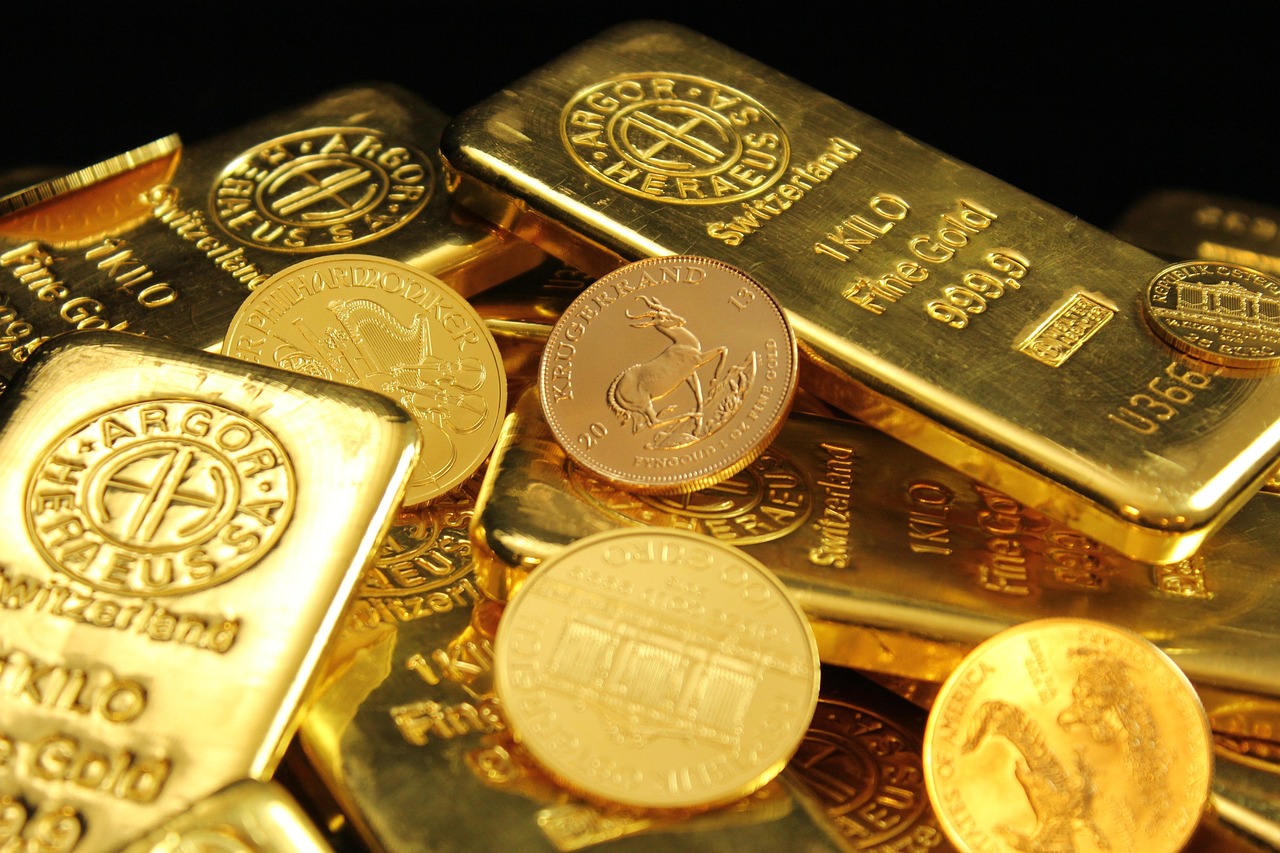
Gold and silver climbed to three-week highs on Wednesday, April 8, as investors reassessed the market impact of a two-week ceasefire between the United States and Iran. Spot gold rose 2.3% to $4,812.49 an ounce in early trading after earlier gaining more than 3% to its highest level since March 19, while U.S. gold futures for June delivery gained 3.4% to $4,841.60. Seeking Alpha also reported that silver advanced to a three-week high as the move broadened across precious metals.
At first glance, the move looked counterintuitive. A ceasefire would normally reduce immediate safe-haven demand for bullion. But in this case, the market response was driven less by a simple easing of war fears and more by a broader repricing across the dollar, oil and inflation expectations. That shift helped precious metals despite the temporary geopolitical de-escalation. This is an inference from the simultaneous moves in gold and crude reported by Reuters.
Oil’s Sharp Drop Changed the Inflation Story
The biggest macro trigger was the collapse in oil prices after the ceasefire announcement. Reuters reported that Brent crude fell 13.3% to $94.76 a barrel, while U.S. West Texas Intermediate dropped 15.2% to $95.79 after President Donald Trump announced a two-week ceasefire agreement with Iran tied to reopening the Strait of Hormuz.
That move matters for gold because lower oil prices can reduce fears of a fresh energy-driven inflation shock. Reuters had already noted in late March that gold had risen when falling oil prices eased inflation concerns and tempered expectations of higher interest rates. The same market logic appeared to return on April 8: if lower crude prices reduce pressure on inflation, investors may see less risk of an even more restrictive interest-rate backdrop, which tends to support non-yielding assets such as gold and silver.
A Weaker Dollar Added More Support
The other key driver was the U.S. dollar. Reuters reported that gold prices climbed as markets reassessed near-term risks after the Iran pause, while earlier Reuters coverage in March noted that a weaker dollar supports bullion because it makes gold cheaper for buyers holding other currencies. That relationship remains one of the clearest transmission channels between macro sentiment and precious metals prices.
Related articles





In practical terms, that means gold benefited from two forces at once: lower oil reduced immediate inflation anxiety, and a softer dollar improved the metal’s appeal globally. Silver, which often trades partly as a precious metal and partly as a cyclical industrial metal, moved higher alongside gold as the market embraced the broader normalization trade following the ceasefire headline. The silver move is supported by Seeking Alpha’s report; the interpretation of the combined drivers is an inference from the broader market reaction.
Why Bullion Rose Even as War Fears Eased
The precious-metals rally highlights an important market nuance. Gold is not only a geopolitical hedge. It also reacts strongly to real yields, the dollar and shifting expectations for inflation and monetary policy. On April 8, those macro channels appear to have outweighed the reduction in immediate war premium. Reuters explicitly said markets were reassessing near-term risks after Trump agreed to suspend bombing and attacks on Iran for two weeks, easing fears of energy-driven inflation.
In other words, bullion did not rise because investors suddenly became more fearful of war. It rose because the ceasefire changed the expected path of oil and inflation more quickly than it reduced broader uncertainty. That is especially relevant because Reuters also reported that the agreement is temporary and that analysts still see the Strait of Hormuz as a potential bargaining tool for Iran, meaning the geopolitical risk premium has not disappeared completely.
The Ceasefire May Not End Volatility
Markets are treating the ceasefire as a pause, not a full resolution. Reuters reported that the two-week agreement was contingent on the immediate reopening of the Strait of Hormuz and noted that Gulf nations were still reporting missile and drone activity. Analysts cited by Reuters warned that Iran could continue to use the strait as leverage, which means oil and precious metals could remain volatile even after the initial relief rally.
That fragility matters for gold and silver because it creates a market environment where both relief and caution can coexist. If the ceasefire holds and oil remains below the crisis highs, bullion could keep drawing support from a weaker dollar and softer inflation fears. But if the pause breaks down or shipping disruptions return, gold could quickly regain a more traditional safe-haven bid. This is an inference based on Reuters’ reporting about the conditional nature of the ceasefire and ongoing regional risks.
What Investors Will Watch Next
The next phase for gold and silver will likely depend on whether the move in oil proves durable and whether the dollar stays under pressure. If energy prices continue to retreat, investors may conclude that the worst-case inflation scenario tied to the Iran conflict has been deferred, which would keep precious metals supported. If oil rebounds sharply, that logic could reverse.
Markets will also be watching whether broader macro data confirm the new narrative. If economic releases later this week point to softer inflation pressure or a less aggressive interest-rate outlook, gold may have room to extend gains. If yields rise again or the dollar rebounds, the rally in bullion could lose momentum. That is an inference from Reuters’ explanation of the oil-inflation-gold relationship and the broader cross-asset repricing now underway.
Conclusion
Gold and silver’s rise to three-week highs on April 8 was less about panic and more about repricing. The two-week U.S.-Iran ceasefire triggered a sharp fall in oil, weakened the dollar and eased fears of an immediate energy-driven inflation spiral, creating a more supportive backdrop for precious metals. The move shows that bullion is responding not just to headlines from the Middle East, but to how those headlines reshape expectations for inflation, currencies and monetary policy. The key question now is whether the ceasefire proves durable enough to keep oil contained, or fragile enough to send investors back into classic safe-haven mode.
FAQ
Why did gold and silver rise after the Iran ceasefire?
Gold and silver rose because the ceasefire pushed oil prices sharply lower and weakened the dollar, which improved the macro backdrop for precious metals even as immediate war fears eased.
How high did gold rise on April 8, 2026?
Reuters reported that spot gold rose 2.3% to $4,812.49 an ounce in early trading after earlier gaining more than 3% to its highest level since March 19.
Why does lower oil help gold?
Lower oil can reduce fears of higher inflation and additional policy tightening, which can make non-yielding assets like gold more attractive. Reuters described this same dynamic in March and again in the April 8 market move.
Why does a weaker dollar matter for bullion?
A weaker dollar makes gold cheaper for buyers using other currencies, which tends to support demand and prices. Reuters explicitly noted this relationship in earlier gold-market coverage.
Could gold and silver stay volatile from here?
Yes. Reuters reported that the ceasefire is temporary and tied to conditions around the Strait of Hormuz, so renewed geopolitical stress could quickly change the market tone again.
Disclaimer
This article is for informational and journalistic purposes only and does not constitute investment advice, financial advice or a recommendation to buy or sell any security, commodity or precious-metals instrument. Gold, silver and energy markets can move sharply in response to geopolitical developments, currency moves, inflation expectations and central bank policy.