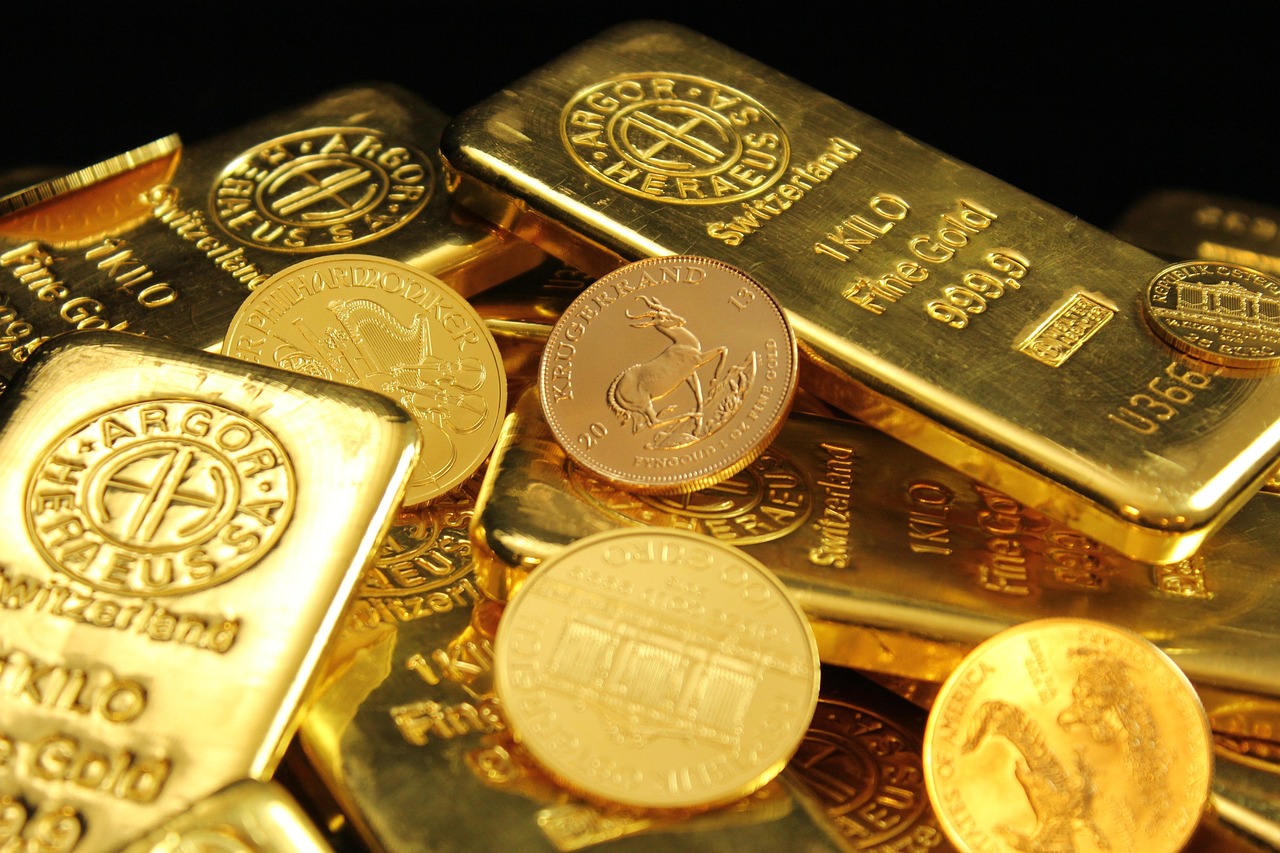
Gold is back in the spotlight after Julius Baer, CIO of Bhaskar Laxminarayan, argued that investors should keep accumulating the metal at current levels, even after a volatile stretch that has shaken confidence across commodity and equity markets. The call stands out because it comes at a time when gold has been under pressure from rising bond yields, a stronger U.S. dollar, and fresh fears that inflation could stay elevated for longer if the Iran war keeps energy markets disrupted. Even so, the broader message is that the recent weakness in gold does not necessarily break the long-term bullish case.
Why Gold Is a Debate
The story has become more complicated over the past two weeks. On one side, geopolitical risk, fiscal uncertainty, and long-term concerns about inflation still support demand for safe-haven assets. On the other, rising oil prices have pushed investors to rethink the interest-rate outlook, and that has hurt gold in the short term. Higher inflation expectations can sometimes help gold, but when they also drive bond yields and the dollar higher, the metal often struggles because it does not generate income. That tension is exactly what the market is trading right now.
This explains why Julius Baer’s recommendation matters. The bank is effectively saying that the current pullback should be viewed as an opportunity rather than a warning sign. That view fits with its broader stance from late 2025, when it described gold as one of the top hedges for 2026 because of uncertainty around central banks, liquidity conditions, and broader market stability.
Volatile – Not Broken
Recent price action shows just how nervous the market has become. The precious metal rose sharply on March 25 as easing oil prices briefly reduced inflation fears and supported a rebound in safe-haven buying. Then the move reversed as crude climbed again, the dollar firmed, and traders began pricing in a more hawkish path for central banks. By March 27, spot gold had bounced nearly 1% on dip-buying to about $4,416.90 an ounce, but it was still on track for a fourth straight weekly loss.
That kind of price behavior does not suggest the gold thesis has collapsed. It suggests the market is caught between two competing forces. Gold still benefits from geopolitical instability and long-term macro uncertainty, but it is being capped by the immediate impact of higher real yields and reduced expectations for interest-rate cuts. In other words, the bullish case is still alive, but investors are being forced to think in two time frames at once.
Related articles





The Iran War is Reshaping the Gold Trade
The biggest driver of market psychology right now is the Iran war and its effect on energy prices. Oil has surged since the conflict began, and that has created a very different environment for gold than many investors expected at the start of the year. Instead of a clean safe-haven rally, gold has had to deal with the inflationary side effects of the conflict. Rising energy prices are feeding concerns that major central banks may need to stay restrictive for longer, and that is making it harder for gold to break higher in the near term.
This is why gold has not simply moved in a straight line upward despite the geopolitical backdrop. When war lifts oil and inflation expectations at the same time, the market starts favoring the U.S. dollar and higher yields alongside safe-haven positioning. That leaves gold competing for defensive capital instead of automatically receiving it. Julius Baer’s stance appears to be that this tension is temporary and that investors should focus on the longer-term protection gold can still offer.
Why Julius Baer Still Sees a Buying Opportunity
The core of the bullish argument is that gold remains an effective hedge even when short-term macro conditions are messy. Central banks are still operating in an unstable environment, markets remain highly sensitive to energy shocks, and investors are dealing with a world where inflation risks can reappear quickly. Those conditions support the idea that gold still has a strategic role in portfolios, especially after a pullback.
There is also support for that broader view from other corners of the market. Analyst forecasts for 2026 gold prices have been revised sharply higher in recent months, with the median annual forecast in one February survey rising to $4,746.50 an ounce, the highest in that poll’s history. Commerzbank has also lifted its own 2026 forecast to $5,000 an ounce, even while acknowledging that the short-term path remains volatile. That does not guarantee upside from here, but it shows that many market participants still see structural support for gold beyond the current correction.
What Is Holding Gold Back Right Now
The short-term headwinds are still real. Gold is facing pressure from a stronger dollar, higher Treasury yields, and fading expectations for rate cuts in 2026. The market has increasingly priced out the easier monetary policy that many investors expected earlier in the year. As long as that remains true, gold may struggle to regain its strongest momentum even if geopolitical fears stay elevated.
There are also signs of additional pressure from official-sector activity. One report highlighted that central-bank reserve sales are adding another source of weakness for gold at the moment. That does not invalidate the longer-term investment case, but it does help explain why the metal has been softer than many expected during a period of war and market anxiety.
What Investors Should Watch Next
For gold, the next move will likely depend on three things: oil prices, the dollar, and the rate outlook. If crude keeps rising and investors expect more tightening from central banks, it could remain choppy or under pressure. If energy markets calm down and yields ease, the metal could recover quickly because the underlying demand for hedges has not disappeared. That is the setup behind the accumulation argument: buy during the pullback while the long-term case remains intact.
Conclusion
Gold is under short-term pressure, but the bigger picture is still constructive enough for some banks to argue that current levels are worth accumulating. The market is being pulled in opposite directions by war-driven uncertainty on one side and hawkish rate expectations on the other. That has made the gold trade more volatile than many investors expected. Still, the case for owning gold as a hedge against instability, inflation surprises, and policy uncertainty remains very much alive. Julius Baer’s message is essentially that the recent weakness looks more like a reset than the end of the bull story.
FAQ
Why is Julius Baer positive right now?
Because the bank still sees gold as an important hedge in an environment shaped by market instability, central-bank uncertainty, and geopolitical risk.
Why has the metal been falling if geopolitical risk is high?
Because rising oil prices have also pushed up inflation expectations, bond yields, and the U.S. dollar, which has limited the short-term upside.
Is the long-term bull case still intact?
Many analysts still think so, with 2026 forecasts remaining elevated despite the recent correction.
What should investors watch next?
The key variables are oil, Treasury yields, the dollar, and whether the market starts pricing rate cuts back into 2026.
Disclaimer
This article is for informational purposes only and does not constitute investment advice, financial advice, or a recommendation to buy or sell any security.