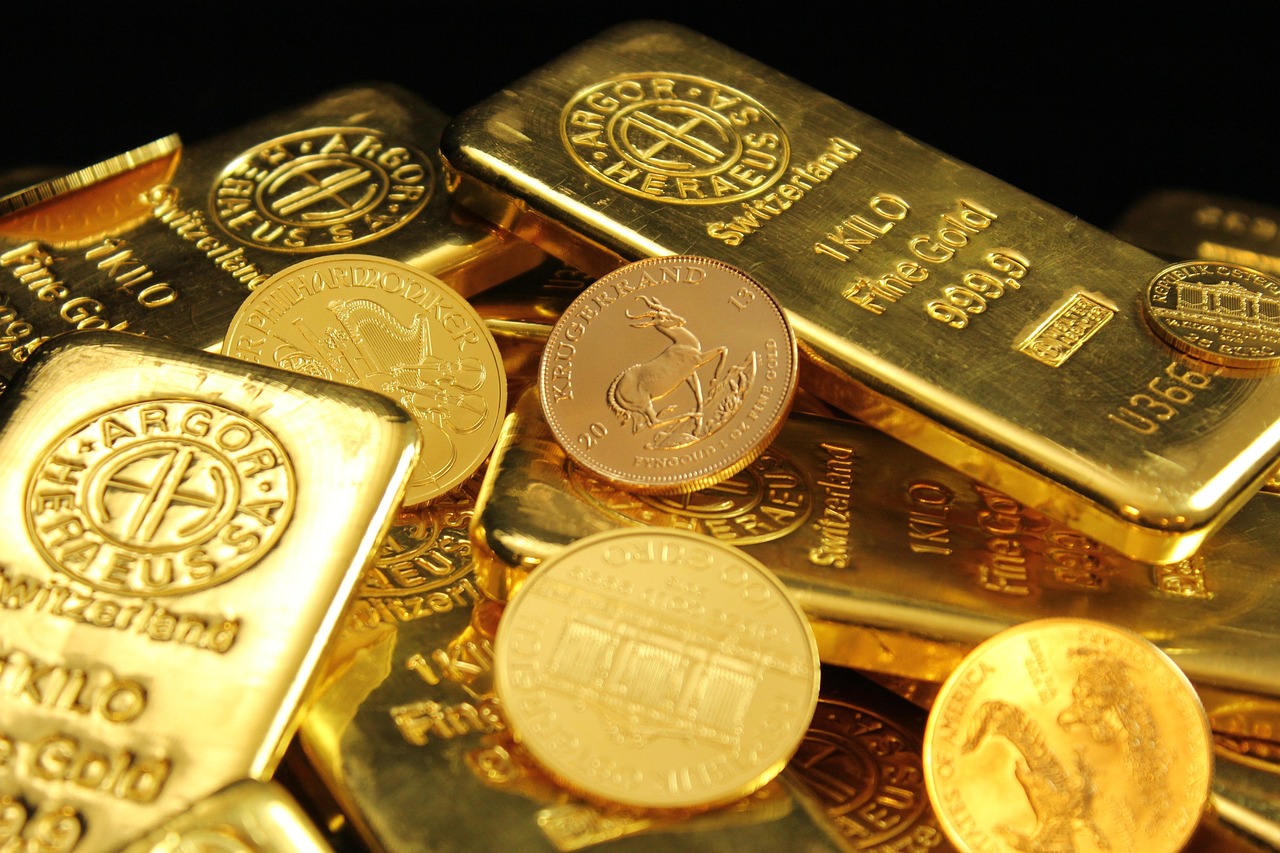
Gold has just endured one of its worst monthly selloffs in more than 17 years, a sharp reversal for an asset that had been one of the market’s strongest performers earlier in 2026. The decline has been severe enough to shock investors who had treated gold as one of the clearest geopolitical hedges of the year. Yet the larger strategic case for the metal has not disappeared. Even after the historic March drop, long-term price targets across the market remain elevated, and the broader argument for owning gold still rests on central-bank demand, reserve diversification, fiscal uncertainty, and structural distrust of fiat currencies. Gold was down more than 13% in March, its biggest monthly decline since 2008, even though it remained up about 5% for the quarter.
Why Gold Had Such a Brutal Month
The selloff was driven less by a collapse in safe-haven demand and more by the way the Iran war reshaped inflation and rate expectations. In theory, geopolitical conflict should help gold. In practice, the war pushed oil sharply higher, strengthened the U.S. dollar, and led investors to rethink the path of monetary policy. That combination hurt gold badly because the metal tends to struggle when yields and the dollar both rise. March became a month in which inflation fears did not support gold in the usual way. Instead, they boosted the assets competing with it for defensive capital.
This was the core problem for gold bulls. The conflict created precisely the sort of uncertainty that often supports precious metals, but it also raised the prospect of tighter monetary policy for longer. As rate-cut hopes faded, the opportunity cost of holding a non-yielding asset increased. That turned a classic safe-haven setup into a far more complicated macro trade.
The Dollar Became Gold’s Biggest Enemy
Another major reason for the historic monthly rout was the sudden strength of the U.S. dollar. During March, investors increasingly preferred the dollar as their main refuge from war-driven volatility. That shift mattered because a stronger dollar makes gold more expensive for non-U.S. buyers and usually puts downward pressure on the metal. The dollar was on track for its biggest monthly gain since July, while bond yields also climbed sharply. In that environment, gold had to compete against two of its biggest headwinds at once.
That helps explain why the decline felt so unusual. The market did not abandon the idea of safety. It simply chose a different form of safety for much of the month. Instead of flowing overwhelmingly into gold, defensive capital rotated toward the dollar and rate-sensitive fixed-income positioning.
Why the Long-Term Gold Story Is Still Intact
Despite the magnitude of the selloff, the bigger bull case remains alive. The main reason is that the long-term drivers behind gold’s strength have not gone away. Central banks and private-sector investors have continued to diversify reserves and portfolios away from overdependence on the U.S. dollar. Fiscal deficits remain large, geopolitical fragmentation remains high, and reserve management behavior across emerging markets still supports strategic gold demand. Those forces were behind the major upward revision in long-term gold targets earlier this year, including a $5,400 end-2026 target that was raised from $4,900 in January.
That target may look aggressive after such a violent monthly decline, but the broader context matters. Gold had surged to a record high of $5,594.82 in January before this correction began. Even after the March rout, the metal is not trading as if the long-term trend has been broken completely. It is trading more like an overcrowded bullish position that has been hit by a major macro reset.
This Looks More Like a Reset Than a Collapse
One important detail is that gold did not simply keep falling in a straight line into month-end. On the final day of March, prices rebounded modestly, with spot gold rising 0.9% to around $4,550.68 an ounce. That does not erase the damage, but it suggests buyers are beginning to view the pullback as an opportunity rather than a signal that the entire thesis has failed. Falling oil prices and a slightly softer dollar helped support that bounce, showing just how sensitive gold has become to the inflation-and-rates channel.
This is an important distinction. If the long-term bull case had truly broken down, investors would likely be slashing targets and abandoning the structural story. Instead, the mood is more nuanced. The near-term path has become messy and volatile, but the strategic arguments for higher prices over time remain broadly in place.
What Needs to Happen for Gold to Recover
For gold to regain stronger momentum, the market likely needs some relief in three areas: yields, the dollar, and oil-driven inflation anxiety. If energy prices cool, the pressure on central banks to stay hawkish may ease. If that happens, the dollar could soften and bond yields could stabilize or retreat, creating a much better backdrop for gold. That pattern was visible briefly on March 25, when gold rose nearly 2% after oil weakened and fears of higher interest rates eased.
The reverse is also true. If the Iran conflict drags on, oil remains elevated, and the market continues pricing out rate cuts, gold may stay volatile or even remain under pressure despite its safe-haven role. That is the unusual feature of the current setup: geopolitics is still supportive in theory, but only if it does not worsen the rate backdrop further.
Why Investors Are Still Watching Closely
Gold remains one of the most important macro assets because it sits at the intersection of inflation, geopolitics, reserve strategy, and monetary credibility. The historic monthly loss has not changed that. If anything, it has made the market more interesting. Investors now have to decide whether March was the beginning of a more lasting breakdown or simply a violent repricing inside a longer-term bull market. For many, the answer still leans toward the second interpretation.
The fact that long-term targets remain elevated even after the rout shows that conviction has weakened less than the price action suggests. The market is no longer treating gold as a one-way trade, but it is also not abandoning the idea that the metal can move materially higher again once the macro backdrop becomes less hostile.
Conclusion
Gold’s historic monthly selloff was driven by a powerful mix of higher oil, stronger yields, a surging dollar, and fading hopes for rate cuts. Those forces overwhelmed the usual safe-haven logic and turned March into one of the metal’s worst months in nearly two decades. Even so, the longer-term case remains intact enough that many investors still see the decline as a reset rather than the end of the bull market. The next move will depend heavily on whether inflation fears begin to cool, the dollar stops rising, and monetary expectations become less restrictive. Until then, gold is likely to remain volatile but strategically important.
FAQ
Why did the precious metal suffer such a historic monthly loss?
Because higher oil prices, a stronger U.S. dollar, and rising yields all worked against the metal by reducing rate-cut expectations and increasing the appeal of other defensive assets.
How bad was the March 2026 decline?
Gold fell more than 13% in March, marking its biggest monthly drop in over 17 years.
Is the long-term bull case still alive?
Yes. Strategic demand from reserve diversification, central-bank buying, and longer-term fiscal and currency concerns still supports a constructive long-term view.
What could help the recovery from here?
A softer dollar, lower bond yields, and easing oil-driven inflation fears would all improve the backdrop for gold.
Disclaimer
This article is for informational purposes only and does not constitute investment advice, financial advice, or a recommendation to buy or sell any security.