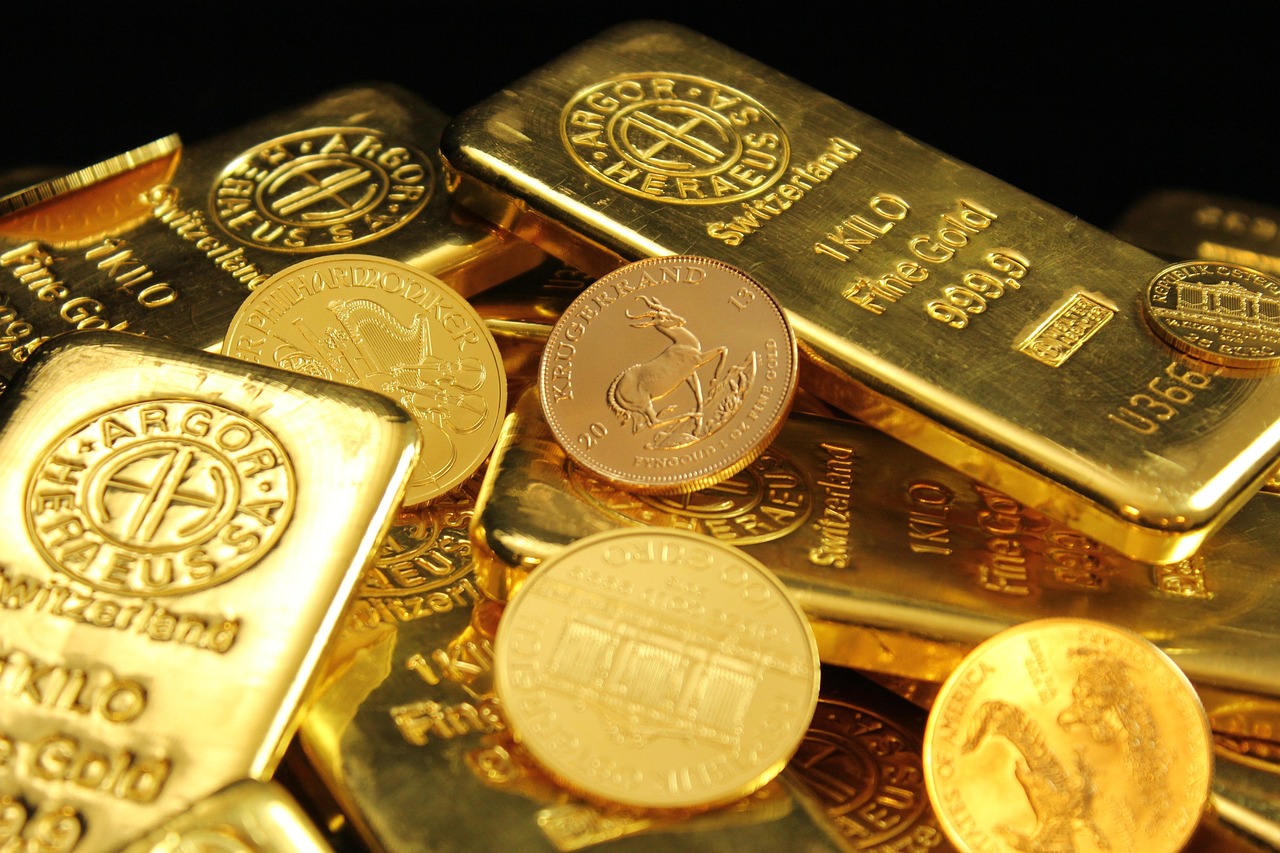
Snapshot: Spot gold is hovering around the mid-$5,000s per ounce after rebounding this week, supported by a softer U.S. dollar and easing Treasury yields. Prices remain within striking distance of January’s record highs above $5,100.
Recent price action (last ~2 weeks)
- Record and pullback: On January 26, gold set a fresh record above $5,100/oz before retreating in early February amid profit-taking.
- This week’s rebound: As of today (Feb 11), spot is back near ~$5,050–$5,080 with April futures a touch higher, helped by a weaker dollar and lower U.S. yields.
- Positioning/context: Gold remains up massively year-on-year; volatility has stayed elevated as speculative flows and official-sector buying intersect.
What’s moving gold right now
- Rates & USD: Lower yields reduce the opportunity cost of holding non-yielding assets; a softer dollar boosts dollar-priced metals. Both aided the bounce this week.
- Macro calendar: The January U.S. jobs report is scheduled for Friday, Feb 11, 08:30 ET, a potential volatility catalyst for gold via rates and the dollar.
- Risk appetite/geopolitics: Haven demand remains a tailwind after January’s record run.
Key technical zones I’m watching (cash/nearest futures)
- Resistance: $5,100–$5,125 (record area from Jan 26). A clean break would open a run toward the mid-$5,100s.
- Pivot: ~$5,050 (intraday magnet this week).
- Support: Psychological $5,000 first; below that, $4,920–$4,950 where early-Feb dip buyers emerged.
Near-term scenarios (next 3–5 trading days)
Base case (range with a bullish bias):
- If the jobs report is mixed/soft and real yields stay contained, gold likely consolidates between $5,000 and $5,120, with dips finding support near $5k and momentum sellers fading.
Bullish extension:
- A decisively weaker labor print or dovish repricing of the Federal Reserve path could push a retest and break of $5,100, inviting momentum and CTA buying toward ~$5,150.
Bearish shakeout:
- A hotter-than-expected jobs report that lifts yields and the dollar risks a flush toward $5,000 and possibly $4,950 if stops cascade; the broader uptrend is intact unless the $4,900s give way on closing basis.
Microstructure & flows to monitor
- COMEX dynamics: Watch open interest and volume on front-month gold futures; rising open interest on up-days tends to confirm trend participation. Latest prints show healthy activity and a recent uptick in open interest.
- Official-sector demand: Ongoing sovereign and reserve-manager accumulation has underpinned the rally and may keep dips shallow.
Trading/hedging thoughts (not investment advice)
- Respect the $5,000 line in the sand: it’s likely to attract tactical dip-buyers unless the macro narrative shifts hawkish.
- Fade upside exhaustion into $5,100–$5,125 only if yields firm and USD strengthens; otherwise, breakouts can travel fast in thin liquidity.
- Into Friday’s data, consider that event risk around the U.S. Bureau of Labor Statistics release can widen spreads and increase slippage.
Bottom line
Gold remains in a high-volatility uptrend, with $5,000–$5,120 the immediate battlefield. Near-term direction hinges on Friday’s U.S. jobs data and the reaction of yields and the dollar. Bias: range-to-higher, unless a strong data surprise rekindles a hawkish rates repricing.

FAQ
Why is gold so volatile lately?
A mix of near-record prices, leveraged speculative participation, policy uncertainty, and persistent official-sector buying has amplified swings.
What’s the difference between spot and futures?
Spot reflects immediate delivery pricing in the OTC market; futures are standardized contracts (e.g., on COMEX) with set expiries (Apr, Jun, etc.). Futures can trade at a premium/discount to spot depending on rates and storage/financing.
Are we still in a bull market?
Structurally, yes: macro hedging demand and central-bank buying remain supportive; tactically, expect choppy ranges around big round numbers as markets digest data.
Disclaimer
This article is for information and commentary only and does not constitute investment advice or an offer to buy/sell any security, commodity, or derivative. Trading commodities and derivatives involves substantial risk, including the risk of loss. Always do your own research and consider consulting a licensed financial advisor.