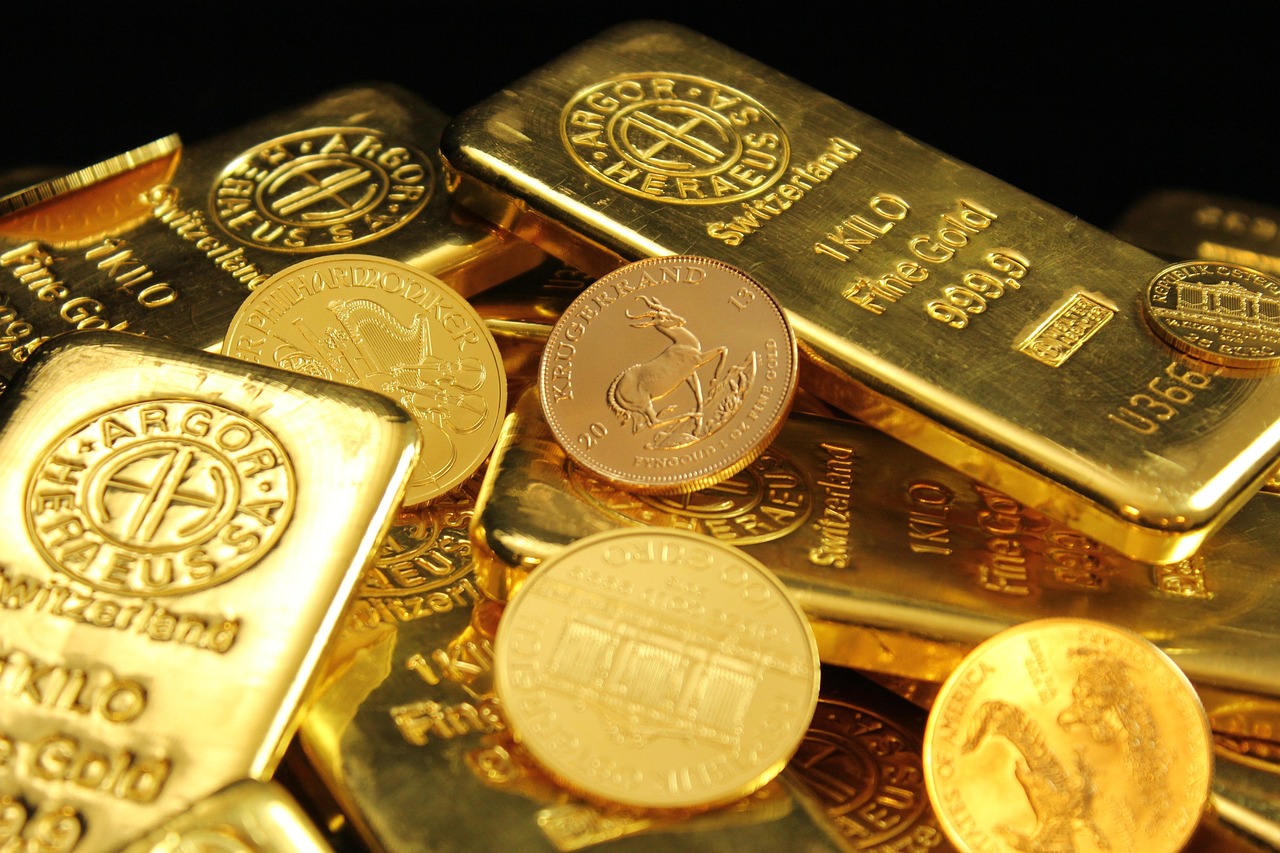
Gold’s sharp retreat deepened Wednesday, with bullion falling to its lowest recorded level since November as investors reassessed the metal’s safe-haven appeal in a market dominated by rising bond yields, a stronger dollar and renewed expectations that the Federal Reserve may keep monetary policy tighter for longer.
Spot gold traded near $4,160 per ounce, down roughly 1.4% on the session, according to Seeking Alpha. The move left gold more than 25% below its January record high, turning what had been one of the strongest macro trades of the year into a painful correction for investors in bullion, gold ETFs and gold-mining stocks.
The selloff shows how quickly the narrative around precious metals can shift. Gold had previously benefited from geopolitical uncertainty, central-bank demand, inflation concerns and investor appetite for hard assets. But the latest move suggests that interest-rate risk is now overpowering traditional safe-haven demand.
Why Gold Is Falling
The main pressure point is the interest-rate outlook. Gold does not pay interest, so it often struggles when Treasury yields rise. Higher yields increase the opportunity cost of holding bullion, especially when investors can earn more from cash, money-market funds or government bonds.
Reuters reported earlier this week that gold fell more than 1% as rising Treasury yields and expectations of a possible U.S. rate hike weighed on the metal. Spot gold dropped to around $4,264.70 per ounce on Tuesday after falling more than 2% earlier in the session, reaching its lowest level since March 23 at that point.

That selling pressure accelerated after stronger U.S. labor-market data reinforced the view that the Fed may not be finished fighting inflation. Reuters also reported last Friday that gold fell about 3% after a stronger-than-expected U.S. jobs report cemented expectations that interest rates could remain higher for longer.
For investors, the message is clear: gold’s safe-haven status does not protect it from real-rate pressure. When inflation concerns push yields higher, bullion can fall even during periods of geopolitical stress.
The Dollar and Yields Are Working Against Bullion
A stronger U.S. dollar is another major headwind. Gold is priced in dollars, which means a firmer dollar can make bullion more expensive for international buyers. That can reduce demand from non-U.S. investors and add to downward pressure.
Reuters previously cited Edward Meir of Marex, who said a multi-country rise in real rates was weighing on gold, while a stronger dollar was also negative for the metal.
That dynamic matters because gold’s rally earlier in the year was partly built on expectations that the Fed would eventually shift toward a more supportive policy stance. If markets now expect tighter policy, higher real yields and a stronger dollar, the gold price today becomes more vulnerable to technical breakdowns and forced selling.
Technical Damage Adds to the Selloff
The decline is not only macro-driven. Technical selling also appears to be playing a role. MarketWatch reported that gold and silver prices fell to 2026 lows, with gold futures recently trading around $4,185 an ounce, more than 20% below their January record high of $5,318.40. The same report noted that gold had dropped below its 200-day moving average and below key support near $4,225, with one strategist flagging a possible next support zone between $3,900 and $4,000.
Technical levels matter because many traders, commodity funds and algorithmic strategies react to trend breaks. Once gold loses a major moving average or support zone, selling can accelerate as stop-loss orders trigger and momentum funds reduce exposure.
That does not mean gold must continue falling in a straight line. But it does mean the market has shifted from a buy-the-dip setup to a more defensive technical backdrop.
Geopolitical Risk Is No Longer Enough
The most striking part of the gold selloff is that it is happening despite ongoing geopolitical risk. Normally, Middle East tension, energy-market uncertainty or military escalation can increase demand for safe-haven assets.
But this time, those same geopolitical risks may be feeding inflation concerns. If energy prices remain elevated because of conflict-related supply fears, investors may conclude that central banks need to remain hawkish. That can push yields higher and undermine gold, even though the underlying geopolitical backdrop would normally support safe-haven demand.
This is the key contradiction in the current market. Geopolitical tension is not automatically bullish for gold if it also raises inflation expectations and delays future rate cuts.
Gold Stocks and ETFs Feel the Pressure
The drop in bullion is also important for investors in gold stocks and gold ETFs. Gold-mining shares often react more sharply than the metal itself because miners are leveraged to bullion prices. When gold rises, margins can expand quickly. When gold falls, earnings expectations can come under pressure.
Gold ETFs are more directly tied to bullion prices, but they can still face outflows if investors shift toward cash, bonds or equities. MarketWatch noted that reduced central-bank buying, higher U.S. yields, a stronger dollar and waning retail interest have all contributed to the recent weakness in precious metals.
For long-term investors, the key question is whether gold remains a portfolio-diversification asset or whether the recent breakdown signals a deeper change in the macro environment. Gold can still play a role as an inflation hedge or crisis hedge, but the latest price action shows that entry point and interest-rate backdrop matter.
India Demand Could Re-Emerge at Lower Prices
One area to watch is physical demand. Reuters reported that Indian gold prices fell nearly 2% on Wednesday, reaching their lowest level since early May as global bullion prices dropped. Lower prices could revive demand in India, the world’s second-largest gold consumer, after recent weakness in jewelry buying.
Physical demand from India and China can sometimes help stabilize gold after sharp declines. However, physical buying usually does not immediately reverse a macro-driven selloff if the dollar and yields remain strong.
Still, if prices continue falling toward key support zones, bargain buying from jewelry markets, central banks or long-term investors could become more relevant.
What Investors Should Watch Next
The first factor to watch is U.S. inflation data. If CPI or PPI comes in hotter than expected, gold could face more pressure because markets may price in a more hawkish Fed. If inflation cools, bullion may get relief as Treasury yields retreat.
The second factor is the 10-year Treasury yield. Gold needs yields to stabilize or fall before a durable rebound becomes easier.
The third factor is the U.S. dollar. A weaker dollar would reduce pressure on gold, while a stronger dollar could extend the selloff.
The fourth factor is technical support. The $4,000 area is emerging as an important psychological and technical level after the break below the 200-day moving average.
The fifth factor is ETF flows. If gold ETFs keep seeing outflows, price pressure could persist. If flows stabilize, the market may begin to search for a bottom.
Bottom Line: Gold’s Rally Has Hit a Major Stress Test
Gold’s slide to its lowest level since November marks a significant shift in market psychology. The metal is no longer trading only on geopolitical fear or inflation-hedge demand. It is now being driven by a more difficult mix of higher yields, a stronger dollar and expectations that the Fed may remain restrictive.
For short-term traders, the gold price today is vulnerable until technical support stabilizes and rate expectations soften. For long-term investors, the correction may eventually create a better entry point, but the macro setup remains challenging.
Gold is still a major portfolio-diversification asset, but the latest selloff is a reminder that even safe-haven assets can fall hard when real rates move against them.
FAQ
Why is gold falling today?
Gold is falling because rising Treasury yields, a stronger U.S. dollar and renewed expectations of tighter Federal Reserve policy are reducing demand for non-yielding assets. Spot gold recently traded near $4,160 per ounce, its lowest level since November.
How far is gold below its record high?
Gold is now more than 25% below its January record high, according to Seeking Alpha. MarketWatch reported that gold futures were more than 20% below their January peak of $5,318.40.
Do higher interest rates hurt gold prices?
Yes. Gold does not pay interest, so higher bond yields increase the opportunity cost of holding bullion. That often makes gold less attractive compared with cash, Treasuries or money-market funds.
Are gold stocks also at risk?
Gold stocks can be more volatile than bullion because mining-company profits are sensitive to gold prices, costs and production levels. If bullion keeps falling, gold miners and gold ETFs may remain under pressure.
Could gold rebound from here?
Gold could rebound if Treasury yields fall, the dollar weakens, inflation data cools or geopolitical safe-haven demand returns. However, the break below key technical levels suggests traders may remain cautious until support stabilizes.
Disclaimer: This article is for informational purposes only and does not constitute financial advice. Always conduct your own research before making any investment decisions.