


Stock investors have never had access to more information. Earnings reports are published instantly, analyst price targets change every day, financial statements are available online within seconds, and social media produces a nonstop stream of market predictions. Yet having more information has not necessarily made investing easier. In many cases, it has simply made it easier to react too quickly.
That is why the best investing books still matter. The strongest books about markets do something that breaking news cannot: they teach investors how to think, how to evaluate risk, how to value businesses, and how to avoid the emotional mistakes that often destroy otherwise good investment decisions.
For StockMinded readers who follow individual stocks, earnings, valuations, market-moving news, and major themes such as artificial intelligence, the ideal reading list should go far beyond generic personal finance. These ten books cover stock picking, valuation, market psychology, risk management, trading, and long-term portfolio construction.
10. The Little Book of Common Sense Investing — John C. Bogle
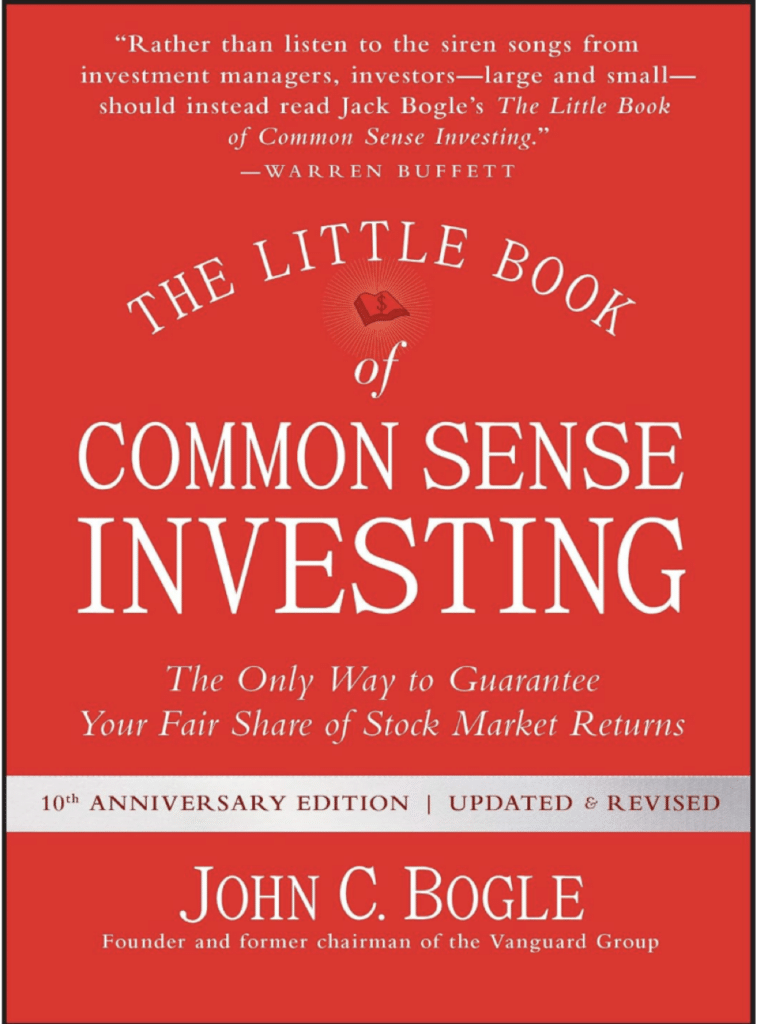
John C. Bogle, founder of Vanguard, built his career around a simple idea: most investors would be better off owning the market cheaply rather than constantly trying to beat it.
The Little Book of Common Sense Investing explains why fees, trading costs, taxes, and repeated attempts to outperform can quietly erode returns over long periods. Bogle makes the case for broad, low-cost index investing and argues that investors should focus less on predicting individual winners and more on capturing the long-term returns generated by productive businesses.
For StockMinded readers, this book is especially useful because many of you actively research individual companies. Bogle provides the benchmark against which that effort should be judged. If active stock picking cannot beat a diversified index portfolio after costs and mistakes, then more activity has not necessarily created more value.
9. A Random Walk Down Wall Street — Burton G. Malkiel
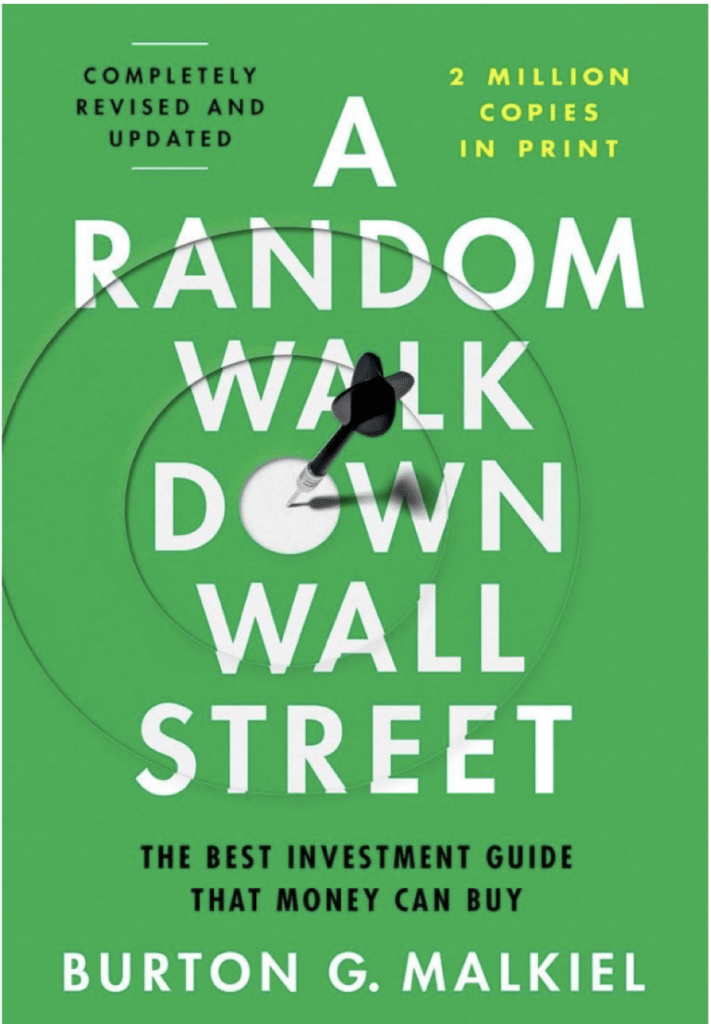
Burton Malkiel takes a skeptical view of stock picking, market timing, technical patterns, and the idea that investors can consistently exploit obvious opportunities.
A Random Walk Down Wall Street examines how markets process information and why strategies that look easy in hindsight are often much harder to execute in real time. Malkiel does not claim that markets are perfect, but he repeatedly challenges investors to ask whether the advantage they think they have is actually real.
That makes this book highly relevant for anyone who consumes market news every day. A chart breakout, analyst upgrade, or exciting new technology can look compelling, but the real question is whether that information is already reflected in the stock price.
The book encourages skepticism without turning investors cynical.
8. Market Wizards — Jack D. Schwager
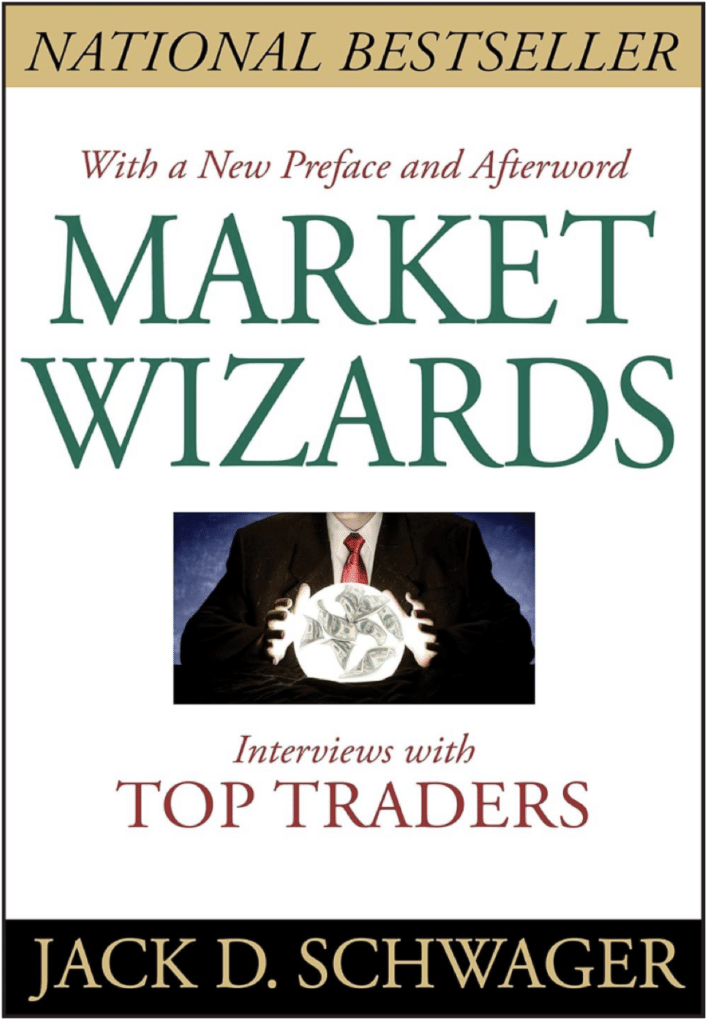
Market Wizards takes a very different approach. Instead of arguing against active trading, Jack Schwager interviews some of the most successful traders and investors in financial markets.
The fascinating part is that these professionals do not share one strategy. Some trade trends, others fundamentals, macro themes, or short-term setups. What they do tend to share is discipline.
Risk management appears again and again. Successful traders know when they are wrong, control position size, avoid emotional decision-making, and refuse to let one bad trade destroy their capital.
That makes Market Wizards especially valuable for investors who follow volatile stocks, earnings reactions, momentum names, and high-growth themes. The biggest lesson is not which setup to trade. It is how professionals survive long enough for their edge to matter.
7. The Psychology of Money — Morgan Housel
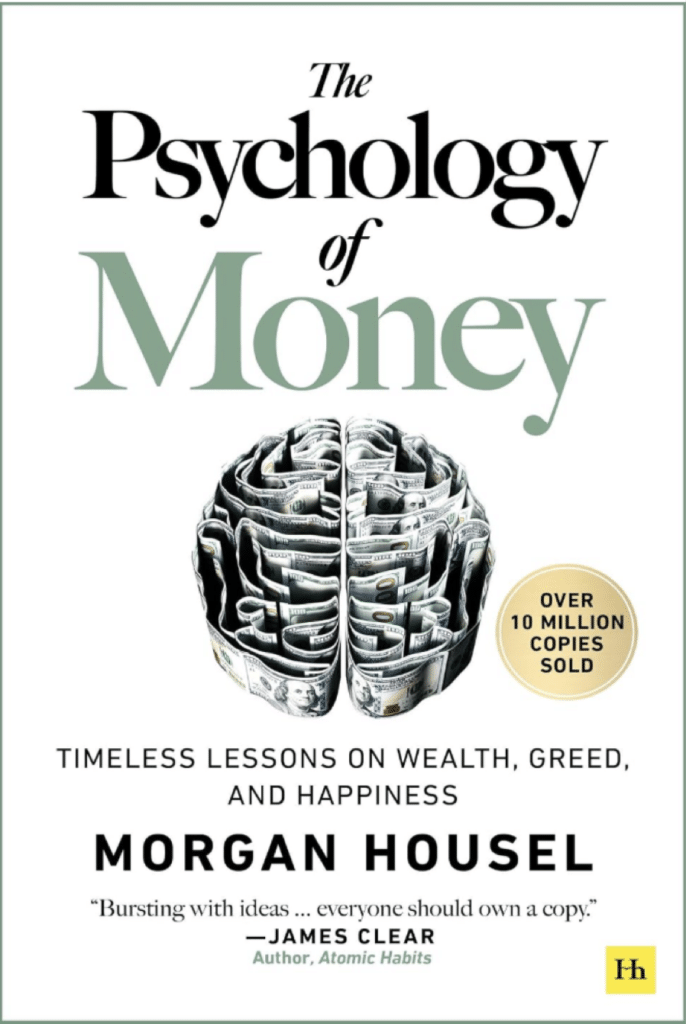
Investing is often treated as a mathematical problem, but Morgan Housel argues that financial success depends just as much on behavior.
The Psychology of Money explores how fear, greed, ego, patience, luck, expectations, and personal experience influence financial decisions. The book is written through short stories rather than technical formulas, making it one of the most accessible titles on this list.
For stock investors, the lessons are powerful. You can understand valuation perfectly and still panic during a market crash. You can identify a great company and still make a bad investment by paying an absurd price. You can generate strong returns for years and then lose them by becoming overconfident.
Housel’s biggest contribution is reminding investors that controlling their own behavior may matter more than finding the perfect stock.
6. The Most Important Thing — Howard Marks
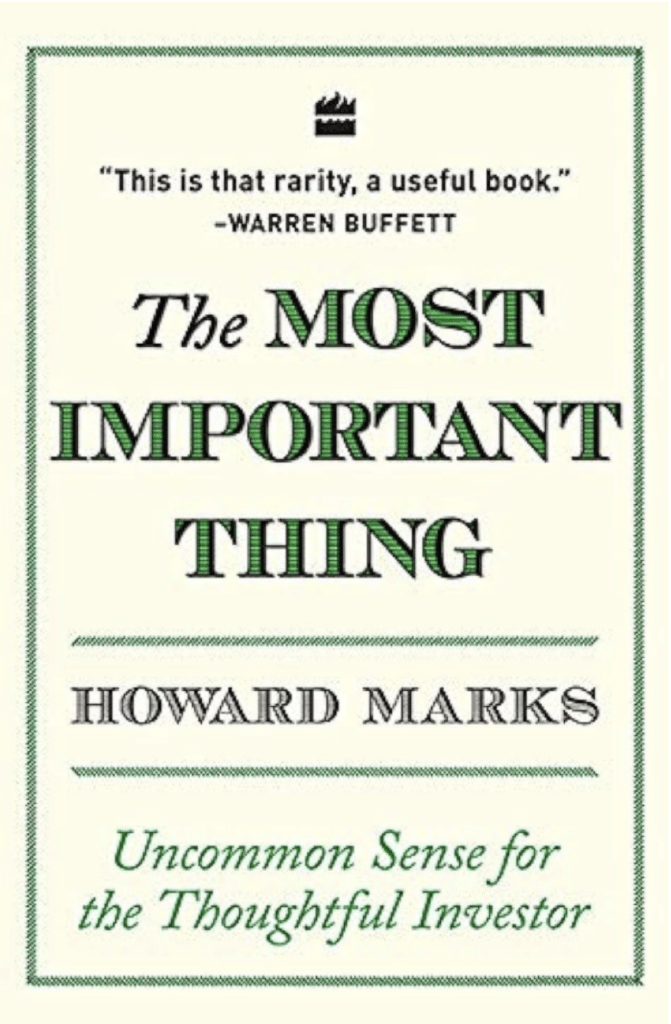
Howard Marks is best known for thinking deeply about risk, market cycles, and investor psychology.
In The Most Important Thing, Marks introduces the idea of “second-level thinking.” Instead of simply asking whether a company is good, investors should ask whether it is better than what the market already expects. Instead of asking whether an industry is growing, they should ask whether that growth has already been priced into the stock.
This framework is particularly useful in markets dominated by exciting themes such as AI, quantum computing, semiconductors, and clean energy. A company can have a fantastic story and still be a poor investment if the price assumes perfection.
Marks teaches investors to think beyond the headline.
5. The Essays of Warren Buffett — Lawrence A. Cunningham
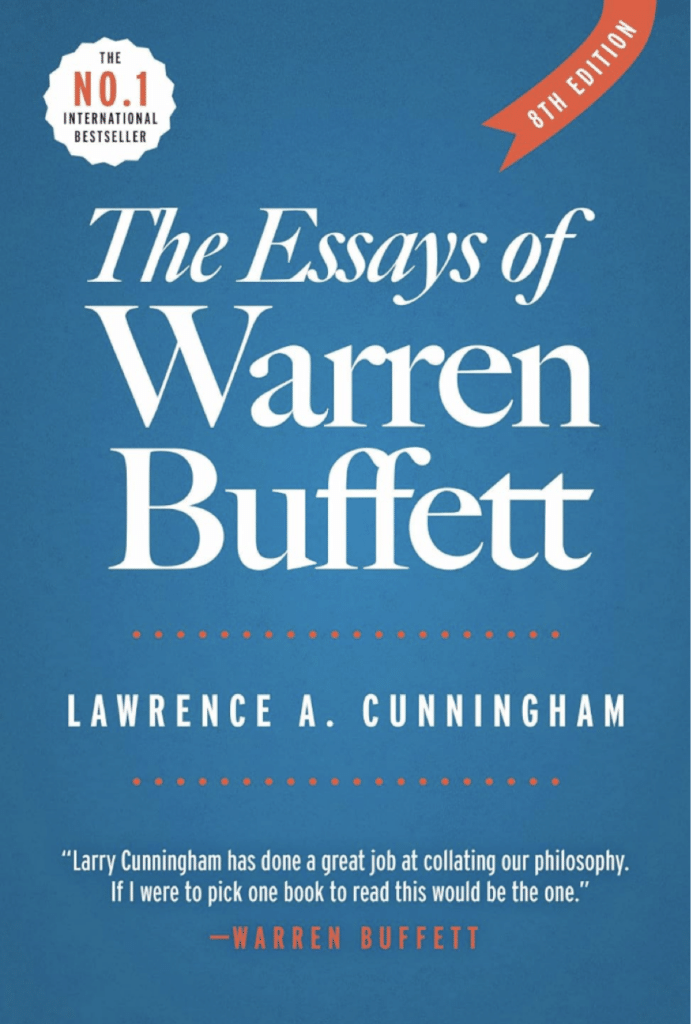
Many investors read books about Warren Buffett before reading Buffett’s own ideas.
The Essays of Warren Buffett organizes Buffett’s shareholder writings into topics such as investing, business quality, management, corporate governance, capital allocation, and acquisitions.
For stock investors, the sections on capital allocation are especially valuable. A company can generate enormous cash flow and still destroy shareholder value if management invests that money badly. Buffett repeatedly emphasizes that management’s job is not simply to grow revenue, but to allocate capital intelligently.
The book also helps investors understand why return on capital, competitive advantages, management quality, and long-term economics matter more than short-term stock-price movements.
4. Common Stocks and Uncommon Profits — Philip Fisher
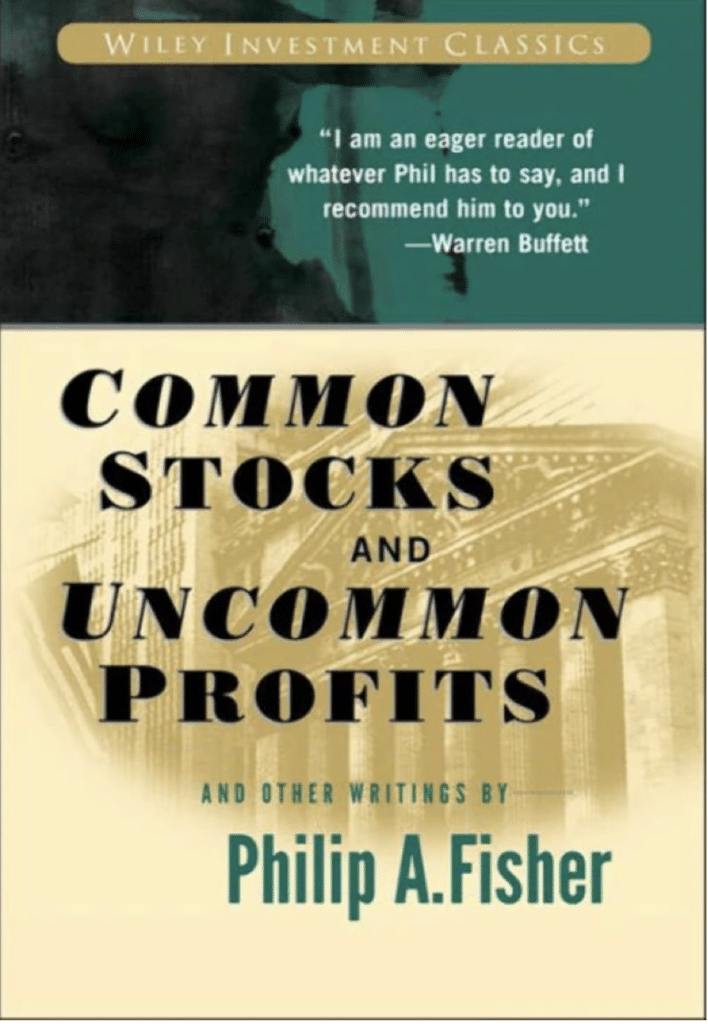
Philip Fisher helped popularize growth investing long before technology stocks became the center of financial markets.
Common Stocks and Uncommon Profits focuses on identifying exceptional businesses capable of growing for many years. Fisher looks beyond valuation ratios and emphasizes management quality, innovation, competitive positioning, research and development, sales capabilities, and long-term growth opportunities.
This makes the book particularly relevant for StockMinded readers interested in software, semiconductors, AI, and other high-growth industries. A company can look expensive based on current earnings while still becoming an outstanding investment if its competitive advantages allow profits to compound much faster than expected.
Fisher provides a framework for analyzing that possibility without simply assuming that every high-growth company deserves a premium valuation.
3. Security Analysis — Benjamin Graham and David Dodd
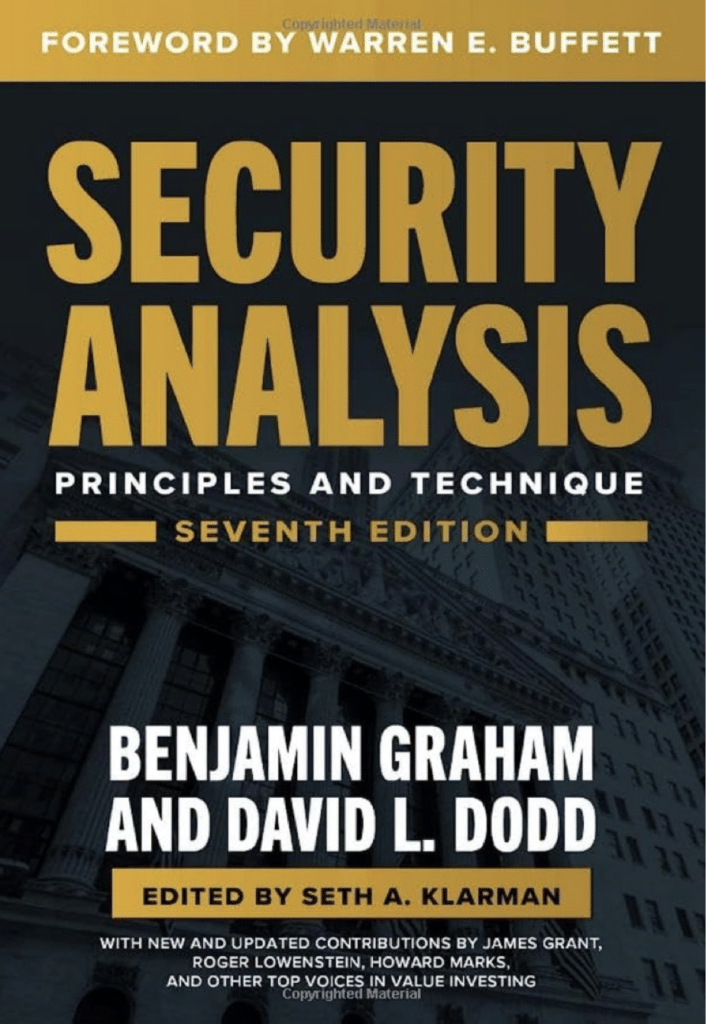
Security Analysis is the most demanding book on this list, but it remains one of the foundations of serious fundamental investing.
Benjamin Graham and David Dodd teach investors how to examine financial statements, balance sheets, earnings quality, assets, debt, and valuation. The central idea is that investing should be based on evidence rather than excitement.
This is not a beginner-friendly book, and most casual investors will probably find it heavier than The Intelligent Investor. But readers who want to move beyond headlines and learn how professional fundamental analysis developed will find enormous value in it.
The book forces investors to ask uncomfortable questions. How sustainable are earnings? What assumptions are required to justify the current valuation? How strong is the balance sheet? What happens if growth disappoints?
2. One Up On Wall Street — Peter Lynch
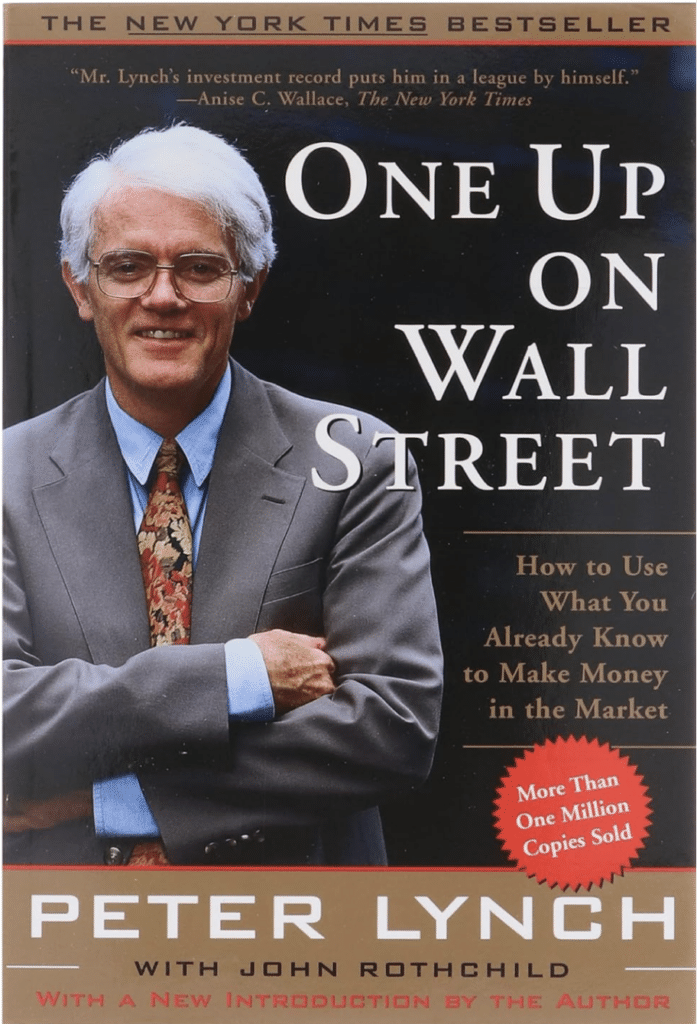
Peter Lynch makes stock picking feel accessible without pretending that it is easy.
In One Up On Wall Street, Lynch explains how individual investors can sometimes identify promising companies before Wall Street fully recognizes them. Consumers notice successful stores, products, services, and trends in everyday life long before they appear in analyst models.
But Lynch’s message is often misunderstood. He does not simply say “buy what you know.” Discovering an interesting company is only the beginning. Investors still need to understand the business, financial position, growth expectations, valuation, and risks.
For StockMinded readers, this may be one of the most practical books on the entire list because it bridges everyday observations with disciplined stock research.
1. The Intelligent Investor — Benjamin Graham
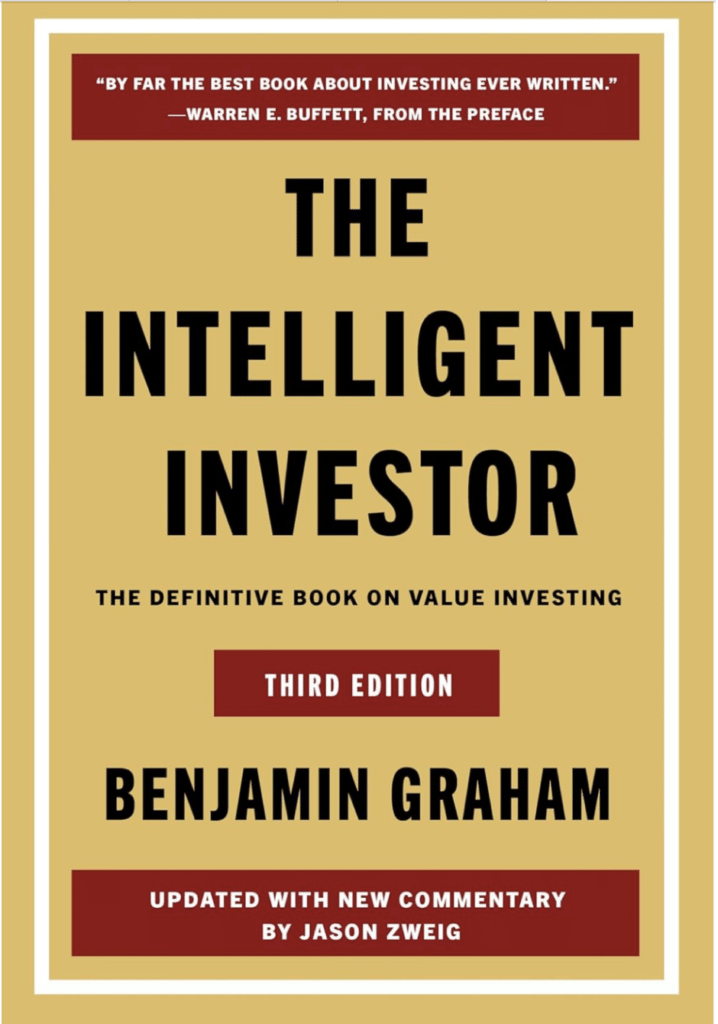
If StockMinded readers were going to choose only one book from this list, The Intelligent Investor would be the strongest starting point.
Benjamin Graham’s ideas of intrinsic value, margin of safety, and the difference between investing and speculation have influenced generations of investors, including Warren Buffett.
Perhaps the book’s most famous concept is “Mr. Market.” Graham imagines the stock market as an emotional business partner who offers to buy or sell shares every day at different prices. Sometimes he is optimistic, sometimes terrified, and sometimes irrational. The investor does not have to follow his mood.
That lesson remains incredibly relevant. A stock falling 30% does not automatically mean the company is worse. A stock rising 100% does not mean the business suddenly became twice as valuable. Price and value are related, but they are not the same thing.
That simple distinction may be one of the most important ideas any investor can learn.
Which Investing Book Should You Read First?
The right starting point depends on what you want to improve.
Beginners should probably start with The Intelligent Investor, The Psychology of Money, or One Up On Wall Street. Investors already comfortable analyzing businesses may benefit more from Philip Fisher, Howard Marks, and Warren Buffett. Those who want to go much deeper into accounting and valuation can eventually move on to Security Analysis.
Traders should read Market Wizards, while anyone convinced that constant stock picking automatically leads to better returns should spend time with John Bogle and Burton Malkiel.
The important thing is not to read every book as quickly as possible. The goal is to find ideas that permanently improve the way you make decisions.
Markets change. Technologies change. The companies leading the stock market change. Human psychology changes much more slowly.
That is why these books remain relevant decades after many of them were written.
And if one of them helps you avoid just one bad investment, control one emotional decision, or identify one truly exceptional company, the return on that book could be much greater than its purchase price.
Disclaimer
This article is for informational purposes only and does not constitute financial or investment advice. Readers should conduct their own research or consult a qualified financial advisor before making investment decisions. This article was researched and drafted with the support of AI, but was reviewed, fact-checked, and edited by the editorial team before publication. Some links in this article may be affiliate links, meaning StockMinded may earn a commission from qualifying purchases at no additional cost to the reader.
