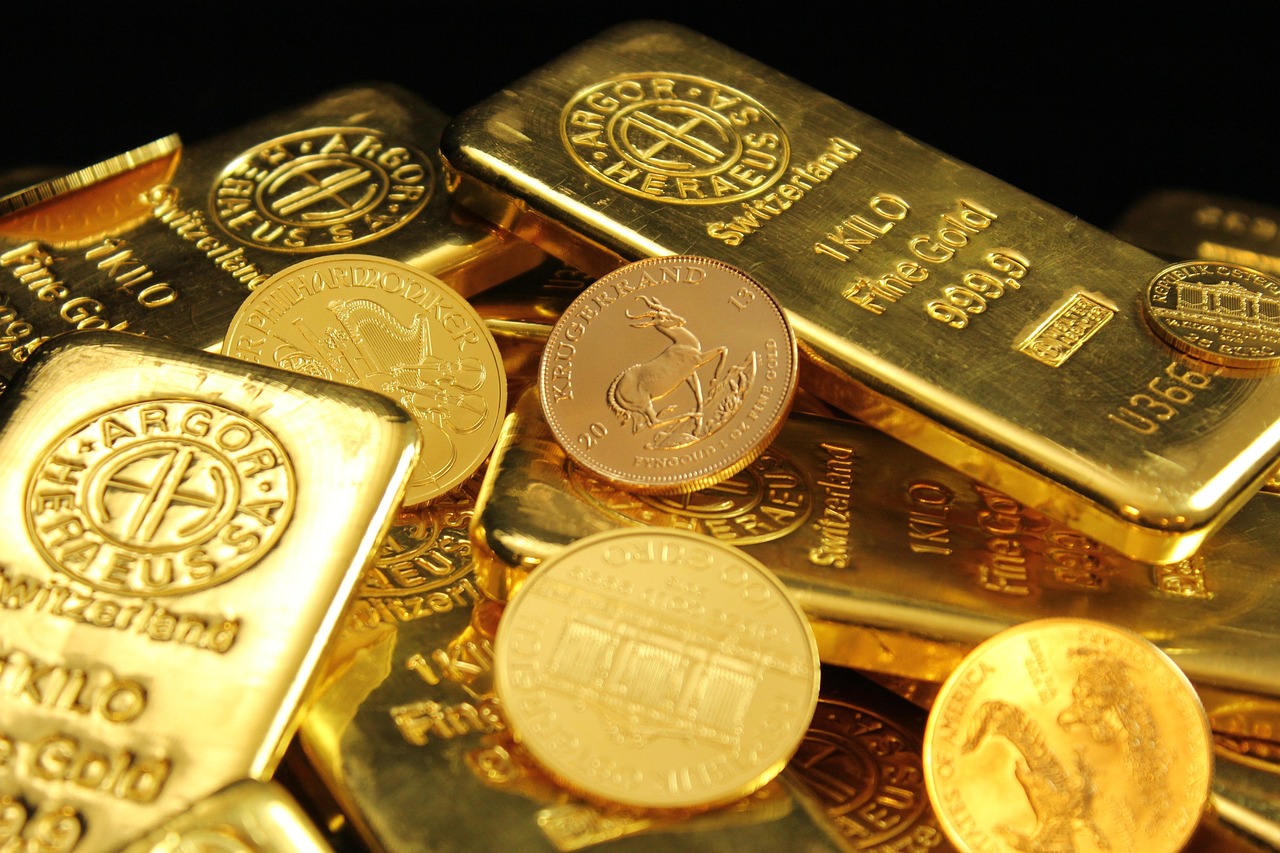
Gold recorded its strongest daily percentage gain in six months as a weaker US dollar, falling Treasury yields and renewed demand from Chinese buyers encouraged investors to return to precious metals.
Spot gold climbed more than 4% on Wednesday, August 5, reaching its highest level in nearly seven weeks. The front-month Comex contract settled at approximately $4,245.80 per troy ounce, gaining 3.7% during the session. The broader rally also lifted silver, while copper futures reached a record closing price of $6.703 per pound.
The moves reflected several overlapping market forces. Softer US employment data reduced expectations for tighter monetary policy, the dollar declined, Treasury yields moved lower and investors continued evaluating the economic consequences of Middle East diplomacy.
At the same time, copper benefited from tight global inventories and expectations that artificial-intelligence infrastructure will require substantially more electrical equipment, power networks and data-center construction.
For commodity investors, the key question is whether this was a temporary relief rally or the beginning of another sustained advance in gold, silver and industrial metals.

Why the Gold Price Jumped More Than 4%
Gold gained approximately 4.5% during Wednesday’s session, its strongest one-day performance in six months. It reached about $4,245 an ounce after trading closer to $4,030 at the beginning of the week.
The weaker dollar was an important driver.
Gold is priced internationally in US dollars. When the dollar declines, the metal becomes less expensive for buyers using euros, yen and other currencies. That can increase global demand and support prices.
The WSJ Dollar Index fell for a second consecutive session and closed at its lowest level since June 2. The decline followed changing expectations surrounding US interest rates and developments in the Middle East.
Falling bond yields also improved gold’s relative appeal. Bullion does not pay interest, so it can become less attractive when investors can earn high yields from government debt. Lower yields reduce that opportunity cost.
Gold’s move was further amplified by technical and speculative buying. Once the price recovered the closely watched $4,000 area, traders who had positioned for additional declines may have closed bearish positions.
This process, known as short covering, requires traders to purchase the asset they previously sold, potentially accelerating an upward move.
Softer Jobs Data Changes the Interest-Rate Debate
US private-sector employers added only 44,000 jobs in July, below market expectations. The report contributed to lower Treasury yields and reduced confidence that the Federal Reserve would raise interest rates at its next policy meeting.
Interest-rate expectations are particularly important for gold.
Higher rates normally support the dollar and increase the yield available from cash and government bonds. Both effects can pressure precious metals.
Lower rate expectations can produce the opposite result. They may weaken the dollar, reduce real yields and encourage investors to hold assets that do not generate regular income.
Markets were still divided over the Federal Reserve’s next decision, and one employment report does not determine monetary policy. Officials will also examine inflation, wage growth, consumer spending and the government’s broader labor-market report.
Gold investors should therefore avoid assuming that Wednesday’s move guarantees a prolonged rally. A stronger-than-expected employment or inflation release could reverse part of the decline in yields and strengthen the dollar again.
Chinese Demand Supports the Gold Market
Strong physical and speculative demand from China also contributed to the rally.
China is one of the world’s most important markets for gold, both through consumer purchases and institutional activity. Demand may rise when domestic investors seek diversification away from property, local equities or currency exposure.
Reuters identified Chinese buying as one of the factors behind Wednesday’s surge.
Central-bank demand can provide another source of structural support. Gold is often held as a reserve asset because it does not depend on the creditworthiness of a particular government or company.
However, physical demand can weaken when prices rise too quickly. Jewelry buyers may postpone purchases, while investors who bought at lower prices may take profits.
The sustainability of the latest move will therefore depend on whether demand remains strong above $4,200 per ounce rather than only during price declines.
Copper Reaches a New Record
Copper futures climbed 1.3% to a record settlement of $6.703 per pound. The metal had gained approximately 18.6% since the beginning of 2026 by Wednesday’s close.
CME data showed the active copper contract trading above $6.74 per pound after the record settlement, indicating that upward momentum continued in electronic trading.
Unlike gold, copper is primarily an industrial commodity.
It is used in electrical wiring, power grids, vehicles, construction, renewable-energy systems and electronic equipment. Its broad use has earned it the nickname “Dr. Copper” because traders often view its price as an indicator of global economic activity.
The current rally appears to reflect more than conventional economic growth.
Artificial-intelligence data centers require substantial quantities of copper for power distribution, cooling systems, networking infrastructure and connections to the electrical grid. Expansion of AI computing is therefore increasing expectations for long-term industrial demand.
AI Infrastructure Adds a New Copper Demand Driver
Major technology companies are spending hundreds of billions of dollars on servers, data centers and electricity infrastructure.
Although semiconductor processors receive most of the attention, those systems cannot operate without physical power connections. Copper is essential because it conducts electricity efficiently and can be used throughout buildings, substations and transmission networks.
The MarketWatch report linked copper’s record directly to continued optimism surrounding AI infrastructure investment. Mining shares also advanced, with Freeport-McMoRan and Southern Copper benefiting from higher metal prices.
Supply conditions have added to the pressure.
A major mine disruption, limited inventories outside the United States and tariffs have contributed to tighter availability. London Metal Exchange copper also traded above $14,000 per metric ton, while backwardation signaled immediate supply stress.
Backwardation occurs when the price for immediate delivery is higher than prices for future delivery. It can indicate that buyers are willing to pay a premium to obtain metal now.
Gold and Copper Are Sending Different Economic Signals
Gold and copper can rise for different reasons.
Gold often benefits from lower real interest rates, currency weakness, geopolitical uncertainty and demand for portfolio protection.
Copper normally benefits from expectations for stronger industrial activity, construction and manufacturing.
Their simultaneous rally suggests investors were responding to both easier financial conditions and structural demand for infrastructure.
However, the two markets could diverge.
A sharp global slowdown might support gold through safe-haven demand but weaken copper consumption. Stronger economic growth could support copper while placing upward pressure on interest rates and limiting gold.
Holding both metals can therefore expose an investor to different economic forces, although neither asset guarantees diversification during every market environment.
What Could Reverse the Metals Rally?
The first risk is a recovery in the US dollar.
Stronger economic data or more hawkish Federal Reserve commentary could push bond yields higher and reduce demand for gold.
Profit-taking is another possibility. Gold remains below its January 2026 record above $5,300 per ounce, but a gain of more than 4% in one session may attract short-term sellers.
Copper faces different risks.
High prices can weaken demand, encourage substitution and make additional mining projects more economical. A slowdown in Chinese construction or delayed AI data-center projects could also reduce expected consumption.
Tariffs may further distort US copper prices relative to international benchmarks. Investors should distinguish between a global supply shortage and a regional price premium caused by trade policy.
What Metals Investors Should Watch Next
The US employment report and upcoming inflation data will be central to the gold outlook. Softer data could reinforce expectations for lower rates, while stronger numbers may support the dollar and Treasury yields.
Investors should also monitor whether gold can remain above $4,200 and whether buying continues after the initial short-covering rally.
For copper, inventory data, mine disruptions and data-center capital expenditure will remain important. Continued backwardation and declining exchange inventories would indicate that supply remains tight.
The latest moves show that both monetary conditions and AI infrastructure are reshaping commodity markets. Gold is benefiting from a weaker dollar and lower yields, while copper is responding to a potentially long-lasting expansion in electricity and data-center demand.
FAQ
Why did the gold price surge?
Gold rose more than 4% as the US dollar weakened, Treasury yields declined, employment data softened and Chinese demand strengthened.
How high did gold rise?
Spot gold climbed to approximately $4,245 per ounce, its highest level in almost seven weeks. August Comex futures settled near $4,245.80.
What record did copper reach?
Comex copper futures settled at a record $6.703 per pound after gaining 1.3% during the session.
Why is AI increasing copper demand?
AI data centers require copper for electrical wiring, power distribution, cooling systems and grid connections, adding another major source of industrial demand.
What is the biggest risk to gold prices?
A renewed rise in the US dollar and Treasury yields could reduce gold’s appeal and reverse part of the latest rally.
Disclaimer: This article is for informational purposes only and does not constitute financial advice. Always conduct your own research before making any investment decisions.