
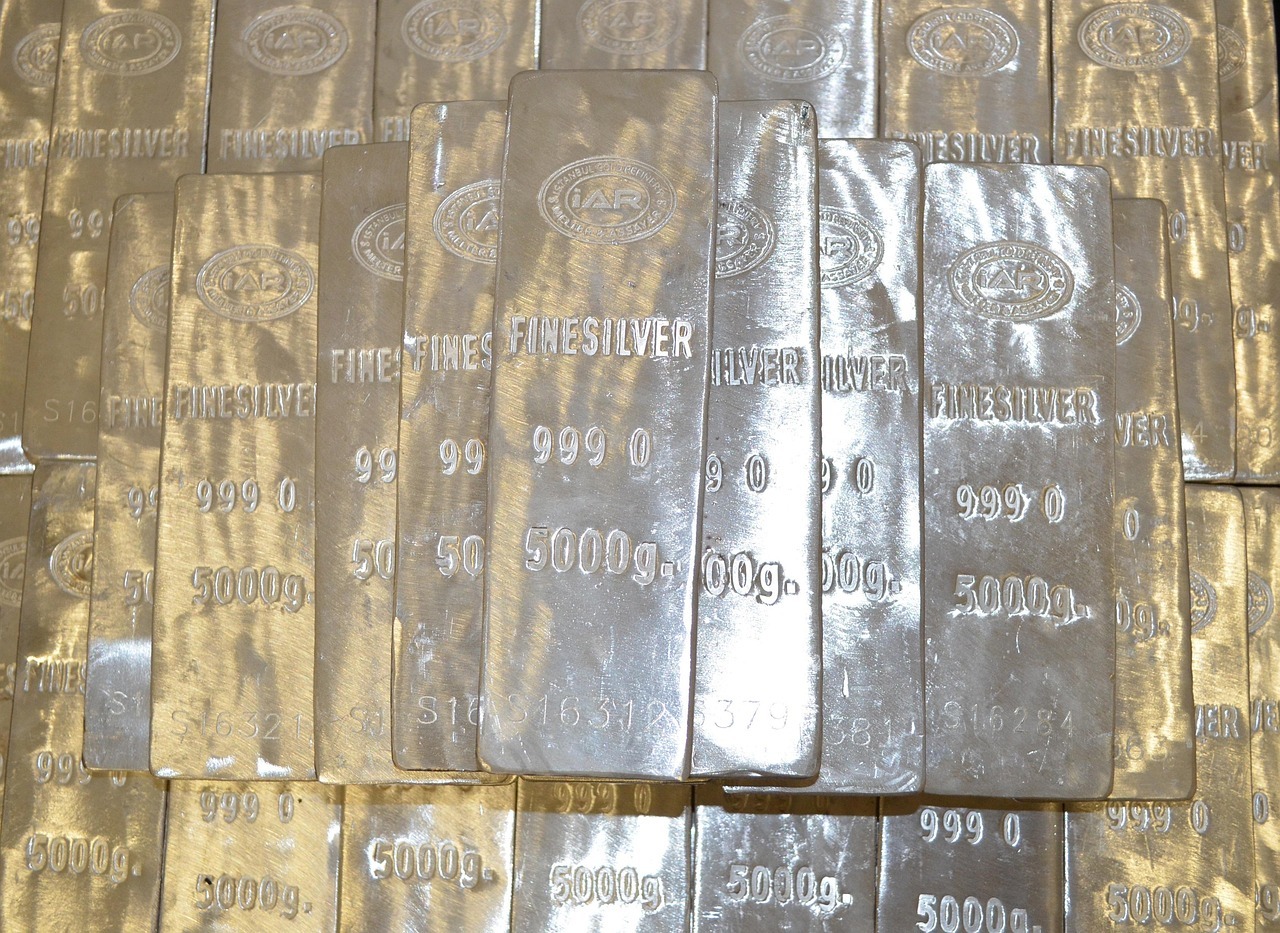
Silver extended its dramatic selloff on June 24, falling to its lowest level in approximately six months as a stronger U.S. dollar and growing expectations of Federal Reserve rate increases pressured precious metals.
The metal has now lost more than half its value since reaching a record $121.61 per ounce on January 29. It has also declined sharply from its June 2 level of $76.97, demonstrating how quickly sentiment has reversed across the silver market.
The silver price crash follows an extraordinary rally during 2025 and early 2026. That surge was driven by speculative buying, anticipated interest-rate cuts, supply concerns, and growing demand from solar-energy, electronics, and artificial-intelligence infrastructure applications. The same momentum is now working in reverse as investors unwind crowded positions and reassess the monetary-policy outlook.
How Far Has the Silver Price Fallen?
Spot silver traded near $58 to $61 per ounce during the June 24 session, depending on the pricing venue and time of measurement. U.S. silver futures experienced their largest one-day decline since early June, falling 6.4% to settle near $58.05 per ounce.
Reuters reported that silver dropped approximately 9.1% during the wider precious-metals selloff. Gold, platinum, and palladium also recorded substantial losses as investors moved away from non-yielding assets.
Related articles





The fall below $60 placed silver more than 50% beneath its January record. It was also down approximately 23% for June and around 17% since the beginning of 2026, despite remaining significantly above its level from one year earlier.
Silver’s decline has been much more severe than gold’s. That is not unusual. Silver is a smaller and less liquid market, meaning changes in investor positioning can produce larger percentage moves.
The metal also combines two different identities. It trades as a monetary asset alongside gold, but it is also an industrial commodity used in manufacturing. That dual role can amplify volatility when both financial and economic expectations change at the same time.
Federal Reserve Expectations Pressure Precious Metals
The Federal Reserve interest-rate outlook is one of the main reasons for the latest silver selloff.
Markets have moved away from expectations of near-term monetary easing and are increasingly considering the possibility of additional rate increases. Hawkish central-bank signals, resilient economic data, and inflation concerns have strengthened the U.S. dollar and reduced demand for precious metals.
Silver does not pay interest. When Treasury securities and cash offer higher yields, the opportunity cost of owning bullion increases. Investors can earn income from bonds or money-market products while silver relies entirely on price appreciation to generate a return.
Higher interest rates can also strengthen the dollar. Because silver is generally priced in dollars, a stronger U.S. currency makes the metal more expensive for buyers using euros, yen, pounds, or other currencies.
Gold fell below $4,000 per ounce during the same session, reaching its lowest level since November 2025. The coordinated decline indicates that monetary-policy expectations are affecting the entire precious-metals complex rather than silver alone.
The next major inflation releases and Federal Reserve communications could therefore play a central role in the short-term silver price forecast.
The January Rally Left Silver Vulnerable
Silver entered 2026 after gaining approximately 147% during 2025. The rally then accelerated in January, when the metal moved above $100 per ounce amid strong speculative interest and enthusiasm over industrial demand.
That increase created unusually stretched market conditions.
The Bank for International Settlements noted that silver doubled during 2025, gained more than 50% in early January, and then fell approximately 30% in a single day later that month. The scale of those moves illustrated the degree to which leveraged and momentum-driven trading had entered the market.
When a commodity rises rapidly, investors may use futures, options, leveraged ETFs, and borrowed capital to increase exposure. Those positions can produce forced selling when prices begin to decline.
A falling market triggers margin calls, stop-loss orders, and systematic trading signals. Selling then pushes prices lower, causing additional positions to be closed.
Silver’s latest decline may therefore reflect more than a change in fundamental demand. It may also represent the continued unwinding of speculative exposure accumulated during the record-setting rally.
Industrial Demand Still Supports the Long-Term Case
The collapse from January’s peak does not mean silver’s long-term demand drivers have disappeared.
Silver has the highest electrical conductivity of any metal, making it valuable in electronics, solar panels, electric vehicles, power-grid equipment, and advanced computing systems.
J.P. Morgan has highlighted industrial consumption as an important source of long-term demand and previously forecast that silver could average approximately $81 per ounce in 2026. The bank also warned that extremely high prices may eventually encourage manufacturers to reduce silver usage or develop alternatives.
The solar industry is especially important because photovoltaic cells require conductive silver paste. Electrification, renewable-energy construction, and data-center investment may continue supporting consumption even if investor demand remains weak.
Silver supply can also be slow to respond to price increases. Much of the world’s silver is produced as a byproduct of mining for copper, lead, zinc, or gold. Higher silver prices alone may therefore be insufficient to generate a rapid increase in mine output.
These structural factors could eventually establish price support. However, a physical supply deficit does not guarantee that prices will rise immediately. Futures positioning, the dollar, interest rates, economic growth, and ETF flows can dominate the market over shorter periods.
What the Selloff Means for Silver ETFs and Mining Stocks
Investors can access silver through physical bullion, futures, mining shares, and exchange-traded products such as physically backed silver ETFs.
Silver ETFs generally offer the simplest exposure through an online broker or stock trading platform. Their prices typically follow bullion, minus management fees and potential tracking differences.
Leveraged silver ETFs can produce multiples of the metal’s daily move, but they are designed primarily for short-term trading. Daily rebalancing and extreme volatility can cause significant losses when held for extended periods.
Silver mining stocks add another layer of risk. Mining companies are affected by production volumes, labor expenses, energy costs, political conditions, debt, and management decisions. Their shares can fall even when bullion is stable.
The recent silver price crash has therefore pressured both mining companies and precious-metals funds. Investors examining silver stocks to buy should distinguish between exposure to the commodity and exposure to an individual operating business.
For portfolio diversification, modest precious-metals exposure may behave differently from stocks and bonds. Concentrated positions in silver, however, can increase rather than reduce portfolio volatility.
Could Silver Recover From Its Six-Month Low?
A sustainable recovery would likely require improvement across several market drivers.
The first would be a weaker dollar. A decline in the U.S. currency would make silver less expensive for international buyers and could encourage renewed demand.
The second would be falling real interest rates. If inflation-adjusted bond yields decline, the opportunity cost of holding non-yielding assets would become less severe.
ETF inflows would provide another positive signal. Increased buying through physically backed funds could indicate that institutional and retail investors are returning after the selloff.
Industrial demand also matters. Continued strength in solar manufacturing, electronics, and power infrastructure could tighten the physical market even while financial demand remains subdued.
However, investors should not assume that a 50% decline automatically makes silver inexpensive. The January peak followed an exceptionally rapid rally and may not represent a reliable measure of fair value.
Volatility could remain high while markets debate whether the Federal Reserve will increase rates and whether global manufacturing activity can support industrial commodities.
What Investors Should Watch Next
Federal Reserve policy remains the most immediate catalyst. Stronger-than-expected inflation data could increase rate-hike expectations and place further pressure on silver.
The U.S. Dollar Index is another important indicator. Continued dollar strength would create an additional headwind for dollar-denominated commodities.
Investors should also follow silver ETF holdings, futures-market positioning, and physical-market premiums. These measures can show whether selling pressure is weakening or whether investors are continuing to reduce exposure.
Industrial data from China, Europe, and the United States will help clarify the demand outlook. Silver could face additional pressure if global manufacturing slows, even if supply remains limited.
The metal’s long-term industrial role remains significant, but the latest decline is a reminder that strong fundamentals do not eliminate trading risk. Silver can experience exceptionally large gains and losses over short periods, making position sizing and portfolio diversification essential.
FAQ
Why is the silver price falling?
Silver is falling because a stronger dollar, rising expectations of Federal Reserve rate increases, reduced demand for non-yielding assets, and the unwinding of speculative positions have created substantial selling pressure.
How far is silver below its record high?
Silver has fallen more than 50% from its January 29, 2026, record of $121.61 per ounce.
Is silver still in a supply deficit?
The physical silver market may remain structurally tight because of strong industrial demand and limited mine-supply growth. However, supply deficits do not prevent short-term declines caused by interest rates, currencies, and investor positioning.
Is silver ETF investing safer than buying mining stocks?
Silver ETFs generally provide more direct exposure to the metal, while mining stocks carry additional operational, financial, and geopolitical risks. Neither investment is free from volatility or potential losses.
Could silver prices rise again in 2026?
Silver could recover if the dollar weakens, real yields fall, ETF inflows return, or industrial demand remains strong. Forecasts are uncertain, and the metal’s recent volatility means investors should not treat any price target as guaranteed.
Disclaimer: This article is for informational purposes only and does not constitute financial advice. Always conduct your own research before making any investment decisions.