
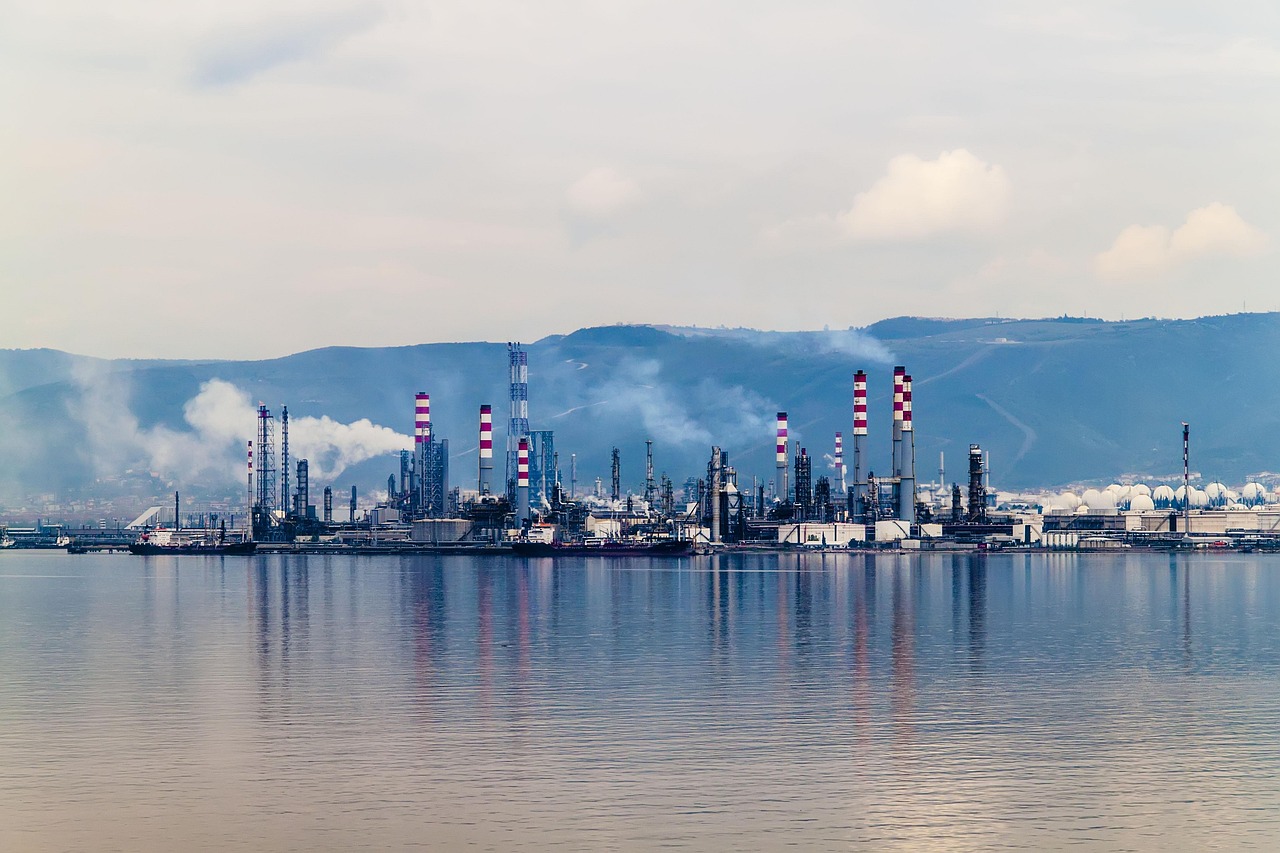
Wall Street is turning more bearish on oil prices after signs that Persian Gulf supply flows may recover faster than expected following progress toward a U.S.-Iran agreement. Major banks are lowering Brent crude forecasts as traders unwind the geopolitical risk premium that had supported crude during the Strait of Hormuz disruption.
The shift is already visible in the market. Brent crude recently traded near $78.81 per barrel, while U.S. West Texas Intermediate traded near $75.93, after two consecutive sessions of roughly 5% losses tied to expectations that the Strait of Hormuz could reopen. The waterway handles nearly 20% of global crude and LNG flows, making it one of the most important chokepoints in global energy markets.
For investors, the story has changed quickly. The market was recently focused on whether Middle East escalation could push crude sharply higher. Now the question is whether returning supply, softer risk premiums and weaker demand signals could push oil lower into the second half of 2026.
Goldman Sachs and Morgan Stanley Reset the Brent Crude Outlook
Wall Street’s forecast cuts show how quickly expectations are shifting. The Wall Street Journal reported that Goldman Sachs cut its fourth-quarter 2026 Brent crude forecast to $80 per barrel from $90, while lowering its 2027 average forecast to $75 from $80. Goldman now expects Persian Gulf exports to return to prewar levels by late July, about a month earlier than it previously assumed.
Morgan Stanley is taking a more cautious view on the recovery timeline, but it also sees lower prices ahead. The bank expects 50% of lost production to be restored by September, 80% by December, and full recovery in early 2027. Its Brent forecast now points to an average of $90 per barrel in the third quarter, falling to around $80 in the fourth quarter and remaining near that level through 2027.
Related articles




The core message from the banks is clear: the Persian Gulf disruption may not be as long-lasting as feared. If exports recover faster than expected, the oil market could move from shortage pricing to surplus pricing much sooner than energy bulls anticipated.
Why Persian Gulf Flows Matter So Much
The Strait of Hormuz is not just another shipping lane. It is one of the main arteries of the global oil system. When tanker traffic is restricted, prices rise because buyers worry about supply security. When traffic resumes, that risk premium can disappear quickly.
Reuters reported that the tentative U.S.-Iran deal reportedly includes reopening the Strait of Hormuz and allowing Iran to resume oil sales, while nuclear negotiations continue under a 60-day framework. However, maritime traffic had not fully normalized as of the latest reports, and analysts warned that it could take weeks or longer for flows to return to normal.
That means the near-term oil market may remain volatile. A diplomatic agreement can change expectations immediately, but physical oil logistics take time. Tankers must return, insurers must regain confidence, mines or security risks may need to be cleared, and port operations must normalize.
Goldman’s more optimistic view suggests exports can recover even if Hormuz traffic only returns to about 70% of normal levels, helped by alternative channels and higher output from Saudi Arabia and the United Arab Emirates.
Crude Prices Drop as the War Premium Unwinds
Oil’s recent selloff reflects the rapid unwinding of war-risk pricing. Reuters reported earlier this week that Brent fell about 5% to roughly $82.95, while WTI dropped to about $80.28, after news of the U.S.-Iran peace deal and expectations that Hormuz could reopen.
Prices then weakened further, with Brent slipping below $80 as traders considered the possibility of additional Iranian supply returning to global markets. Reuters also reported that the U.S. may waive sanctions on Iranian oil, potentially adding meaningful supply and easing inflation concerns.
That is the key reason banks are cutting forecasts. The oil market had priced in the risk of constrained supply. If that constraint eases, prices need to adjust lower unless demand accelerates or OPEC+ responds with tighter production discipline.
Oversupply Risk Is Back on the Table
The biggest risk for oil bulls is that the market moves back into oversupply. Fitch has warned that the oil market could return to surplus once Hormuz flows normalize, arguing that the recent disruption was a temporary logistical shock rather than a structural tightening of supply.
This matters because crude prices are determined by marginal changes in supply and demand. If Iranian barrels return, Persian Gulf flows normalize, U.S. exports remain strong and Chinese demand stays weak, the market could face more supply than it needs.
Reuters reported that China’s refining activity dipped in May, adding another bearish demand signal at a time when supply expectations are improving.
A weaker demand backdrop makes supply recovery more important. If demand were booming, returning barrels might be absorbed easily. But if demand is soft, additional barrels can pressure prices quickly.
Why Oil May Not Collapse Immediately
The bearish shift is significant, but investors should not assume oil prices will fall in a straight line. Morgan Stanley’s slower recovery forecast highlights the practical obstacles to restoring Persian Gulf flows. Storage tanks need to clear, tankers need to return to the region, insurance markets need to normalize, and buyers need confidence that the agreement will hold.
Business Insider reported that some analysts believe oil markets may not fully return to normal for months, citing logistical delays, shipping insurance concerns and infrastructure damage in parts of the Gulf region.
That creates a two-sided setup. Forecasts are falling because the direction of travel is bearish, but prices may still bounce if the reopening process is slower than expected or if geopolitical tensions flare again.
What Lower Oil Means for Energy Stocks
Energy stocks now face a tougher backdrop. Exploration and production companies tend to be highly sensitive to crude-price expectations. If Brent settles closer to $75–$80 instead of $90–$100, earnings estimates, free cash flow and shareholder-return assumptions could come under pressure.
Oilfield-service companies may also feel the impact if producers reduce drilling or completion activity. Integrated majors may be more resilient because they have refining, chemicals, LNG and trading operations, but even they are not immune to lower benchmark crude prices.
For investors using energy ETFs or commodity-linked portfolio diversification strategies, the key issue is whether oil’s geopolitical premium has permanently reset. If the market shifts from conflict risk to supply recovery, energy exposure may no longer provide the same short-term inflation hedge it did during the crisis.
Lower Crude Could Help Inflation and the Fed
Lower oil prices are not bad news for every part of the market. Falling crude can reduce headline inflation, ease pressure on consumers and lower input costs for transportation, airlines, chemicals and some consumer companies.
Reuters reported that lower oil prices have already helped reduce inflation concerns and supported bond markets, with Treasury yields moving lower as traders assessed the possible return of Iranian supply.
That could matter for the next Fed interest rate decision. If energy prices keep falling, headline inflation may cool, giving policymakers more room to stay patient. However, the Fed will still focus on core inflation, wages and services prices, not oil alone.
What Investors Should Watch Next
The first major factor is the actual pace of Hormuz normalization. If tanker traffic resumes quickly, Brent crude could remain under pressure. If flows stall, oil may regain some risk premium.
The second factor is Iranian export volume. Any sanctions relief or waiver that allows more Iranian barrels into the market would strengthen the bearish supply case.
The third factor is OPEC+ policy. If prices fall too far, major producers may try to defend the market through output restraint.
The fourth factor is Chinese demand. Weak refinery runs or slower industrial activity would make it harder for the market to absorb returning supply.
The fifth factor is bank forecast revisions. If more Wall Street banks follow Goldman and Morgan Stanley lower, investor sentiment toward crude and energy stocks could weaken further.
Bottom Line: Oil’s Narrative Has Flipped From Scarcity to Supply Recovery
The oil market has undergone a sharp narrative reversal. Just weeks ago, investors were focused on war risk, Hormuz disruption and the possibility of crude moving much higher. Now Wall Street banks are cutting forecasts because Persian Gulf flows may recover faster than expected.
Goldman sees Brent falling toward $80 in the fourth quarter and $75 in 2027, while Morgan Stanley expects a slower recovery but still sees Brent easing toward $80 after the third quarter. That puts pressure on energy stocks and oil-linked trades, but it could help inflation expectations and broader risk sentiment.
For investors, the message is simple: oil prices are no longer trading mainly on fear of shortage. They are starting to trade on the risk of returning supply.
FAQ
Why are Wall Street banks cutting oil-price forecasts?
Banks are cutting forecasts because Persian Gulf oil flows may recover faster than expected after progress toward a U.S.-Iran agreement and a possible reopening of the Strait of Hormuz. Goldman Sachs now expects Persian Gulf exports to return to prewar levels by late July.
What is Goldman Sachs’ new Brent crude forecast?
Goldman Sachs cut its fourth-quarter 2026 Brent forecast to $80 per barrel from $90 and lowered its 2027 average forecast to $75 from $80.
What is Morgan Stanley’s oil forecast?
Morgan Stanley expects Brent crude to average around $90 per barrel in Q3 2026, then fall to about $80 in Q4 and remain near that level through 2027.
Why is the Strait of Hormuz important for oil prices?
The Strait of Hormuz is a key route for nearly 20% of global crude and LNG flows. Any disruption can raise prices, while reopening can remove geopolitical risk premium from the market.
What could make oil prices rise again?
Oil could rise again if the U.S.-Iran deal breaks down, Hormuz traffic normalizes more slowly than expected, OPEC+ cuts output, demand improves, or shipping and insurance problems keep supply constrained.
Disclaimer: This article is for informational purposes only and does not constitute financial advice. Always conduct your own research before making any investment decisions.