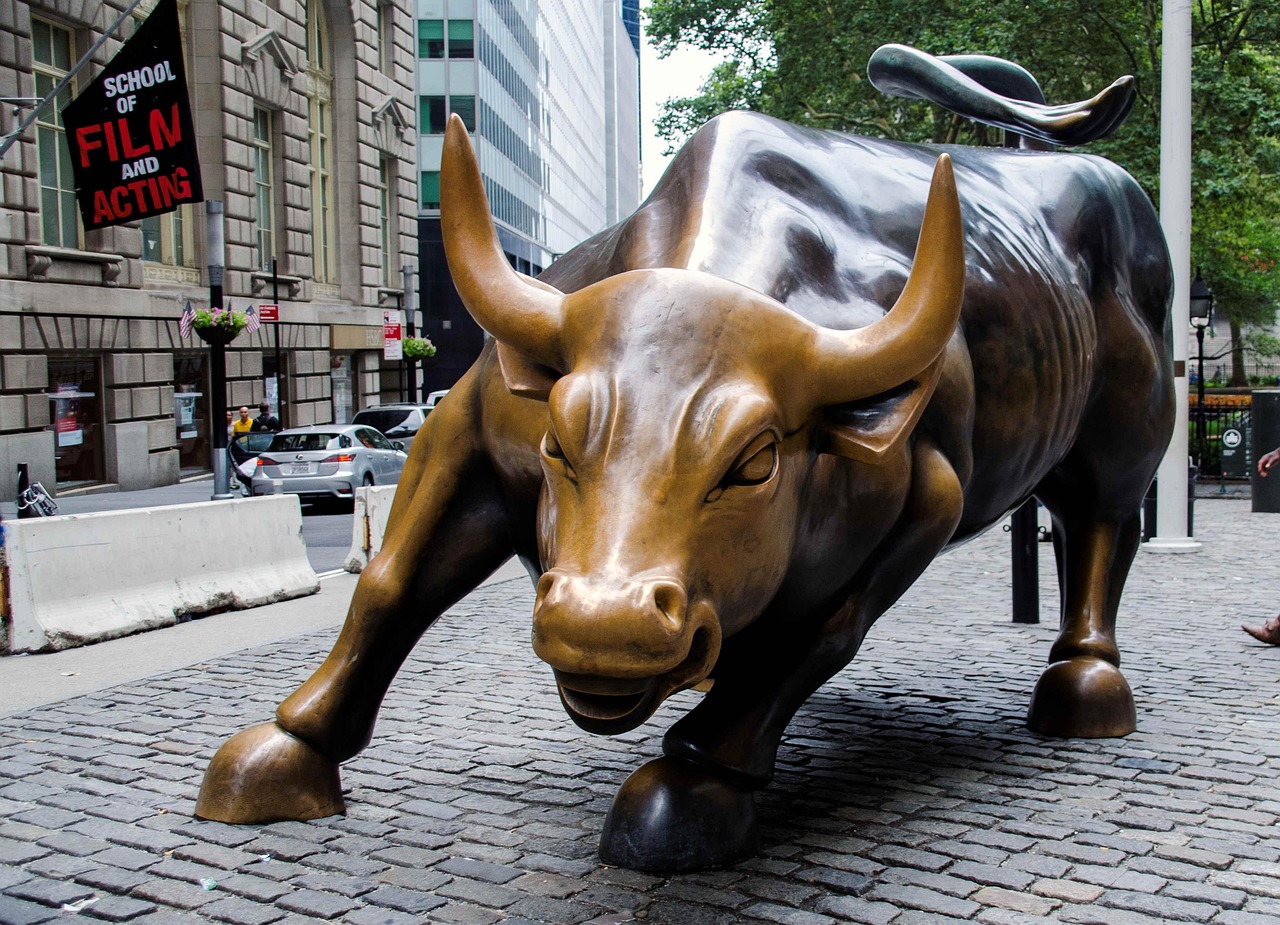
U.S. equities moved sharply higher on March 31 as investors responded to a possible shift in the Iran war, giving Wall Street a badly needed relief rally after a brutal stretch of losses. The move was driven by renewed hopes that the conflict may not escalate much further, which helped ease pressure from oil prices and Treasury yields at the same time. At the open, the Dow rose about 0.7%, the S&P 500 gained roughly 0.8%, and the Nasdaq climbed around 1.3%.
Why Stocks Are Rallying
The main reason for the rebound is that the market is reacting to a potential de-escalation in the Middle East. Investors had spent the past several sessions pricing in a longer war, tighter oil supply, and a more damaging inflation shock. Once that assumption softened, even slightly, buyers came back into equities. The rally makes sense because the selloff had become heavily driven by war risk rather than by a sudden collapse in corporate fundamentals.
This is the same pattern seen earlier in the conflict: whenever the market senses that military pressure may ease, risk appetite improves quickly. The reason is straightforward. Less war risk can mean lower oil, calmer inflation expectations, and less pressure on central banks to stay restrictive for longer.
Oil Is Still the Key Market Driver
The equity rebound is tightly linked to the oil market. During the war, oil became the clearest transmission mechanism between geopolitics and stocks. When crude surged, investors feared higher inflation, tighter monetary policy, weaker consumer demand, and margin pressure for many sectors. When oil stopped climbing as aggressively, equities got immediate relief. AP noted that stocks jumped as oil’s spike slowed, while market participants treated that stabilization as a sign that the macro pressure might not worsen right away.
That does not mean the oil problem is solved. The broader energy backdrop remains fragile, and forecasts for 2026 crude prices have been revised sharply higher because of the war and the disruption tied to the Strait of Hormuz. Analysts are still discussing scenarios where Brent could move dramatically higher if the disruption lasts into April. In other words, the stock rally reflects relief, not resolution.
The Nasdaq Is Leading Because Yields and Risk Appetite Matter Most There
The Nasdaq outperformed the Dow and S&P 500 because it had the most to gain from a temporary easing in macro pressure. Technology and other high-growth sectors are especially sensitive to bond yields and broad risk sentiment. After entering correction territory last week, the index was in a position where even a modest improvement in the geopolitical outlook could trigger a stronger rebound than the broader market.
This is important because the recent selloff in tech was never just about valuations. It was also about the fear that higher oil would keep inflation hot and push yields higher. Once that fear eased, at least for the day, growth stocks immediately found support.
Falling Yields Helped the Rally Feel More Durable
Another reason the move looked stronger than a simple headline bounce is that Treasury yields also eased. AP said the 10-year yield fell to around 4.30%, which matters because lower yields reduce pressure on stock valuations, especially in technology and communication services. When oil, yields, and war anxiety all move in a friendlier direction at once, equities tend to respond powerfully.
That cross-asset reaction is critical. A stock rally backed by softer yields and less frantic oil pricing tends to look healthier than a rally driven only by short covering. It suggests that the market is repricing macro risk, not merely reacting emotionally to one headline.
This Is Still a Relief Rally, Not a Full Reset
Even with the sharp gains, the larger market damage has not disappeared. The major indexes are still coming off one of their weakest months in years, and the broader tone remains fragile. The same Reuters report that described Tuesday’s rally also noted that the S&P 500 and Dow were still heading for their biggest monthly declines in years. That context matters because it shows how much stress had built up before this rebound arrived.
The market is essentially saying that conditions may be getting less bad, not that everything is suddenly good again. If the war headlines turn negative, oil resumes climbing, or the diplomatic signals prove unreliable, the rally could fade quickly. That has been the pattern throughout this conflict. Optimism has helped repeatedly, but only temporarily, whenever traders were not convinced that de-escalation was real.
Which Stocks and Sectors Benefit Most
The immediate winners in this kind of setup are usually the areas that were hit hardest by the oil-and-war trade. That includes technology, travel, and other fuel-sensitive or rate-sensitive segments. AP highlighted gains in cruise and airline names as oil pressure eased, while tech also led the advance. This sector pattern fits the broader logic of the day: investors moved back into assets that suffer most when inflation and energy fears intensify.
Energy stocks can react differently in this environment. If the market believes de-escalation will bring crude down, some of the recent support for oil producers may weaken. That creates a rotation effect, where money moves out of pure energy winners and back into growth and consumer-linked names.
What Investors Should Watch Next
The next step depends on whether the de-escalation story gains real credibility. Investors will be watching three things closely: oil prices, Treasury yields, and whether political signals around Iran become more consistent. If crude continues to settle and yields drift lower, the current rebound could extend. If oil resumes climbing or the diplomatic tone hardens again, the market may return quickly to defense.
The key point is that stocks are still trading the war through the lens of inflation and rates. As long as that remains true, every change in the geopolitical story will keep rippling through equities, bonds, and commodities at the same time.
Conclusion
The rally in U.S. equities reflects a simple market instinct: when the risk of a longer Iran war appears to ease, investors quickly reprice stocks higher. That is especially true after a month in which oil, yields, and war fears pushed the major indexes sharply lower. The move is meaningful because it shows how much bad news had already been priced in. But it is still best understood as a relief rally built on de-escalation hopes, not yet as proof that the broader market shock is over.
FAQ
Why did U.S. stocks rally today?
Because investors reacted positively to signs that the Iran war may begin winding down, which eased pressure from oil prices and inflation fears.
Which index gained the most?
The Nasdaq led the move, rising about 1.3% at the open, ahead of the S&P 500 and Dow.
Why does oil matter so much for stocks right now?
Because higher oil feeds inflation concerns, lifts input costs, and raises the risk of tighter monetary policy, all of which hurt equities.
Is this the start of a lasting rebound?
Not necessarily. The move looks more like a relief rally for now, and it still depends on whether de-escalation becomes credible and oil remains contained.
Disclaimer
This article is for informational purposes only and does not constitute investment advice, financial advice, or a recommendation to buy or sell any security.