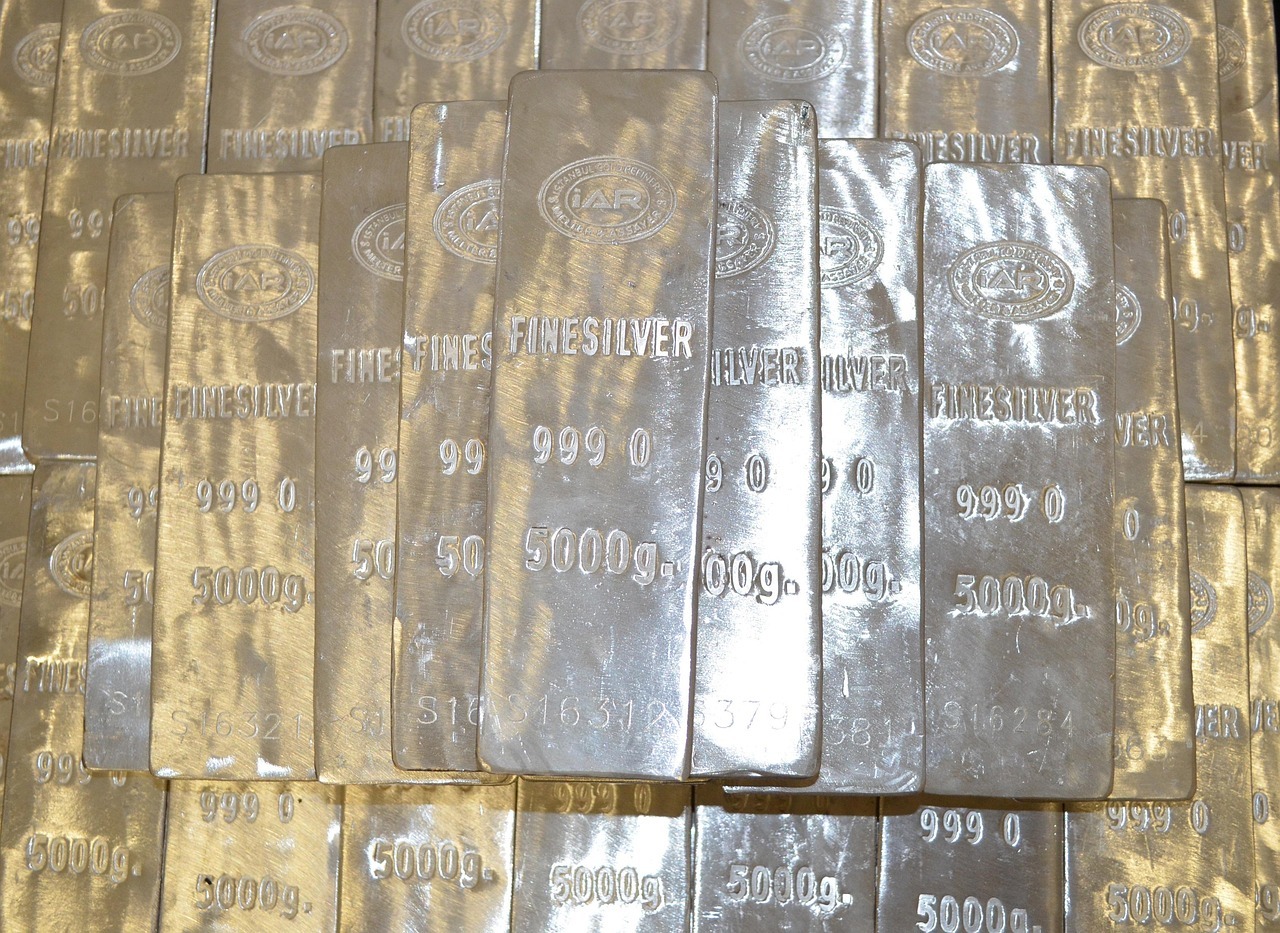
Silver prices regained some ground on Tuesday but remained far below the record highs reached in late January, as investors reassessed the metal after one of the most violent swings seen in the precious metals complex this year. Spot silver rose 1.1% to $69.86 an ounce on March 24, after a bruising selloff that followed January’s speculative surge.
From Record-Breaking Rally to Violent Reversal
The scale of silver’s rise earlier this year was extraordinary even by the metal’s notoriously volatile standards. Reuters reported on January 23 that spot silver had surged above $100 an ounce for the first time, trading around $101 and marking a gain of roughly 40% since the start of 2026 after already rallying 147% in 2025. The advance accelerated further by January 29, when spot silver hit a record high of $121.64 an ounce.
But the rally quickly turned into a brutal correction. By February 2, Reuters said silver had dropped to $76.81 an ounce, after falling as much as 15% intraday, leaving the metal down roughly 37% from the previous week’s record. Reuters later described silver as the “Cinderella metal,” noting that it had climbed to an all-time high of $121.6 on January 29 before plunging more than 25% the next day in one of the steepest reversals in decades.
Why the Rally Lost Momentum
The main force behind the initial surge was not just traditional precious-metals demand, but a powerful wave of speculative buying. Reuters reported that fear of missing out, strong retail participation and a broader rush into metals helped drive silver’s price action well beyond levels that many analysts considered justified by near-term fundamentals. As momentum built, silver began trading less like a steady industrial metal and more like a high-beta macro asset.
That same speculative structure made the market especially vulnerable once sentiment turned. Reuters linked the reversal to fading hopes for aggressive U.S. interest-rate cuts, a steadier dollar and profit-taking after the record-breaking rally. Higher margin requirements at CME Group also added pressure in early February, intensifying the liquidation and amplifying the drop in both gold and silver.
Silver Remains More Volatile Than Gold
Silver’s behavior in 2026 has once again underlined why it often moves more dramatically than gold. Unlike gold, silver is driven by a mix of investment demand and industrial use in sectors such as electronics and solar panels. That dual role can make it more explosive on the upside during risk-on and inflationary phases, but also more fragile when traders rapidly cut exposure. Reuters reported in February that after years of boom conditions, gold and silver appeared to be entering a more typical commodity-bust phase, with silver showing especially sharp speculative swings.
The latest market backdrop has reinforced that volatility. While gold has also come under pressure from higher-for-longer rate expectations and inflation worries tied to the Middle East conflict, silver has had the additional burden of being seen as a more speculative trade. On March 24, even as gold steadied after a four-month low, silver’s bounce to $69.86 still left it dramatically below the late-January peak, highlighting how much risk appetite had drained from the market.
Industrial Demand Offers Support, but Not Immunity
Silver’s long-term case is not entirely dependent on speculative enthusiasm. Reuters reported on February 10, citing the Silver Institute, that global silver demand is expected to remain broadly steady in 2026. Physical investment is forecast to rise 20% to 227 million ounces, helping offset weaker industrial fabrication, jewellery demand and silverware demand. The market is also expected to post a sixth consecutive structural deficit, with supply rising to 1.05 billion ounces but still not fully eliminating the imbalance.
Even so, the same report suggested that industrial silver fabrication could decline by 2% to a four-year low of 650 million ounces, partly because manufacturers are using less silver and increasingly substituting away from it in the photovoltaic sector. That means silver still has a fundamental support base, but not one strong enough to shield it from major speculative booms and busts.
What Comes Next
The next direction for silver will likely depend on whether the dollar remains firm, whether U.S. rate-cut expectations recover later in the year and whether investor appetite for precious metals returns after the January-February shock. Reuters’ February poll of analysts raised the average 2026 silver price forecast to $79.50 an ounce, but it also warned of continued volatility after silver’s spike to $121.64 and subsequent retreat.
For now, silver appears to be transitioning from a momentum-driven frenzy into a more uncertain consolidation phase. Prices remain historically elevated relative to earlier years, but the market is no longer trading on a one-way narrative. Instead, silver is being pulled between macro pressures, speculative positioning and a still-supportive, though softer, structural demand picture.
Conclusion
Silver’s 2026 price action has been defined by extremes. A record-breaking rally above $120 an ounce in January gave way to a rapid collapse as speculative fever cooled, the dollar firmed and the market reassessed the outlook for U.S. rates. Although silver has recovered from its deepest lows, it remains one of the most volatile major metals, with price swings far larger than those seen in gold.
FAQ
Why did prices fall so sharply after January’s rally?
Because the rally was heavily driven by speculative buying, and once rate-cut hopes faded, the dollar steadied and margin pressure increased, the market reversed violently.
What was 2026 record high?
Spot silver hit an all-time high of $121.64 an ounce on January 29, 2026.
What is the latest price?
On March 24, 2026, spot silver was up 1.1% at $69.86 an ounce.
Does the metal still have long-term support?
Yes. The Silver Institute, said physical investment is expected to rise in 2026 and the market is on track for a sixth straight structural deficit, although industrial demand is softening.
Disclaimer
This article is for informational purposes only and does not constitute investment advice, financial promotion or a recommendation to buy or sell any asset. Commodity markets are volatile, and past price moves are not a reliable indicator of future performance.