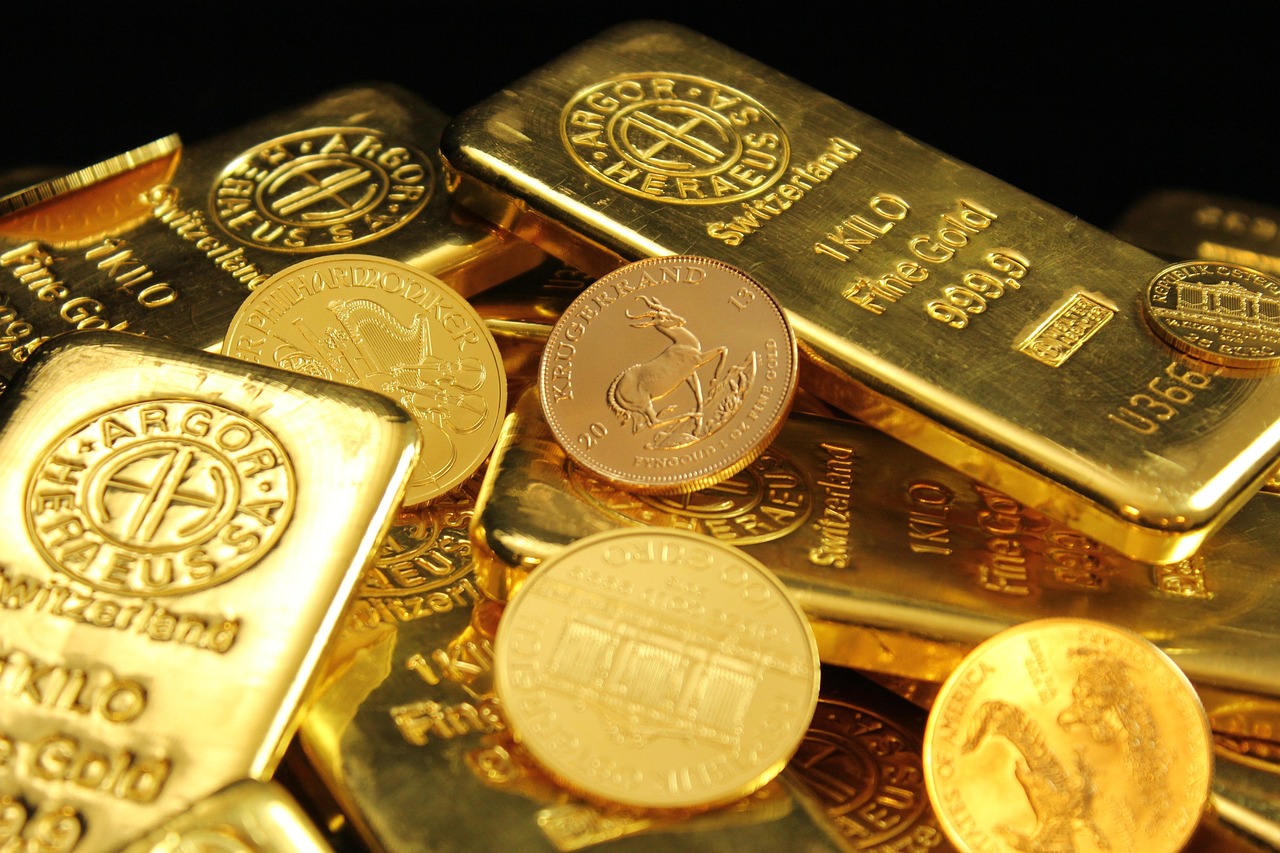
Gold is back in the spotlight after spiking above the $5,400/oz mark powered by a classic “risk-off” wave. The catalyst: a sharp escalation in the U.S.-Israel-Iran conflict, which rattled global markets and pushed investors toward traditional safe-haven assets.
In periods when geopolitical uncertainty rises suddenly—and the range of outcomes widen the metal often becomes the market’s “default hedge.” That dynamic is playing out now, as traders weigh not just immediate headlines, but the potential for prolonged disruption across energy routes, inflation expectations, and broader financial conditions.
Why Gold Is Rallying Now
The move above $5,400 is being driven by three overlapping forces:
1) Safe-haven demand on conflict escalation
The latest regional developments increased fears of a wider confrontation and knock-on effects across global trade and capital markets. When equities wobble and volatility rises, allocators often reach for gold because it is liquid, globally priced, and historically resilient during crisis regimes.
2) Inflation risk via energy and transport disruption
Geopolitical flare-ups in the Middle East can quickly spill into energy markets, and markets tend to reprice inflation risk even before supply disruptions become fully visible in official data. Higher oil prices, shipping constraints, and insurance costs can all raise the probability of “sticky” inflation—an environment where gold can outperform as an alternative store of value.
3) Positioning and momentum in a high-price regime
At these levels, it is also trading like a momentum asset. Once major psychological thresholds (like $5,400) break, systematic strategies and short covering can amplify the move. That doesn’t mean fundamentals don’t matter—but it does mean price action can run “hot” for short stretches, then snap back just as quickly if headlines cool.
Key Levels to Watch (XAUUSD)
With gold trading at historically elevated levels, investors are paying close attention to a few technical and sentiment markers:
- $5,400: The new headline level. Holding above it supports bullish momentum and encourages dip-buying.
- Recent swing highs near the upper $5,500s: A zone that matters for breakout continuation. A decisive push through that area could invite fresh trend-following flows.
- Pullback risk toward the low-to-mid $5,300s: In fast headline-driven markets, retracements are common if risk sentiment stabilizes or the U.S. dollar strengthens.
A practical takeaway: expect wider daily ranges than investors are used to from older, lower-price regimes. Position sizing and risk controls matter more than “being right.”
How Investors Can Get Exposure (Without Buying Bars)
Many investors prefer gold exposure through liquid vehicles rather than physical metal. Common routes include:
Gold ETFs (Spot-Linked)
- SPDR Gold Shares (GLD) and iShares Gold Trust (IAU) are widely used for broad spot exposure.
- Sprott Physical Gold Trust (PHYS) is another option often cited by investors who prefer structures tied closely to vaulted physical holdings.
“Levered” and Tactical Tools (Higher Risk)
- Leveraged products can magnify gains but also losses—especially in volatile, headline-driven markets. These are generally more suitable for short-term tactical traders with strict risk management.
Gold Miners (Indirect Exposure)
Mining stocks can outperform the metal itself in bullish cycles, but they also carry equity risk, cost inflation risk (labor, diesel), jurisdiction risk, and operational risk. In conflict-driven rallies, miners don’t always track gold perfectly—especially if markets are broadly de-risking.
What Could Reverse the Rally?
Even when gold is acting like the market’s safety blanket, there are clear factors that can reduce demand:
- De-escalation signals that calm risk markets and pull money back into equities and high-yield credit
- A stronger U.S. dollar (often a competing safe haven) which can pressure dollar-priced gold
- Higher real yields if markets reprice monetary policy expectations toward tighter conditions
- Profit-taking after sharp gaps higher, especially when positioning becomes crowded
In other words, gold can remain structurally supported while still experiencing sharp corrections—particularly when moves are driven by news intensity.
Conclusion
Gold’s surge above $5,400/oz underscores how quickly capital rotates when geopolitical risk spikes. The rally reflects immediate safe-haven demand, rising inflation uncertainty through energy channels, and momentum-driven positioning in a high-volatility environment. For investors, the key is not simply deciding “gold up or down,” but choosing the right exposure—spot ETFs, trusts, miners, or tactical instruments—while respecting risk. If the conflict remains unresolved and inflation concerns persist, gold may stay bid; if headlines cool and the dollar firms, expect turbulence and pullbacks.
FAQ
Why does gold rise during wars or geopolitical crises?
Because investors seek assets perceived as stable stores of value when uncertainty increases and risk assets (like stocks) become more volatile.
Is $5,400 “too expensive” to buy?
Price alone doesn’t determine value. What matters is the regime: inflation expectations, real yields, the U.S. dollar, and crisis intensity. High prices can still go higher—but risk also rises.
What’s the easiest way to invest?
Many investors use gold ETFs such as GLD or IAU for liquid exposure that tracks spot prices without storing physical metal.
Do miners move the same as gold?
Not always. Miners can amplify gold moves but also carry stock-market risk and company-specific operational costs and disruptions.
What should I watch next?
Geopolitical headlines, oil prices, the U.S. dollar trend, real yields, and major support/resistance levels in XAUUSD.
Disclaimer
This article is for informational and educational purposes only and does not constitute investment advice, a recommendation, or an offer to buy or sell any security. Markets are volatile, especially during geopolitical events. Past performance is not indicative of future results. Consider your financial situation, risk tolerance, and objectives, and consult a qualified financial advisor before making investment decisions.