
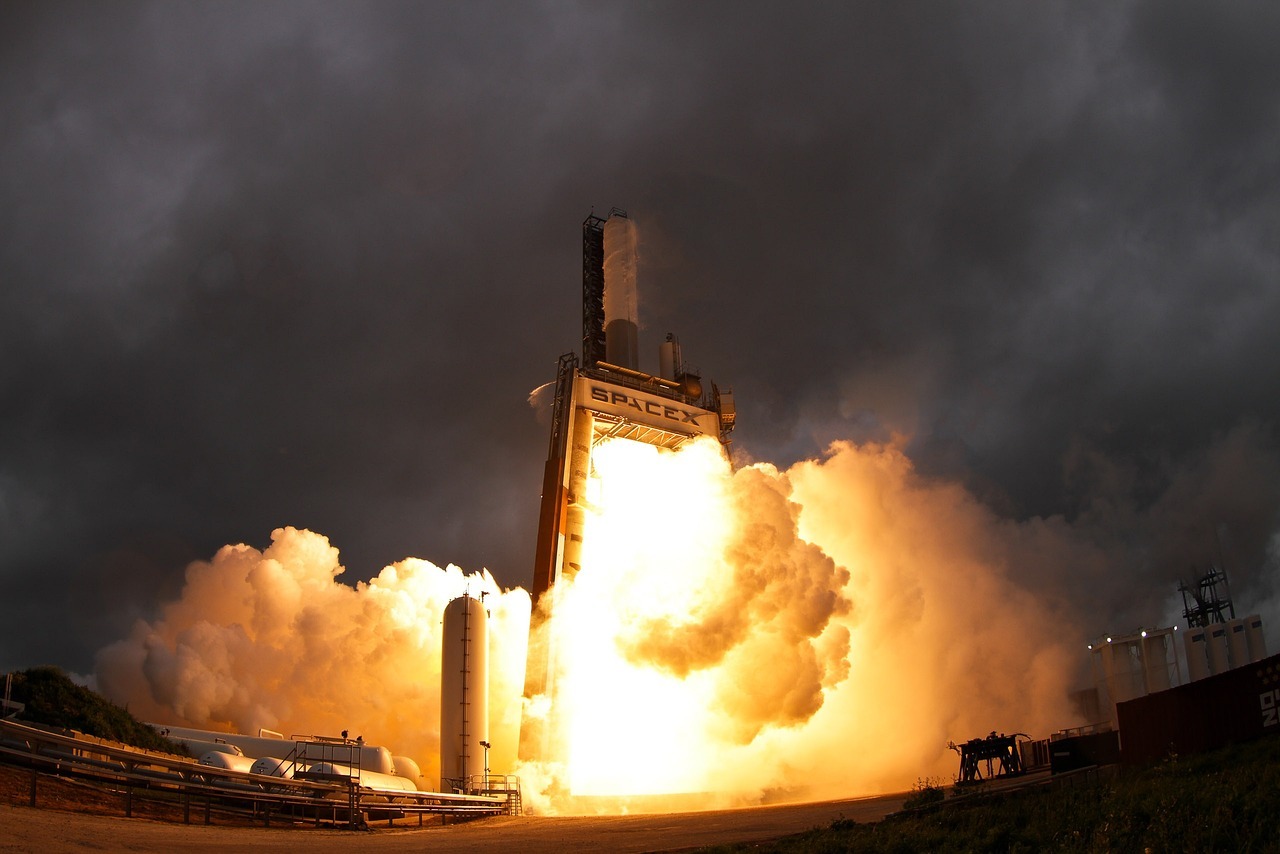
SpaceX’s record-setting public debut may have done more than create one of the most valuable listed companies in the world. It may have reopened a door Wall Street has been waiting years to unlock: the return of large-scale capital markets activity.
The SpaceX IPO raised $75 billion, making it the largest initial public offering on record, according to Reuters. The listing valued Elon Musk’s rocket, satellite and AI-linked infrastructure company at roughly $1.77 trillion, immediately putting SpaceX among the largest publicly traded companies in the United States.
For investment banks, asset managers, private companies and retail investors, the message is clear. Public markets still have the capacity to absorb enormous growth-company offerings when the asset is scarce, the brand is powerful and the story is large enough to attract both institutional and individual demand.
Why Wall Street Is Calling This a Capital Markets Reopening
Wall Street has spent the past several years waiting for a true revival in IPOs, secondary offerings and major equity financings. Higher interest rates, volatile technology valuations, geopolitical risk and uneven post-IPO trading kept many private companies on the sidelines.
SpaceX changes the tone. The deal proved that investors are still willing to commit major capital to a high-growth technology platform, even at a valuation that would have seemed almost unimaginable in a more cautious market. Reuters described the listing as the largest IPO ever, while also noting the intense retail-investor interest surrounding the deal.
Related articles





That is why analysts are framing the SpaceX debut as a potential turning point. A successful listing of this size gives other private companies a market reference point. It tells late-stage technology, AI, fintech, defense-tech and space-infrastructure companies that public investors may be ready to buy growth again, provided the story is compelling enough.
The IPO Market Needed a Flagship Deal
Capital markets often reopen gradually, then suddenly. Smaller deals can test investor demand, but a flagship IPO can reset sentiment.
SpaceX provided exactly that. The company combines reusable rockets, Starlink satellite broadband, government and defense contracts, potential AI compute exposure and one of the most recognizable founders in global business. That made the IPO a rare scarcity asset.
Reuters noted that the deal raised $75 billion and created a valuation of about $1.77 trillion. The scale of the transaction means it did not merely test demand from a small group of IPO specialists. It tested demand from global institutions, index-focused investors, hedge funds, retail traders and long-only growth funds.
A successful transaction at that size strengthens the argument that the IPO window is reopening. It also gives investment banks a powerful talking point when pitching other companies that have delayed listings.
AI and Tech Listings Could Be Next
The next question is whether SpaceX is a one-off event or the start of a broader wave. Reuters’ Morning Bid noted that the week’s market conversation included not only SpaceX’s historic IPO, but also reports that OpenAI and Anthropic had confidentially filed for IPOs, signaling a possible wave of major technology listings.
That matters because the private-market pipeline is unusually large. Many of the most important AI, software, fintech and infrastructure companies have remained private for longer than prior generations of technology leaders. If SpaceX performs well in public markets, pressure may rise on other late-stage companies to list while investor demand is strong.
The capital markets reopening thesis is especially important for AI. Generative AI companies require enormous funding for compute, talent, data centers and infrastructure. Public markets can provide a much larger capital base than private rounds alone. If investors remain willing to fund AI growth stories, the next phase of the AI boom may move from private fundraising to public listings.
Retail Investors Played a Bigger Role
One reason the SpaceX IPO drew so much attention was its unusual retail-investor angle. Reuters reported that SpaceX considered allocating up to 30% of the offering to individual investors, much higher than the roughly 10% often seen in traditional IPOs. BlackRock also reportedly sought to buy at least $5 billion of shares, according to Reuters citing the Wall Street Journal.
That combination of retail access and institutional demand is important. It shows how modern capital markets are changing. Major IPOs are no longer only institutional events controlled by large asset managers and investment banks. Retail investors using online brokers and stock trading platforms are now an important source of demand, especially for high-profile companies with strong brand recognition.
For Wall Street, this can be positive because it broadens the buyer base. But it also introduces more volatility. Retail demand can be powerful, but it can also reverse quickly if early trading disappoints.
Hedge Funds Made Room Before the Deal
The SpaceX IPO also appears to have influenced positioning across the broader technology market. Reuters reported that hedge funds sold broader U.S. technology stocks ahead of the listing, according to JPMorgan data. The selling affected major mega-cap names including Nvidia, Apple, Amazon, Alphabet, Meta, Tesla and Microsoft, as some investors appeared to free up capital for SpaceX exposure.
That matters because a mega-IPO of this size does not happen in isolation. When investors allocate capital to a new trillion-dollar listing, they may reduce exposure elsewhere. That can create temporary pressure in existing technology names, especially if funds rebalance portfolios or reduce crowded positions.
For investors, this is one of the key risks of a capital markets reopening. More IPOs can create opportunity, but they can also compete with existing stocks for capital. If OpenAI, Anthropic or other major AI names follow SpaceX into the public market, investors may need to decide which growth stories deserve premium valuations.
Why SpaceX May Not Guarantee a Full IPO Boom
The bullish interpretation is that SpaceX proves the IPO market is back. The more cautious view is that SpaceX is too unique to serve as a clean market signal.
Reuters-backed analysis published through Investing.com previously warned that SpaceX’s mega IPO may not automatically signal a broader rebound in listings. Analysts argued that the company’s scale, scarcity and brand power make it different from most private companies. A broader recovery may still depend on stable equity markets, lower geopolitical risk and investor confidence in technology valuations.
That caveat is important. SpaceX is not a typical software company, industrial company or consumer internet platform. It has a combination of launch dominance, satellite infrastructure, government relevance, founder appeal and strategic scarcity that few companies can replicate.
So while the IPO may reopen the door, not every company will be able to walk through it at a premium valuation.
What This Means for Investors
For investors, the SpaceX IPO creates both opportunity and risk.
The opportunity is that a reopened capital market can bring more high-growth companies into public portfolios. That could give individual investors access to businesses that were previously limited to venture capital, private equity and large institutions.
The risk is valuation discipline. A strong IPO market can quickly become speculative if investors buy every new listing based on excitement rather than fundamentals. SpaceX itself reported a large valuation and attracted enormous demand, but future returns will depend on revenue growth, profitability, Starlink execution, Starship development, AI infrastructure economics and capital discipline.
Investors should also watch how new listings affect ETF investing and portfolio diversification. Large IPOs can eventually enter indexes, forcing passive funds to buy them. That can support demand, but it can also increase concentration risk if the market becomes even more dependent on a small group of mega-cap growth companies.
What Wall Street Will Watch Next
The first key signal is SpaceX’s post-IPO trading performance. A strong first week would reinforce the capital-markets reopening narrative. A sharp reversal would make bankers and private companies more cautious.
The second signal is the IPO pipeline. If other major AI and technology companies accelerate listing plans, it would suggest SpaceX has changed boardroom psychology.
The third signal is secondary offerings and equity raises. Super Micro Computer recently announced a $7 billion equity plan to fund AI server orders, showing that companies tied to AI infrastructure are already testing investor appetite for large capital raises.
The fourth signal is market breadth. A healthy capital markets reopening should not depend only on one high-profile IPO. Investors will want to see demand for multiple sectors, business models and valuation ranges.
The fifth signal is macro stability. Inflation, Federal Reserve policy, oil prices and geopolitical risk can still affect whether the IPO window stays open.
Bottom Line: SpaceX May Have Reopened the Window, but the Market Still Has to Prove It
SpaceX’s record IPO gave Wall Street the proof it wanted: investors are willing to fund massive growth stories again. The $75 billion raise and roughly $1.77 trillion valuation showed that capital markets can still absorb historic offerings when the company is unique enough and demand is deep enough.
But the reopening is not risk-free. SpaceX may be a special case, and future IPO candidates will need to show stronger financial discipline, clearer profitability paths and more realistic valuations. A reopened IPO market can create opportunity, but it can also revive the excesses that often appear late in powerful growth cycles.
For long-term investors, the key lesson is to separate access from attractiveness. More public listings may create more ways to invest in AI, space infrastructure, fintech and next-generation technology. But each deal still needs to be judged on fundamentals, valuation, dilution risk and execution.
SpaceX has opened the door. Now Wall Street will find out how many companies can follow it through.
FAQ
Why is the SpaceX IPO important for capital markets?
The SpaceX IPO is important because it raised $75 billion, the largest IPO ever, proving that public markets can still absorb huge growth-company offerings.
Does SpaceX’s IPO mean the IPO market is fully reopened?
Not necessarily. SpaceX is an unusually large and scarce asset. Its success is a positive signal, but a broader IPO recovery still depends on market stability, valuations, interest rates and investor appetite for other companies.
What companies could follow SpaceX into public markets?
AI and technology companies are the most likely candidates. Reuters noted that OpenAI and Anthropic have reportedly filed confidentially for IPOs, suggesting a possible wave of major tech listings.
Why did hedge funds sell tech stocks before the SpaceX IPO?
Reuters reported that hedge funds reduced exposure to major U.S. technology stocks ahead of the SpaceX IPO, likely to free up capital or manage risk before the massive listing.
What should investors watch after the SpaceX IPO?
Investors should watch SpaceX’s trading performance, index-inclusion news, retail demand, future IPO filings, AI capital raises and whether new listings drain capital from existing technology stocks.
Disclaimer: This article is for informational purposes only and does not constitute financial advice. Always conduct your own research before making any investment decisions.