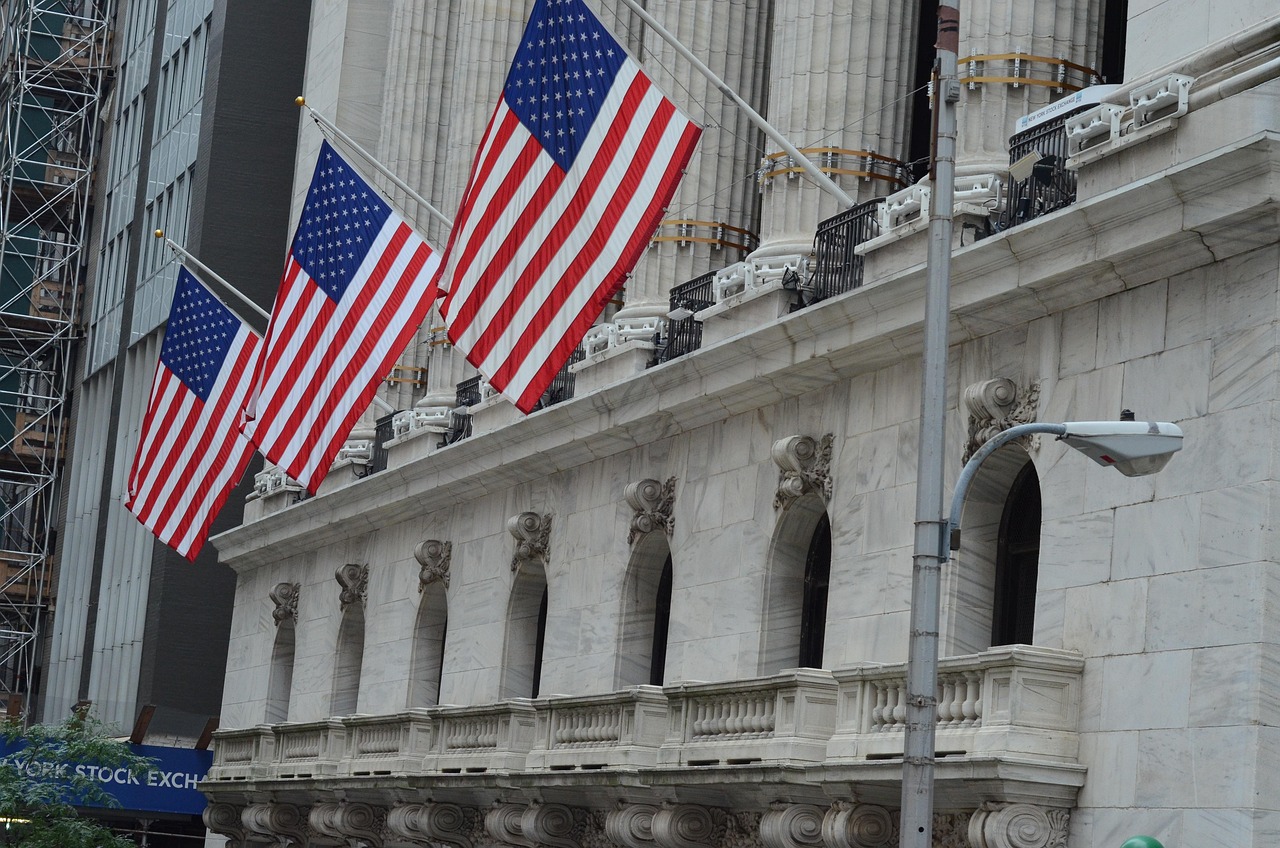
Stocks moved higher on Wednesday, with the Nasdaq Composite reaching a fresh intraday high while the S&P 500 and Dow Jones also traded in positive territory. The move came after U.S. President Donald Trump said the ceasefire deadline with Iran would be extended, citing deep divisions within Tehran’s leadership.
For investors, that combination matters. When geopolitical tension appears less likely to escalate immediately, markets often respond favorably because traders reassess short-term risk. In this case, the headline helped support a risk-on tone, and technology-heavy indexes such as the Nasdaq appeared to benefit most. The result was a session that underscored how quickly macro and political developments can feed into equity market sentiment.
Why the Market Reacted Positively
Markets do not only respond to earnings reports, inflation data, or Federal Reserve signals. They also react to geopolitical developments that may affect energy prices, corporate confidence, and broader investor appetite for risk assets. On Wednesday, the key catalyst was Trump’s decision to extend the ceasefire deadline with Iran. He linked that move to what he described as deep internal divisions within Tehran’s leadership.
From a market perspective, an extension of a ceasefire deadline can be interpreted as a sign that an immediate escalation is less likely. Even when uncertainty remains, investors often welcome any development that reduces the probability of a near-term shock. That is especially relevant when markets are already sensitive to headline risk.
This helps explain why the major U.S. averages moved higher together. The S&P 500 represents a broad view of large-cap U.S. equities, the Dow Jones tracks a narrower group of blue-chip companies, and the Nasdaq Composite is more heavily weighted toward growth and technology names. When the Nasdaq leads and pushes to a new intraday high, it often signals that investors are leaning back into growth-oriented assets rather than retreating into defense.
Related articles





What a New Nasdaq Intraday High Signals
A new intraday high does not guarantee that a market rally will continue, but it is still an important signal. It shows buyers were willing to push prices above prior peaks during the trading session. In practical terms, that reflects confidence, momentum, and a willingness to pay up for exposure to stocks.
For beginner investors, “intraday high” simply means the highest level reached during the trading day, not necessarily the closing level. That distinction matters. A strong intraday move can highlight bullish sentiment, but traders still watch where the index finishes the session to judge staying power.
Even so, the headline is notable because it places the Nasdaq at the center of the day’s market story. When the technology-heavy benchmark sets a new intraday record while broader averages also rise, the message is that optimism is not isolated. Instead, it suggests investors were broadly comfortable adding equity exposure after the geopolitical update.
Growth Stocks and Risk Appetite
Growth stocks tend to react strongly to shifts in investor confidence. When headline risks ease, even temporarily, traders may be more willing to buy shares tied to innovation, long-duration earnings expectations, and higher valuations. That helps explain why the Nasdaq often becomes the clearest expression of changing market mood.
This does not mean geopolitics is the only force moving stocks. But on days like Wednesday, it can become the dominant short-term driver. Investors looking at online broker dashboards or trading platforms often see the price action first and only later trace it back to the catalyst. In this case, the catalyst was the extension of the Iran ceasefire deadline.
Why Geopolitical Headlines Still Matter for Investors
Many long-term investors prefer to focus on fundamentals such as revenue growth, margins, EPS, and analyst forecasts. That is usually the right foundation. Still, geopolitical headlines can influence markets immediately because they alter expectations around stability, risk, and capital flows.
When a U.S. president announces a policy-related shift involving a major international flashpoint, investors pay attention for several reasons. First, it may affect energy markets and inflation expectations. Second, it can change perceptions of global stability. Third, it can influence whether investors favor equities, bonds, cash, or defensive sectors.
Wednesday’s market reaction shows how quickly sentiment can improve when traders interpret a headline as reducing near-term uncertainty. The rise across the S&P 500, Dow Jones, and Nasdaq suggests that investors viewed the announcement as supportive for risk assets, at least in the immediate term.
What Long-Term Investors Should Watch Next
For long-term investors, the key lesson is not to overreact to a single session. A strong day can confirm momentum, but it does not replace disciplined portfolio diversification. Investors in index funds, ETF investing strategies, or diversified stock portfolios should view days like this as reminders that markets are influenced by both fundamentals and headlines.
The more useful question is what comes next. Will easing geopolitical pressure continue to support equity markets, or will investors quickly shift back to other drivers such as earnings season, inflation outlook, or Fed interest rate expectations? A single market move rarely answers that on its own.
Still, the day’s action offers a clear snapshot of current sentiment: Wall Street welcomed the news, the major averages moved higher, and the Nasdaq Composite stood out by reaching a new intraday high. For anyone tracking the stock market today, that is the central takeaway.
The Bigger Takeaway for Stock Market Investors
The market’s response highlights a familiar pattern. Investors reward signs of reduced near-term instability, especially when those signs arrive in the middle of a favorable risk environment. Wednesday’s rally did not emerge in a vacuum, but the immediate trigger was clear enough: Trump extended the ceasefire deadline with Iran, and stocks moved higher as that development reached the market.
That matters for both active traders and long-term investors. Traders may focus on momentum and breakout behavior in the Nasdaq. Longer-term investors may simply note that geopolitical events can affect sentiment quickly, even when the underlying investment thesis for broad-market index exposure remains unchanged.
In other words, the session was not just about one headline or one index. It was a reminder that the stock market today remains deeply connected to policy signals, geopolitical risk, and investor psychology. And when uncertainty appears to ease, even for a moment, markets are often quick to respond.
FAQ
Why did the stock market move higher on Wednesday?
Wall Street’s major averages rose after President Donald Trump announced an extension to the ceasefire deadline with Iran, while citing deep divisions within Tehran’s leadership.
What does it mean that the Nasdaq reached a new intraday high?
It means the Nasdaq Composite traded at its highest level ever during the session, even if that does not automatically mean it closed at a record.
Why do geopolitical events affect the stock market?
They can change expectations around market risk, investor confidence, and broader economic stability, which often affects demand for stocks.
Why is the Nasdaq often more sensitive to market sentiment?
The Nasdaq includes many growth and technology-focused companies, which can react strongly when investors become more willing to take risk.
Disclaimer: This article is for informational purposes only and does not constitute financial advice. Always conduct your own research before making any investment decisions.