
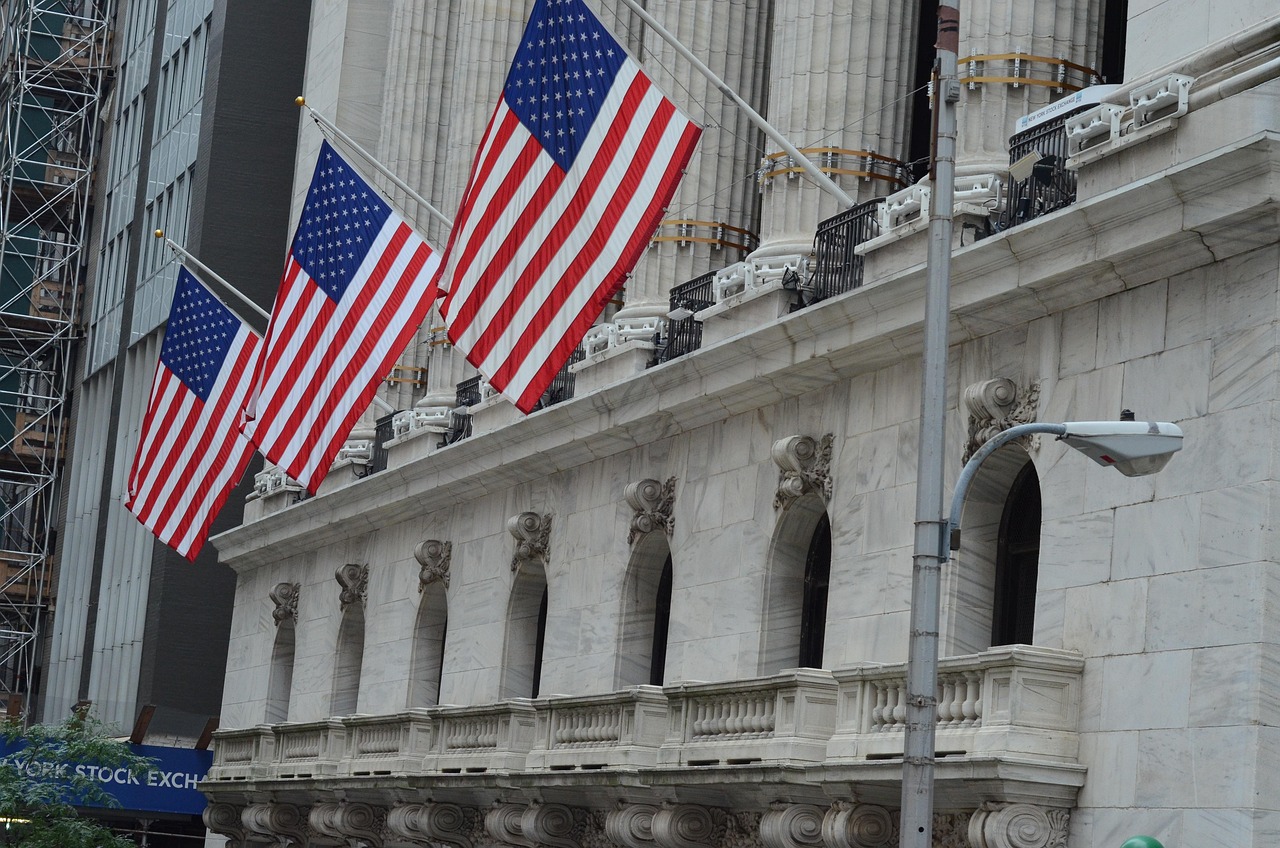
Wall Street weakened on Monday, April 13, as investors reassessed geopolitical risk after U.S.-Iran talks ended without a deal and Washington moved ahead with a blockade of Iranian ports. Reuters reported that the main U.S. indexes were mixed to lower as the failure of the talks and the threat of broader regional escalation pushed oil prices back above $100 a barrel and revived inflation worries.
The market move reflected a clear shift away from the relief rally that followed the earlier temporary ceasefire. Investors had briefly hoped diplomacy might stabilize the region and keep energy prices contained. Instead, the collapse of the talks and the start of the blockade brought the market back toward a more defensive stance.
Oil Above $100 Reignited the Inflation Trade
The biggest immediate catalyst for the equity pullback was the sharp rise in oil. Reuters reported that Brent jumped 6.1% to $100.96 a barrel and U.S. crude rose 5.9% to $102.26 as the U.S. military prepared to block ships leaving Iranian ports and Tehran threatened retaliation against Gulf neighbours’ ports.
That matters for stocks because higher oil prices quickly feed into inflation expectations, interest-rate assumptions and corporate margin concerns. When crude moves back above $100 on geopolitical supply fears, investors tend to reassess whether central banks can cut rates as easily as previously hoped. Reuters’ global markets coverage said exactly that dynamic was pressuring sentiment, with investors questioning the likelihood of Fed rate cuts this year.
The Blockade Changed the Market Tone
The blockade itself was central to the repricing. Reuters reported that the U.S. began blocking all ship movements to and from Iran, targeting about 2 million barrels per day of Iranian oil flows and sharply escalating the economic pressure on Tehran. The Kremlin warned that the move would be bad for markets, underlining how widely the action was being seen as a destabilizing event rather than a contained tactical step.
Related articles





Markets are especially sensitive because the Strait of Hormuz remains one of the world’s most critical energy chokepoints. Even if the blockade is directed at Iranian ports rather than a total closure of the waterway, traders appear to be pricing in the risk of wider disruption, retaliatory attacks or miscalculation at sea. That is an inference based on the Reuters reporting about oil, the blockade and the threats exchanged by both sides.
Stocks Faced Pressure From Both Geopolitics and Earnings
The weakness in equities was not only about oil. Reuters reported that Goldman Sachs beat profit expectations, but its shares still fell as trading revenue disappointed, dragging on other financial names including Morgan Stanley and JPMorgan. That added a company-specific layer of pressure on top of the broader geopolitical stress.
This combination matters because it removes one of the market’s usual cushions. In a calmer environment, strong earnings from major banks might have helped offset macro worries. On April 13, however, investors seemed more focused on the geopolitical shock and what it could mean for inflation and risk appetite than on early earnings beats. That is an inference based on Reuters’ wrap-up of the session.
Why the Reaction Was Negative for Risk Assets
The negative reaction in stocks makes sense when viewed through the broader market chain. Failed diplomacy led to a U.S. blockade. The blockade pushed oil above $100. Higher oil raised inflation concerns and reduced confidence in rate-cut hopes. That in turn pressured equities, especially sectors sensitive to rates, consumer demand and input costs.
Reuters’ European market coverage showed the same pattern outside the United States. European shares slipped, and oil-sensitive uncertainty weighed on major indexes as investors worried that the market was slipping back toward pre-ceasefire conditions.
Markets Are No Longer Pricing a Clean De-Escalation Scenario
What changed most on Monday was not just the news flow but the underlying narrative. After the earlier ceasefire, markets had started to believe that the worst-case energy shock might be fading. Reuters’ reporting on April 13 showed that assumption breaking down. Oil surged, the dollar softened, equities lost momentum and volatility returned as traders concluded that the region was moving back toward confrontation rather than durable de-escalation.
That makes this more than a one-day headline move. It suggests investors are once again trading the Middle East through an inflation-and-energy lens rather than through a temporary peace lens. If that continues, the impact could spread beyond energy stocks into technology, industrials, airlines and consumer sectors. This is an inference based on the market moves Reuters described.
What Investors Will Watch Next
The next question for markets is whether the blockade remains limited or triggers broader retaliation. Reuters reported that Tehran threatened a harsh response and that Washington warned Iranian fast-attack craft approaching the blockade would be destroyed. That kind of language raises the risk of further escalation, which would likely keep oil volatile and equities uneasy.
Investors will also watch whether upcoming earnings can regain control of the market narrative. For now, geopolitics appear to be overwhelming the usual earnings-season focus. But if crude stabilizes and the blockade does not broaden, stock-specific fundamentals could begin to matter more again. This is an inference based on the current balance between macro and corporate drivers.
Conclusion
Wall Street’s dip on April 13 was driven by a renewed geopolitical shock after U.S.-Iran talks failed and Washington moved ahead with a blockade of Iranian ports. Oil’s jump back above $100 revived inflation fears, pressured hopes for easier monetary policy and pulled investors away from risk assets. The market reaction shows that the brief ceasefire optimism has given way to a much more fragile and confrontational outlook. The key issue now is whether this remains a contained escalation or becomes a deeper energy and market shock.
FAQ
Why did Wall Street fall on April 13, 2026?
Stocks weakened because U.S.-Iran talks failed, the U.S. began blockading Iranian ports and oil prices rose back above $100, reviving inflation concerns.
Why does the blockade matter for markets?
Reuters reported that the blockade targets Iranian port traffic and threatens roughly 2 million barrels per day of Iranian oil flows, increasing fears of wider supply disruption and regional escalation.
How high did oil prices go?
Reuters reported that Brent rose to $100.96 and WTI to $102.26 during the move.
Did earnings play a role in the market decline?
Yes. Reuters said Goldman Sachs beat profit expectations, but disappointing trading revenue weighed on its shares and added pressure to financial stocks.
What is the main market risk now?
The biggest risk is that the blockade leads to retaliation or broader disruption in and around the Strait of Hormuz, keeping oil high and risk appetite weak.
Disclaimer
This article is for informational and journalistic purposes only and does not constitute investment advice, financial advice or a recommendation to buy or sell any security. Stock and commodity markets can move sharply in response to geopolitical events, oil-price swings, earnings results and changes in inflation expectations.