
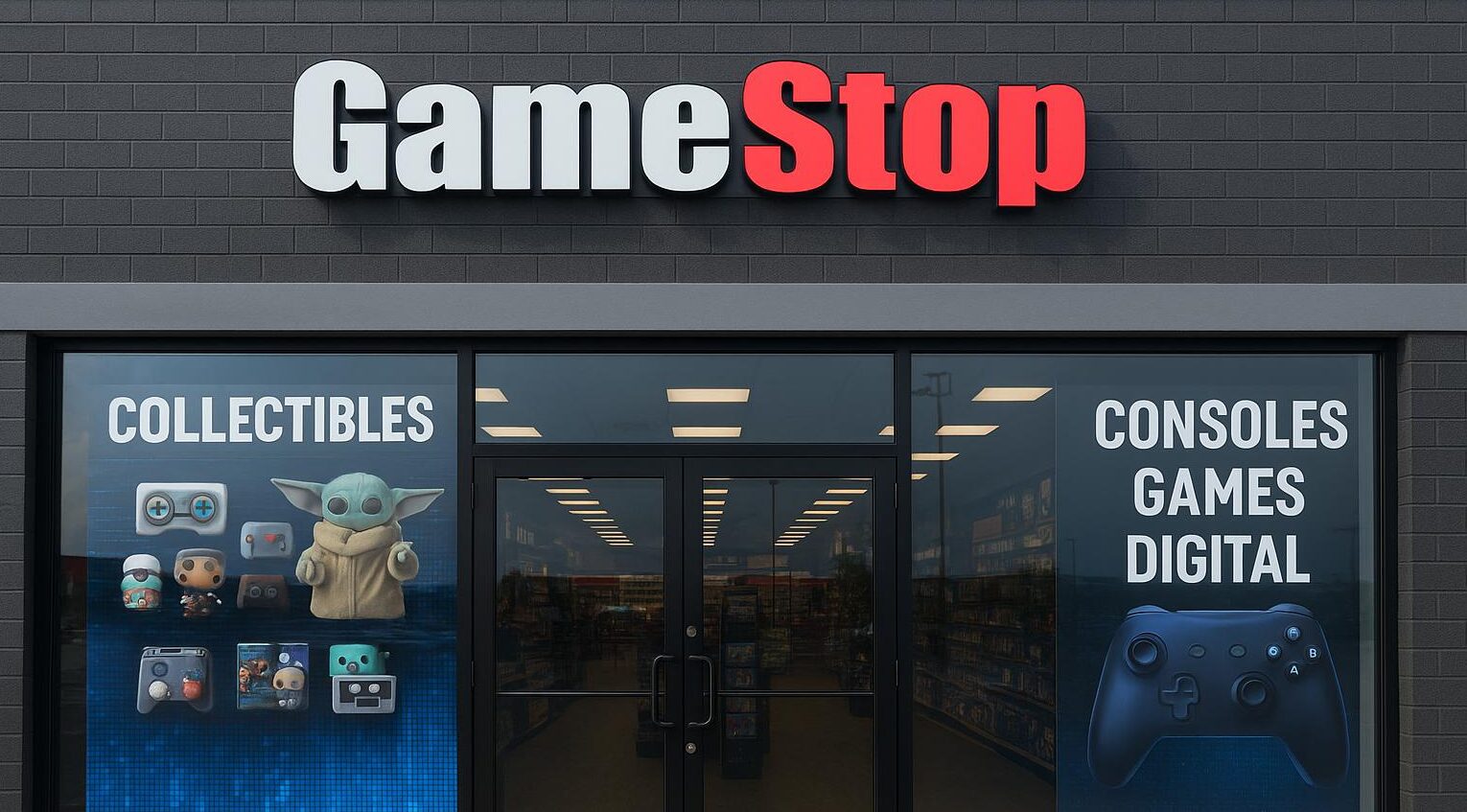
GameStop’s shares surged as new chatter around potential merger-and-acquisition moves reignited interest from momentum traders and retail investors alike. While headlines can spark sharp intraday moves, the deeper question is whether a credible deal path—backed by disciplined capital allocation—can unlock durable value for GameStop under the leadership of chairman Ryan Cohen.
Why GME Is Moving Now
- Narrative catalyst: In meme-adjacent equities, story often precedes numbers. Fresh talk of strategic transactions can pull in speculative flows and force quick repositioning among shorts.
- Positioning + liquidity: High retail participation and options activity can amplify initial moves into outsized swings—both up and down.
- Capital-allocation optionality: Investors read M&A hints as a signal that management may pivot the portfolio toward higher-margin categories or digital adjacencies.
What Potential M&A Could Look Like
- Bolt-ons vs. bold bets: Smaller, tuck-in acquisitions could extend capabilities in e-commerce, logistics, collectibles, or digital communities; larger, transformative deals would demand a crystal-clear strategic rationale to avoid value dilution.
- Deal currency: Cash, debt, or equity? Each path affects dilution, leverage, and flexibility. Equity-funded deals risk near-term pressure if investors question valuation or timing.
- Integration playbook: Synergies must be operationally real—from procurement and distribution to merchandising and tech stack consolidation. Without disciplined execution, promised efficiencies can evaporate.
Fundamentals Still Matter
Even in headline-driven spikes, longer-term value rests on:
- Unit economics: Traffic trends, gross margin mix (owned brands vs. third-party), and inventory turns.
- Cost discipline: SG&A leverage, store optimization, and automation to protect operating margin.
- Category health: New-release cycles, attach rates for accessories, and growth in collectibles or adjacent categories.
Technical & Sentiment Context (High Level)
- Volatility regime: GME’s historical playbook features wide intraday ranges and quick reversals; liquidity thins fast outside peak hours.
- Options dynamics: Elevated implied volatility can pull market-makers into hedging flows that accentuate direction—until the narrative resets.
What to Watch Next
- Company communication: Any 8-K, press release, or conference commentary that adds specifics—targets, financing, timing—will be stock-moving.
- Capital returns vs. deals: How leadership balances buybacks, cash reserves, and potential acquisitions will telegraph confidence in intrinsic value.
- Operating updates: Signals on store productivity, e-commerce fulfillment, and category mix can validate (or challenge) the M&A narrative.
- Competitive landscape: Shifts in pricing, exclusives, or loyalty programs at rival retailers and platforms can change the payoff of any deal strategy.
Scenario Map From Here
- Confirmation + details (bullish): Clear target logic, clean financing, and credible synergy math; shares can extend gains if investors view terms as shareholder-friendly.
- Prolonged ambiguity (choppy): Ongoing chatter without filings keeps volatility high but direction uncertain; whipsaws are common.
- Walk-back / no deal (bearish): If speculation fades, momentum can unwind quickly as time-value in options decays and positions reset.
Risk Checklist
- Headline risk: Rumor-driven spikes can reverse abruptly on silence or contradictory news.
- Execution risk: Culture fit, systems integration, and supply-chain complexity can derail synergy capture.
- Financing risk: Equity issuance or heavier leverage can reprice the equity story if returns don’t show up quickly.
- Regulatory & timing: HSR reviews and closing timelines can push out the payoff, sapping momentum.
Investor Playbook (Education, not advice)
- Sizing & risk controls: In volatile tapes, smaller position sizes and predefined stop ranges help manage gap risk.
- Time horizon: Traders chase catalysts; investors weigh durable cash-flow potential post-deal. Keep your time frame explicit.
- Thesis checkpoints: Set objective markers—disclosure on targets/financing, operating KPIs, and synergy milestones—to avoid drifting with headlines.
Conclusion
M&A speculation has returned GameStop to the spotlight, but durable value will depend on the quality of any transaction and the discipline of its execution. Until management provides specifics, expect elevated volatility—and a market that reacts more to concrete filings than to rumor cycles.
FAQ
Why did GameStop stock jump?
Fresh speculation about potential M&A action drew speculative buyers and momentum flows into the name.
Is there a confirmed deal?
Not at this time. Investors are reacting to possibility, not finalized terms.
Related articles





How could M&A change the story?
A well-structured transaction could shift the business mix toward higher-margin or faster-growing categories—if integration and execution deliver.
What are the biggest risks?
Headline reversals, execution misfires, and financing choices that dilute current holders or constrain flexibility.
What should investors watch next?
Official company communication, clarity on financing and targets, and any updates on operating trends that support the strategic case.
Disclaimer
This article is for informational purposes only and does not constitute investment advice or a recommendation to buy or sell any security. It does not consider your objectives, financial situation, or needs. Investing involves risk, including the possible loss of principal. Consider doing your own research and consulting a licensed financial professional before making any investment decision.